LKprototype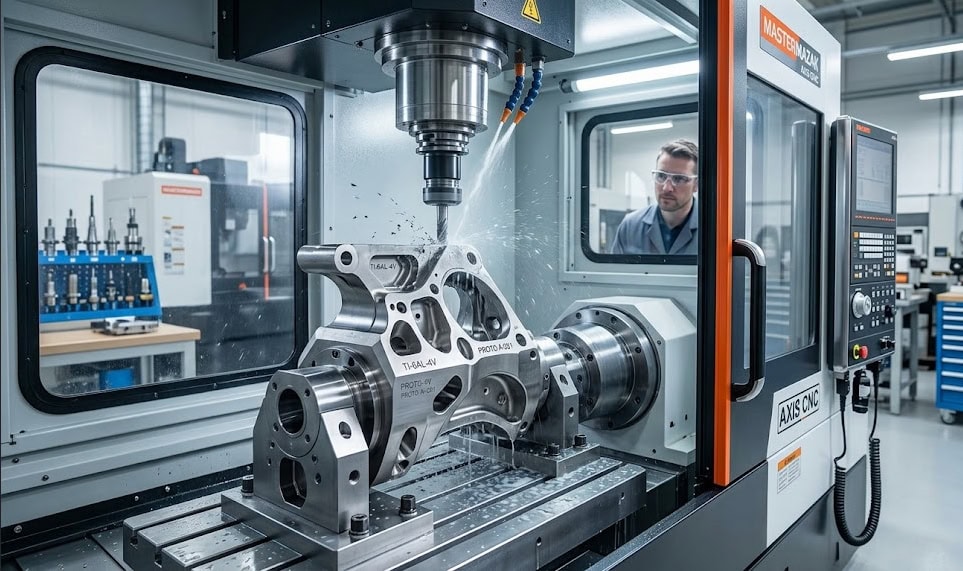
You use aerospace prototype machining to make very exact aircraft parts that must follow strict rules. CNC machining lets you get accuracy and do the same thing over and over, better than old ways. When you use cnc solutions, you can make aircraft parts with very tiny differences and exact sizes, even as small as a thousandth of an inch. This kind of careful machining helps meet the high needs in aerospace.
CNC machining lets you make the same parts in both small and big groups.
You get fast results because cnc does hard jobs by itself and cuts down on doing things again.
Digital programming and machine control help stop people from making mistakes during machining.
Precision aircraft machining makes sure your parts work well in tough aerospace places.
Key Takeaways
CNC machining is very exact. It lets people make aircraft parts with very small differences, as little as ±0.0005 inches. This helps keep planes safe and working well.
CNC technology helps make new parts fast. It lets people test and change designs quickly. This keeps projects moving forward.
CNC machining uses strong materials like titanium and aluminum. These materials make parts that are light but also strong. This helps planes work better and use less energy.
5-axis CNC machining can make hard shapes in fewer steps. This makes the parts more exact and lowers mistakes during making.
Picking a good CNC machining company with aerospace skills is important. It makes sure the parts are high quality and follow all the rules.
WHAT IS AEROSPACE PROTOTYPE MACHINING
Aerospace prototype machining lets you make test aircraft parts before making lots of them. This process helps you see if your designs work and follow strict aerospace rules. It is not the same as making many parts at once. Here, you care more about being fast and able to change things. The table below shows how prototype machining is different from standard production:
Aspect | Prototype Machining | Standard Production |
|---|---|---|
Purpose | Rapid validation of designs | Mass production of parts |
Focus | Speed and flexibility | Repeatability and cost reduction |
Material Usage | Production-grade materials for prototypes | Materials for large-scale output |
Process | Fast turnaround for testing | Established processes for consistency |
Compliance | Initial compliance checks | Full certification compliance |
THE ROLE OF CNC MACHINING IN AEROSPACE DEVELOPMENT
CNC machining helps you shape and test aircraft parts fast and with great accuracy. You can change designs quickly and make new parts in the same day. CNC saves time and money by using less material and making setup easier. You can use CNC to work with strong materials like titanium and carbon fiber. These materials are used a lot in aerospace. Here are the main things CNC machining does in aerospace:
CNC machining gives you very exact parts, which helps stop problems in aircraft.
You can change CNC machines fast to make different parts.
CNC machining lets you test new ideas and change designs quickly.
You can use CNC for hard materials needed in light aircraft parts.
WHY AEROSPACE PROTOTYPES REQUIRE EXTREME PRECISION
You need to be very exact when making aerospace prototypes. Many aircraft parts need to be within ±0.0005 inches. Some parts need to be even more exact. Other parts can be between ±0.001 and ±0.005 inches, depending on what they do. This accuracy is much higher than in most other jobs. You need this so aircraft parts fit and work safely. The aerospace industry makes these rules to keep people safe and make sure aircraft work well.
Tip: Always check your machining steps to make sure you reach the right precision for aerospace prototypes.
CNC MACHINING PROCESSES FOR AEROSPACE PROTOTYPES
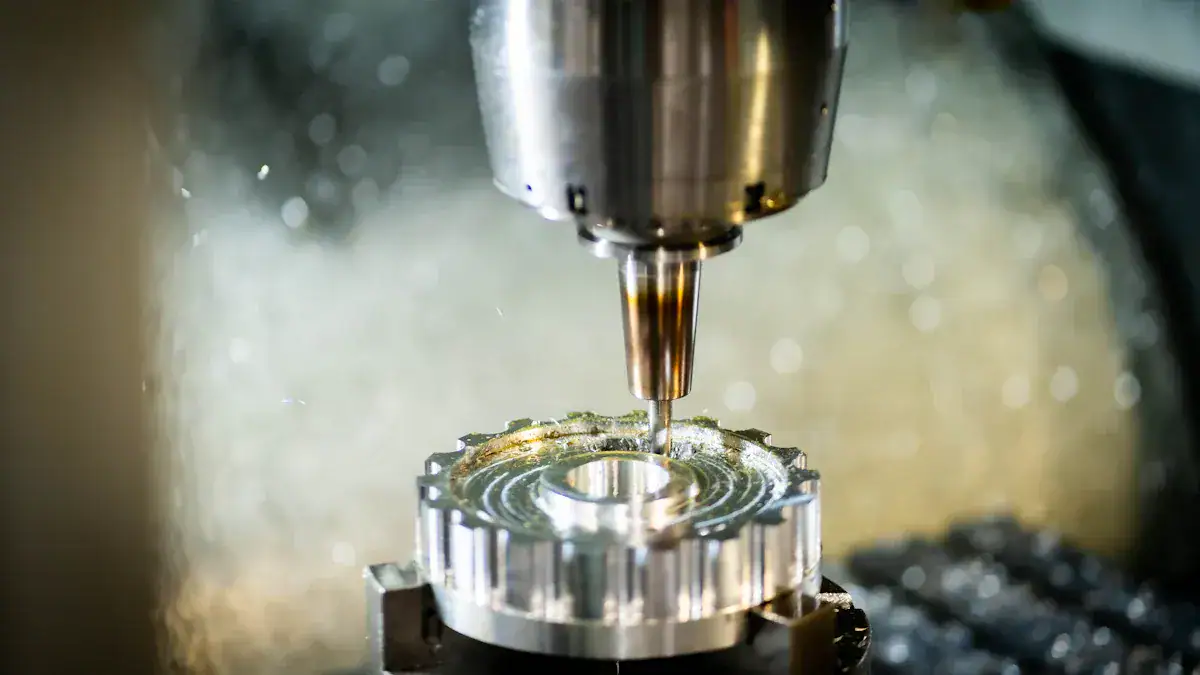
3-AXIS AND 5-AXIS CNC MACHINING
CNC machining helps shape aerospace prototypes with great accuracy. 3-axis machines move in three ways and are good for simple parts. If you need to make tricky shapes, you use 5-axis cnc machining. This type adds two more ways to move. You can reach more sides without moving the part. Many aircraft parts, like turbine blades and impellers, need close measurements and special shapes. 5-axis cnc machining lets you make these parts faster and with smoother surfaces.
5-axis cnc machining helps you make hard shapes.
You can work on many sides at once.
You save time and make better parts.
Tip: Pick 5-axis cnc machining for prototypes that need special shapes and high accuracy.
CNC TURNING FOR COMPLEX AEROSPACE COMPONENTS
CNC turning helps you make round and tube-shaped aircraft parts. You put the material in the machine, and it spins while a tool cuts it. This gives you smooth surfaces and keeps the part even all around. You often use cnc turning for shafts, threaded parts, fasteners, pins, and bushings. These parts must fit just right and work in tough places. CNC turning is important in making cnc aircraft parts because it makes strong and steady parts for aerospace.
Shafts
Threaded parts
Fasteners
Pins
Bushings
AUTOMATION AND ADVANCED MANUFACTURING TECHNOLOGIES
Automation in cnc machining makes your aerospace prototypes better and more alike. Machines follow computer steps, so you get parts with close measurements every time. You can make a few or many parts without losing accuracy. Automation means people make fewer mistakes, so there is less waste. CNC technology makes the work go faster. After you set up the program, the machine works quickly and does not stop much. This helps you meet strict aerospace rules and saves time.
Note: Automated cnc machining helps you save time and makes sure your parts are safe and work well.
AEROSPACE MACHINING REQUIREMENTS AND INDUSTRY STANDARDS
TIGHT TOLERANCES AND QUALITY CONTROL
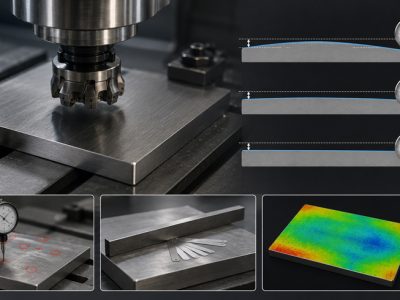
Aerospace machining has very strict rules. You need tight tolerances so every part fits and works safely. CNC machining helps you get these exact sizes. The table below shows the tolerance ranges for different parts:
Component Type | Tolerance Range |
|---|---|
Structural Parts | ±0.0005 in (±12.7 µm) |
Engine Components | ±0.0002 in (±5 µm) |
Fuel System & Hydraulics | ±0.0001 in (±2.5 µm) |
Surface Finish | 2–8 µm Ra |
CNC helps keep these tolerances the same every time. Quality checks help you find mistakes early. You must write down every step in aerospace manufacturing. You track what materials you use, how they fight rust, and how strong they are. You also keep records like FAI and SPC to show your process works.
AS9100 CERTIFICATION AND MATERIAL TRACEABILITY
You need AS9100 certification for aerospace work. This certification sets high rules for cnc machining. It makes sure your parts are safe and work well. You must track every material used in cnc. If something goes wrong, you can find out where it started. You keep full traceability for each part. You use special codes to follow parts from start to finish. This helps you follow aerospace rules and keeps your products safe.
AS9100 certification gives strict quality rules.
You track every part and material.
You keep records for safety and trust.
Tip: Always check your tracking system to make sure you can follow every part in aerospace machining.
MEETING AEROSPACE COMPLIANCE REQUIREMENTS
You must follow many rules in the aerospace industry. You use cnc to meet these standards. The table below shows how you follow these rules:
Compliance Requirement | Enforcement Method |
|---|---|
AS9100 Standards | Set tighter goals for key features to keep parts the same. |
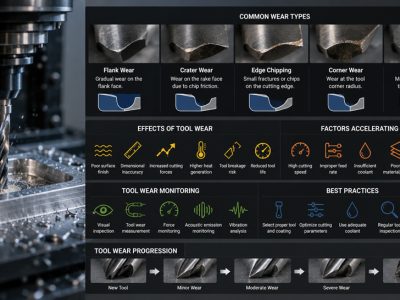
Tool-life tracking rules | Watch tools for wear to stop damage. |
Raw Material Inbound Inspection | Check all materials before using them. |
Non-Destructive Testing | Test parts for strength without breaking them. |
Full Component Traceability Protocols | Give each part a special code for tracking. |
Material Test Reports (MTRs) | Check chemical and mechanical properties before you start machining. |
You use cnc machining to follow these rules. You check tools, materials, and finished parts. You keep records to show you meet aerospace tolerances and quality rules. You make sure every step follows the rules in aerospace manufacturing.
BEST MATERIALS FOR AEROSPACE CNC MACHINING
Picking the right materials is very important. You want parts that are strong and light. These materials must handle tough conditions. The table below shows top materials used in aerospace and their features:
Material | Properties |
|---|---|
Stainless Steel 316 | Resists rust well, good for strong and marine parts. |
Carbon Steel 1045 | Strong, tough, easy to cut and weld, good for small parts. |
Aluminum 6061 | Strong, resists rust, used in many aircraft parts. |
Aluminum 7075 | Very strong and light, one of the best aluminum alloys. |
Titanium | Very strong, safe for people, used in tough aerospace jobs. |
TITANIUM FOR HIGH-STRENGTH AIRCRAFT COMPONENTS
Titanium is used when you need strong aircraft parts. It is strong but not heavy. Titanium does not rust easily. It can handle high heat and stress. You see titanium in engines where it gets very hot. Titanium alloys help make parts lighter and safe.
Titanium makes parts strong and light.
It does not rust and can take high heat.
You use titanium for important aircraft parts.
Tip: Pick titanium for cnc aircraft parts when you need strength and long-lasting parts.
ALUMINUM FOR LIGHTWEIGHT AEROSPACE STRUCTURES
Aluminum is a common choice for making aircraft parts. Aluminum alloys like 6061 and 7075 make parts lighter. Aluminum helps lower the weight of planes. It is strong and light at the same time. You can cut aluminum easily and get smooth surfaces. Aluminum alloys cost less and help planes work better.
Aluminum alloys make parts light and strong.
You use aluminum for main parts in aircraft.
Aluminum helps save fuel and makes planes more efficient.
Note: Aluminum is a good pick for cnc machining if you want light parts.
HIGH-PERFORMANCE ALLOYS AND ENGINEERING PLASTICS
You also use special alloys and plastics in cnc machining. These include titanium alloys, aluminum alloys, and alloys for high heat. They are strong, light, and resist rust. Engineering plastics and ceramics are good for keeping parts insulated and light. Composite materials like carbon fiber and glass fiber are very strong and last long.
Special alloys keep parts strong and light.
Engineering plastics help with insulation and make parts lighter.
Composites make aircraft parts tough and work well.
Callout: Use advanced materials in cnc machining to meet strict aerospace rules.
PRECISION BENEFITS OF CNC MACHINING FOR AEROSPACE PARTS
ACCURACY AND REPEATABILITY IN CRITICAL COMPONENTS
You must be very exact when making aerospace parts. CNC machining helps you get this accuracy every time. Each part will match the design, even if you make many. This repeatable accuracy is important for aircraft safety. It keeps the airframe strong and safe. You get the same results from first test parts to full production. CNC machines use computers to control every cut and hole. This makes sure your parts fit together and work right. You can trust cnc aircraft parts manufacturing to meet tight tolerances. This is important for safety and quality in aerospace machining.
LIGHTWEIGHT AND DURABLE PART MANUFACTURING
CNC machining helps you make parts that are light and strong. You can use materials like titanium and aluminum alloys. These materials keep your parts tough but not heavy. CNC machines can shape tricky designs that lower weight but keep strength. You can make parts with thin walls or special shapes. These would be hard to make by hand. This makes precision aircraft machining a great choice for aerospace. You can also use many materials, so your parts last longer and work better in flight.
Very exact parts for good performance
Can make tricky shapes for lighter, stronger parts
Works with advanced materials for strong and light parts
Tip: Use cnc machining to make parts that help your aircraft save fuel and stay strong in hard conditions.
REDUCING ERRORS AND IMPROVING PERFORMANCE
CNC machining helps lower mistakes when making parts. You use computer programs to control each step. This means people make fewer errors and parts stay the same. You also get high accuracy, so your parts work better and last longer. Quality checks, like CMM inspection and laser scanning, help you find problems early. This keeps your aircraft safe and helps it work well.
Benefit | Description |
|---|---|
Minimized Part Errors | Computer controls lower mistakes and keep parts right. |
High Accuracy and Precision | CNC machines cut and shape with exact sizes. |
Consistency | Every part matches the design, batch after batch. |
You can trust cnc aircraft parts manufacturing to give you the quality and performance you need for aerospace.
APPLICATIONS OF AEROSPACE PROTOTYPE MACHINING
Aerospace prototype machining helps you make and test new parts. You use cnc machining for engines, aircraft bodies, and satellites. This lets you check designs before making lots of them. You can see how parts work and change them fast. The table below shows where cnc machining is used in aerospace:
Application Type | Description |
|---|---|
Structural Components | Cnc machining makes strong parts for aerospace vehicles. |
Engine Parts | Engine parts need cnc machining to work right every time. |
Precision Assemblies | You use cnc machining to make assemblies with exact sizes. |
Rapid prototyping helps you turn computer designs into real parts quickly. You can test ideas and see if they meet aerospace rules.
ENGINE AND TURBINE COMPONENTS
You use aerospace prototype machining for engine and turbine parts. Cnc machining shapes turbine blades for jet engines. These blades need cooling channels and smooth surfaces. You also make parts that handle heat and pressure. Cnc machining gives you the accuracy for these hard jobs. You can build and test engine parts before making many.
Turbine blades with special shapes
Engine parts that handle very high heat
Parts for high-pressure systems
STRUCTURAL AND INTERIOR AIRCRAFT PARTS
Cnc machining helps you make strong and inside aircraft parts. You need very exact sizes for wing ribs and bulkheads. Five-axis cnc machining makes tricky shapes and strong supports. You can test and change designs fast with cnc machining. This helps you build safer and lighter planes.
Strong parts with exact sizes
Inside parts for comfort and safety
Fast changes and testing for designs
SATELLITE, UAV, AND DEFENSE PROTOTYPE COMPONENTS
You use aerospace prototype machining for satellites, UAVs, and defense. Cnc machining makes small and big parts with high accuracy. You can build test parts for space or unmanned aircraft. Cnc machining helps you follow strict rules for defense parts. You can test and fix designs quickly.
Satellite parts for space trips
UAV parts for flying and control
Defense parts that need exact sizes
Note: Cnc machining lets you build and test aerospace parts for many uses.
5-AXIS AEROSPACE MACHINING FOR COMPLEX GEOMETRIES
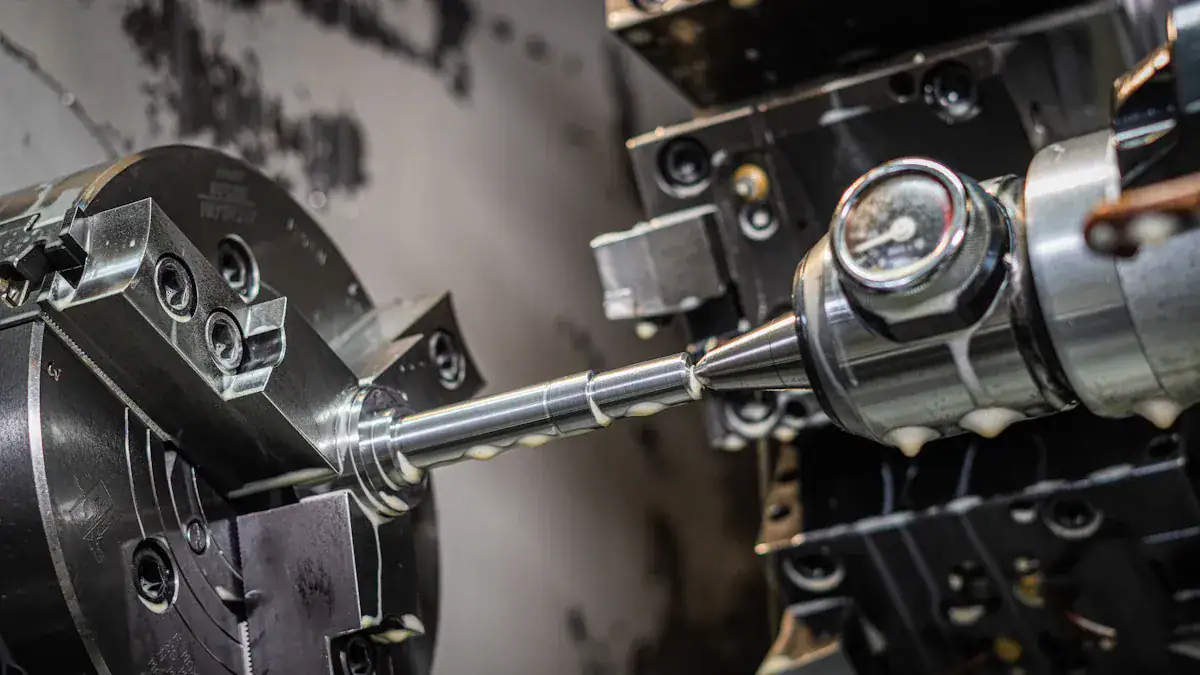
MACHINING COMPLEX AIRCRAFT PART DESIGNS
You face many challenges when you make aircraft parts with complex shapes. 5-axis cnc machining helps you solve these problems. You can move the cutting tool in five directions. This lets you reach many angles and curves on the part. You can create special geometries that other machines cannot handle. You get smooth surfaces because the tool follows the shape of the material. This process reduces marks and steps on the finished part.
You can make tricky parts with many curves.
The tool moves around the part for better accuracy.
You get smooth finishes for better performance.
Tip: Use 5-axis cnc machining when you need to make aircraft parts with hard shapes and close measurements.
REDUCING SETUPS AND IMPROVING EFFICIENCY
You want to save time and keep your work simple. 5-axis cnc machining lets you work on many sides of a part in one setup. You do not need to move the part again and again. This means you spend less time setting up and more time making parts. You also lower the chance of mistakes. When you use one setup, you keep the accuracy high and get repeatable accuracy every time.
You machine from many angles without moving the part.
You finish parts faster and with better efficiency.
You keep the size and shape right for every part.
Note: Fewer setups mean you get better results and save time in aerospace projects.
ADVANTAGES OF MULTI-AXIS MACHINING IN AEROSPACE
You get many benefits when you use multi-axis cnc machining for aerospace. You can make complex parts as single pieces. This lowers the need for assembly and makes the parts stronger. You also cut down on errors because the tool can reach all sides. You get better accuracy and surface quality. You can finish more work in less time, which boosts your efficiency.
You make strong parts with fewer steps.
You get high accuracy and smooth surfaces.
You improve efficiency and lower costs.
Callout: Multi-axis cnc machining helps you meet the high standards in aerospace and gives you better performance for your aircraft.
RAPID AEROSPACE PROTOTYPING AND LOW-VOLUME PRODUCTION
FASTER PRODUCT DEVELOPMENT CYCLES
You want to make new aircraft parts fast. Rapid prototyping with cnc machining helps you do this. You can turn your ideas into real parts in just a few days. This speed lets you test and fix your designs quickly. When you use cnc, you can change things and see results right away. You do not have to wait a long time for parts. This process helps you keep up with changes in aerospace. You can launch new products faster and stay ahead of others.
Tip: Holding a finished part helps you find problems and get ready for tests sooner.
FLEXIBILITY FOR DESIGN ITERATIONS
You need to be flexible when you design aircraft parts. Cnc machining gives you this freedom. You can try new shapes without spending a lot of money. If you find a problem, you can change your design and make a new part fast. This makes your work more creative and less risky. You can test different materials and see which one works best. Cnc lets you try tricky shapes that are hard to make by hand. You can also share prototypes with your team to get feedback and make your design better.
Faster development time
Save money by finding mistakes early
Try new shapes and ideas
Test materials without spending much
Lower risk with safe testing
Better teamwork with real parts
Faster checks and decisions
More new ideas with less money risk
BRIDGE PRODUCTION FOR AEROSPACE PROGRAMS
You may not need thousands of parts right away. Low-volume production with cnc machining fills the gap between making test parts and making lots of them. This bridge production helps you get good aircraft parts for testing or first deliveries. You can use the same cnc process for both test parts and small batches. This keeps your quality and speed high. You do not need to buy expensive tools or wait for big factories to start. Bridge production gives you the parts you need, when you need them, and helps you move smoothly from design to full production.
Note: Bridge production with cnc machining helps your aerospace program at every step, from first idea to final delivery.
CHALLENGES IN AEROSPACE CNC MACHINING
MACHINING HIGH-TEMPERATURE ALLOYS
Working with high-temperature alloys in aerospace cnc machining is tough. These materials, like titanium and Inconel, are strong and resist heat. They are hard to cut and need special tools. You must have skills to shape them right. Machining titanium alloys creates a lot of heat and wears out tools. The metal gets harder as you work on it. Inconel is even harder to machine. It makes tools wear out quickly and chips are hard to remove. You must watch the shape and how the material acts while machining. This job is harder than regular cnc machining. You also need to follow strict rules and handle high costs and time limits.
More technical and operational challenges
Watch shape accuracy and how materials act
Follow strict certification rules
Handle high costs and time limits
MAINTAINING ULTRA-TIGHT TOLERANCES
You must keep very tight tolerances in aerospace cnc machining. Every part must match the design with almost no mistakes. You use computer-controlled machines like multi-axis cnc milling and cnc turning. These machines help you get high precision and accuracy. You need special tools for each material. Aluminum is easy to cut but grows bigger with heat. You must control the temperature when cutting aluminum. Stainless steel needs careful cutting to stay accurate. Titanium can bend if you do not handle it right. Superalloys need exact machining to keep their good properties. You check your parts often with special tools to make sure they meet tight tolerances.
Material | Key Characteristics | Machining Considerations |
|---|---|---|
Aluminum | Cuts easily but grows with heat | Control temperature when machining |
Stainless Steel | Needs careful cutting to stay accurate | Use special tools and cutting settings |
Titanium | Needs special handling to stop bending | Keep cutting speeds and feed rates steady |
Superalloys | Needs exact machining to keep properties | Use special tools and methods |
Tip: Always use the right tools and check your parts often to keep accuracy and performance high.
CONTROLLING COSTS AND LEAD TIMES
You need to keep costs and lead times low in aerospace cnc machining. High-temperature alloys and tight tolerances make the work expensive and slow. You must plan your work to save time and money. Automation and advanced machines help you make parts faster. You pick the best tools and ways for each job. Careful planning helps you avoid mistakes and delays. You must balance quality, speed, and cost to keep your aerospace projects moving.
Use automation to lower mistakes and save time
Pick the right tools for each material
Plan each step to avoid delays and extra costs
Note: Good planning and the right machines help you finish on time and keep costs low in aerospace cnc machining.
HOW TO CHOOSE AN AEROSPACE CNC MACHINING SUPPLIER
Picking the right supplier for aerospace cnc machining is very important. You want a partner who knows what the aerospace industry needs. They must give you good parts on time. Use the table below to compare different suppliers:
Criteria | Description |
|---|---|
Technical Capabilities | Can handle complex shapes, tight tolerances, and tough materials. |
Aerospace Material Experience | Knows how to work with titanium alloys and engineering plastics. |
Quality Systems & Certifications | Has AS9100 or ISO 9001 certification for quality management. |
Engineering Support | Offers help with design for manufacturing and machining tips. |
Production Flexibility | Supports both rapid prototyping and larger production runs. |
Communication & Quotation Speed | Answers questions quickly and gives fast quotes. |
Lead Time & Supply Reliability | Delivers parts on time and keeps the supply chain strong. |
TECHNICAL CAPABILITIES AND MACHINING EXPERIENCE
You should see if the supplier has the right machines and skills. Look for experience with 5-axis machines and advanced tools. Ask if they have made parts with tricky shapes or very close sizes. Suppliers with aerospace experience can work with titanium, aluminum, and engineering plastics. This helps you get the best parts for your project.
Tip: Ask for samples of past aerospace work to check their skills.
QUALITY SYSTEMS AND INSPECTION EQUIPMENT
You need a supplier with strong quality systems. Check if they have AS9100 or ISO 9001 certification. These show the supplier follows strict rules for aerospace. Good suppliers use inspection tools like CMMs and laser scanners. These tools help them check every part for accuracy. Quality checks at each step make sure your parts meet aerospace standards.
PROTOTYPE TURNAROUND AND PRODUCTION CAPACITY
You want fast delivery for prototypes and enough space for big orders. Ask how soon the supplier can send your first parts. Check if they can make both small and large batches. A good supplier uses automation to work faster and keep wait times short. This helps you go from design to production without delays.
Note: Fast and flexible suppliers help you keep your aerospace project moving forward.
FAQ ABOUT AEROSPACE PROTOTYPE MACHINING
WHAT MATERIALS ARE COMMONLY USED IN AEROSPACE CNC MACHINING
Aerospace CNC machining uses special materials for parts. Aluminum and titanium are picked because they are strong and not heavy. Stainless steel is good for parts that must not rust. Sometimes, you need high-performance alloys or engineering plastics for special jobs. These materials help make parts that last longer and work better in the air.
Tip: Pick materials that fit the strength and weight your aircraft part needs.
WHY IS 5-AXIS MACHINING IMPORTANT FOR AEROSPACE PARTS
5-axis machining is needed for making hard aerospace parts. This process lets you cut parts from many sides. You can finish tough shapes with fewer steps. 5-axis machining gives you smooth surfaces and close sizes. You save time and make fewer mistakes with this advanced way.
WHAT TOLERANCES ARE REQUIRED FOR AEROSPACE COMPONENTS
Aerospace machining needs very tight tolerances for safety. Many parts must be made with small limits, like ±0.0005 inches. These close sizes help keep parts safe and working right. Always check the design to know what tolerance each part needs.
Part Type | Typical Tolerance |
|---|---|
Engine Parts | ±0.0002 in |
Structural Parts | ±0.0005 in |
Interior Parts | ±0.001 in |
HOW DOES CNC MACHINING SUPPORT RAPID AEROSPACE PROTOTYPING
CNC machining lets you make test parts fast. You can turn a design into a real part in just days. If you want to change something, you can update the program and make a new part quickly. This helps you test ideas and fix designs without waiting a long time.
WHAT CERTIFICATIONS SHOULD AN AEROSPACE MACHINING COMPANY HAVE
Look for companies with AS9100 certification for aerospace work. ISO 9001 is also good for quality control. These certifications mean the company checks every step and keeps good records. You can trust them to make safe and strong parts.
Note: Always ask to see proof of certification before picking a machining company.
You use CNC technology to make very good aircraft parts. Precision aircraft machining helps you get the right size and shape. This keeps flights safe and parts strong. You follow strict aerospace rules with CNC solutions. CNC also lets you try new ideas for aircraft. If you want better results, look at CNC options or ask experts for help. This can help you pick the best way for your next project.