LKprototype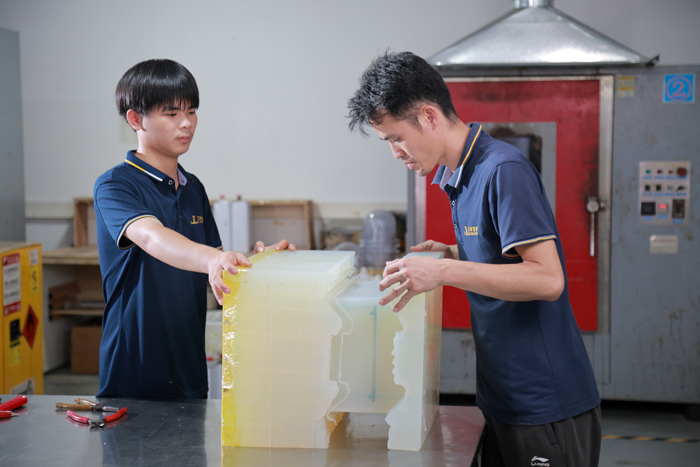
You need real part testing without making special tools.
Rapid prototype machining makes strong parts from CAD files.
Good suppliers finish CNC prototype orders very fast.
They take only 1 to 3 days.
Standard CNC tolerances hit ±0.005 in.
This works for plastics and metal materials.
Precision machines can hit tighter ±0.001 in limits.
A functional prototype costs from $200 to $2,000.
The price depends on the complex shape.
Modern rapid prototyping skips slow setup fixtures.
It gives fast real-world testing.
Reliable prototyping workflows give real strength data fast.
This helps engineering teams work better.
You pick CNC processing for fast speed.
You also pick it for part strength.
Key Takeaways
Rapid CNC machining changes CAD files fast. It makes strong test parts quickly. This takes one to three days.
Exact CNC machines reach very tight tolerance limits. They go down to plus or minus 0.001 inches. This accuracy works well for key parts.
Solid block machining makes stronger parts. It gives better material strength than 3D printing.
Picking basic metals like 6061 aluminum helps engineering teams cut material costs.
Wider inside corners help tools move faster. This cuts machining costs.
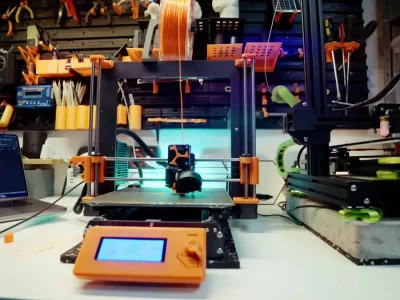
Use 3D printing for early ideas. Use CNC machining for final testing. Combining both makes product creation much faster.
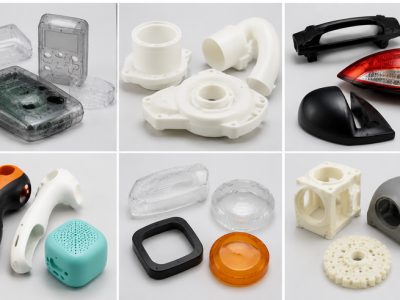
LKprototype provides skilled CNC machining and vacuum casting services. They make correct custom parts fast.
UNDERSTANDING RAPID PROTOTYPE MACHINING
WHAT IS RAPID PROTOTYPE MACHINING
Computer tools guide swift machines to cut solid blocks. These smart tools make exact physical parts fast. The subtractive method builds strong functional models easily. It avoids making costly custom tooling upfront.
Engineers pick this method from rapid manufacturing paths. It helps them check early designs quickly. The real model matches your digital CAD geometry. This match helps you run reliable tests.
WHEN TO USE RAPID CNC MACHINING
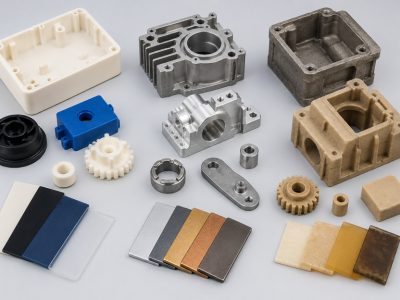
Pick cnc machining for your functional prototype needs. It works best with metals like steel. You can also use brass or aluminum. Tough environment tests need real engineering plastics. PEEK or Delrin handle heavy mechanical loads well.
High-precision tasks need strict dimensional control today. These limits stay at or under ±0.001 inch. Medical, aerospace, and electronics fields rely on this. They use cnc prototype machining for good fitting. It also helps with manufacturing validation checks.
KEY BENEFITS AND LIMITATIONS
Modern cnc prototype machining gives strict, tight tolerances. They hit ±4 μm right from CAD.
Category | Aspect | Impact |
|---|---|---|
Advantages | Versatility | It processes strong metals and plastics. Works with ABS and PC. |
Limitations | Access | Tool angles limit deep hollow shapes. Internal cavities stay hard. |
Rapid prototyping lets you upgrade parts constantly. Your design keeps its strong structural performance. Higher raw material waste raises extra costs. These fees add up in subtractive prototyping.
RAPID MACHINING WORKFLOW
You finish the rapid workflow in simple steps. First, make a CAD model in software. Save it as STEP or IGES. Next, upload files to trusted shops like LKprototype. Engineers review your design geometry carefully. They check wall thickness and tool clearance. This prevents bad production errors.
Then, tech teams generate automated G-code toolpaths. CAM software converts CAD models into machine commands. Machinists load raw metal or plastic stock. Multi-axis machines cut away extra material efficiently. This shapes your strong functional part.
Finally, inspectors measure finished parts against CAD drawings. They verify critical surface features and tolerances. They use smart measuring tools for this. Need small batches of polyurethane plastic parts? Choose their specialized vacuum casting service. Need fast custom metal hardware? Use their top CNC machining service. Rapid prototyping connects digital designs to physical parts fast. You avoid long waiting periods.
RAPID PROTOTYPE MACHINING PROCESSES
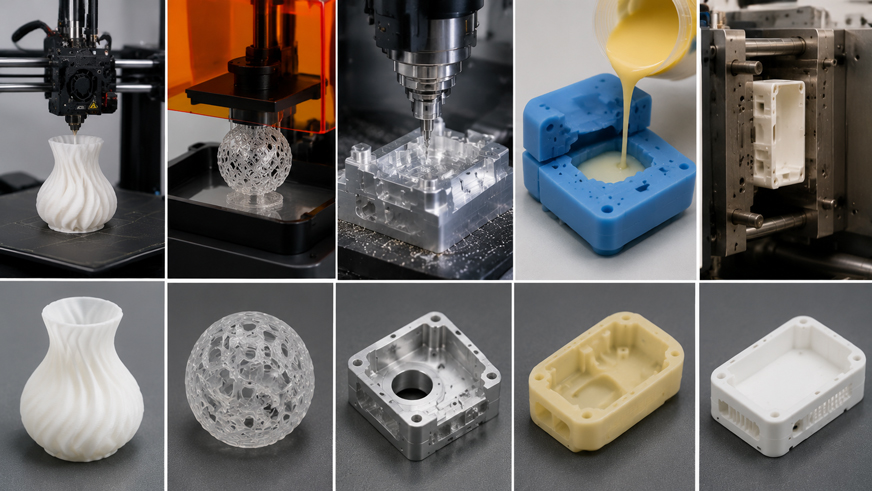
3-AXIS AND 5-AXIS CNC MILLING
Select 3-axis tools for basic flat cuts. Choose 5-axis options for complex geometry instead. Multi-axis movement cuts intricate contours and undercuts easily.
Finish design work in one single setup. This step stops bad fixturing errors quickly. It secures strict tolerances on medical housings now. Indexed milling creates superior surface finishes on angles.
CNC TURNING AND LIVE TOOLING
Shape round components efficiently using standard lathes. Old setups force extra moves between machines. This adds extra side cuts later.
Live tooling adds end mills into lathes directly. Without it, extra flat surfaces need full turning. Then, workers move parts to mills manually. That extra step wastes much time and money.
SWISS MACHINING FOR SMALL PARTS
Small high-precision components need specialized stability during cutting. The Swiss machining process supports slender stock closely. This prevents part bending under strong cutting force.
Geometry / Feature Threshold | Value / Specification | Technical Context & Support |
|---|---|---|
Aspect Ratio Threshold | Length-to-diameter ratio > 3:1 | Standard turning struggles with thin profiles today |
Tolerance Threshold | Accuracy of ±0.005 mm | Helps Swiss equipment make extreme precision items |
Get great results by selecting proper options. Smart use of machinery ensures good strength. Reliable teams rely on machining for fast turnarounds.
PRECISION DRILLING AND TAPPING
Precision drilling makes accurate holes for fasteners. It also fits pins and spinning shafts. Special peck cycles remove metal chips fast. Machines change feed speeds on deep holes. Rigid holders keep your cuts aligned well. Short drill bits aid this process greatly.
Tapping cuts inner threads into pre-drilled holes. CNC machines use rigid tapping with care. Spindles track thread pitch on each turn. This step protects soft metals from damage. It also shields engineering plastics from harm. You get strong joints for real tests.
PROCESS SELECTION BY PART GEOMETRY
You pick processes using unique part shapes. Functional needs guide your final choice too. Blocky parts with pockets use multi-axis mills. Round shapes use fast lathe turning setups. This strategy shortens total shop production time. Prismatic items with cross-holes use live tools.
Matching shapes to tools lowers wear down. Complex features need custom fixtures for support. They stop bad machine chatter on parts. LKprototype provides fast high-quality parts today. Use their top CNC machining service now. Smart plans protect your budget and timeline.
CNC MACHINING VS 3D PRINTING
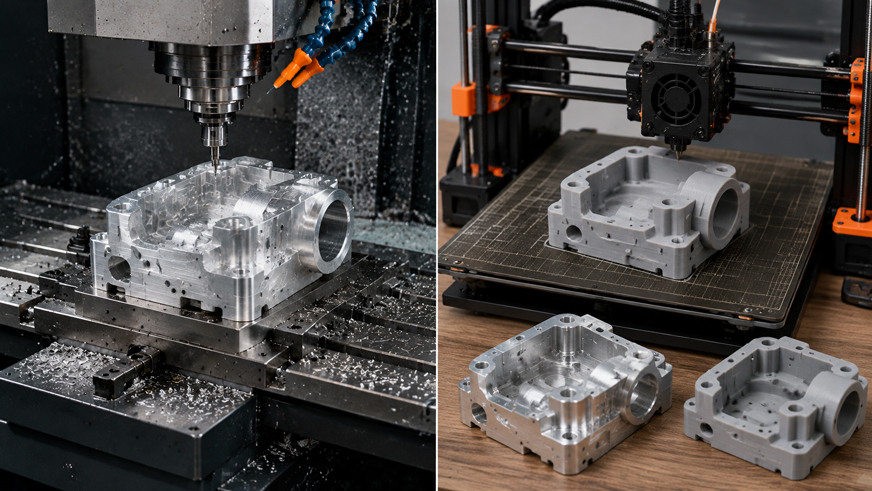
MATERIAL AND STRENGTH DIFFERENCES
You choose materials for your rapid prototyping project. Part strength guides this choice. CNC-machined parts come from solid, continuous block stock. This reduces directional variations. It beats additive methods. Minor alignment effects happen in raw material processing. Yet machining gives strong isotropic properties. It outperforms any 3D printing technique.
Feature | CNC Machining | 3D Printing |
|---|---|---|
Mechanical Strength | Superior; retains full bulk material mechanical properties | Generally lower strength |
Isotropic Behavior | Inherits stock material isotropy; highly consistent | Prone to anisotropy due to layer-by-layer deposition |
TOLERANCE AND ACCURACY COMPARISON
Subtractive tooling cuts solid materials with high mechanical control. You get tighter target limits on critical features. CNC prototype machining does better than 3D printing options.
Additive manufacturing builds items line by line. Heat during 3D printing changes physical dimensions. You need CNC prototype machining. It keeps your custom part tolerance limits.
SURFACE FINISH AND LEAD TIME
Subtractive machining makes smooth surface quality right away. Cutting tools do this directly. Layer-based 3D models leave tiny lines. These appear on curved surfaces.
Efficient tools improve surface quality. They also lower manufacturing timelines. Check the LKprototype CNC machining service for precision cuts. Try their vacuum casting service for your prototyping setup.
WHEN TO COMBINE BOTH PROCESSES
Mix different building methods to save money.
This smart plan cuts your production time.
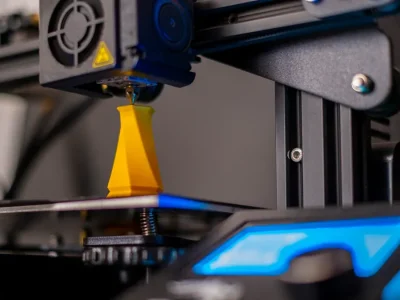
Use 3d printing for early visual tests.
This fast step checks simple human shapes.
It keeps early design changes very cheap.
Switch to precision machining for final strength tests.
This mixed strategy speeds up product development.
Get quick physical feedback without high setup costs.
Save tool resources for key structural parts.
These durable parts need strong metal cutting.
Hard internal spaces benefit from hybrid builds.
Print inner channels with 3d models first.
Then machine main mounting spots to exact limits.
Send your 3d print models to LKprototype.
Their experts make precise silicone molds from them.
Their fast vacuum casting service creates smooth plastic parts.
Order accurate metal pieces from their CNC machining service.
This total process delivers a top prototype fast.
Pick this smart plan to save money.
Get high accuracy on key matching surfaces easily.
Keep a fair schedule for every build stage.
Your engineering team meets every deadline smoothly.
markdown
RAPID PROTOTYPE MACHINING TOLERANCES
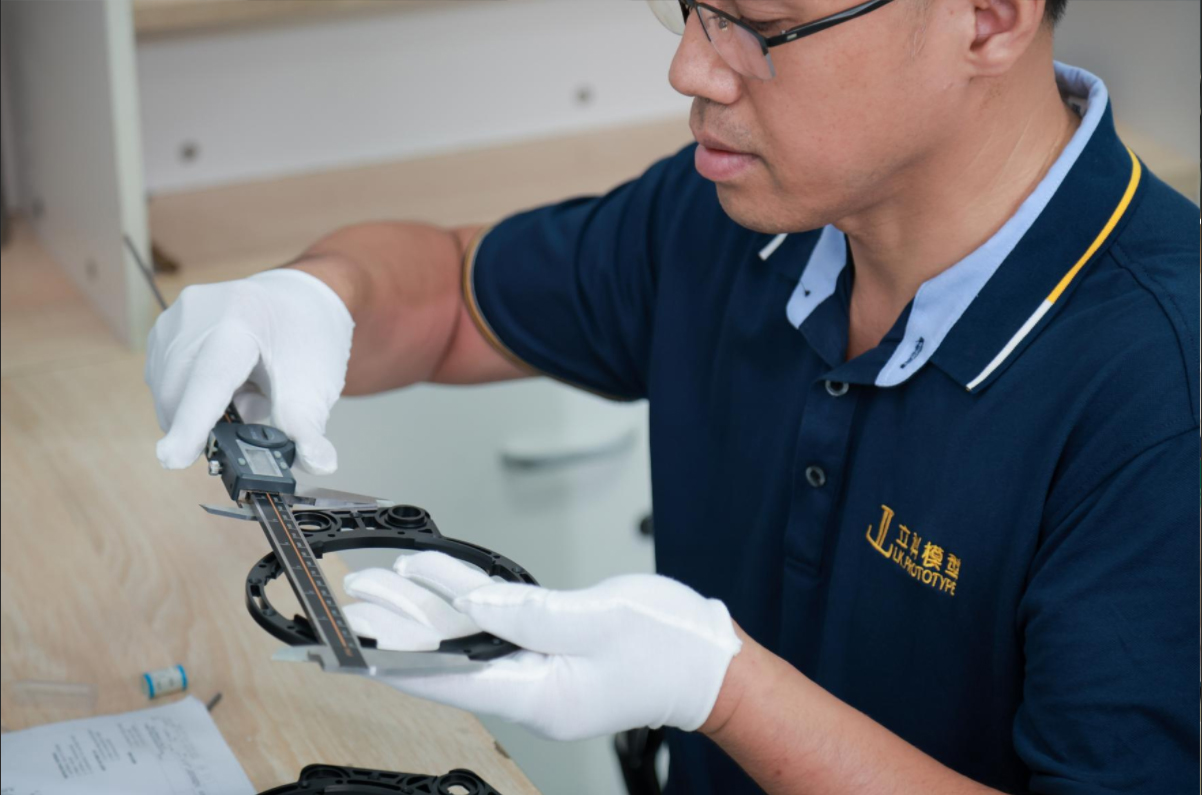
STANDARD CNC MACHINING TOLERANCES
Standard cnc machining makes steady prototype sizes.
You get normal bounds without extra fees.
Basic cuts pass early part checks easily.
Simple tools hold steady baseline sizes.
Clear limits on easy shapes save time.
Usual tools skip costly machine fixes.
TIGHT TOLERANCE CAPABILITIES
High-end gear hits tiny gaps for tight parts.
Smart machines reach fine ±0.0002 inch limits.
Sharp tools handle very close spaces well.
Pick cnc prototype machining for sliding shafts.
Rapid prototype machining checks gaps before mass production.
Shops use cnc prototype machining to give great accuracy with their custom CNC machining service.
METAL VS PLASTIC TOLERANCES
Metals stay firm under strong machine stress.
Plastics change shape because heat swells them:
Cutting makes polymers expand much more than metals.
Firm PEEK keeps fine ±0.001 inch gaps.
Soft plastics need larger ±0.005 inch gaps.
Watch heat levels when working with plastics.
LKprototype manages tough limits with care.
Try their flexible vacuum casting service for smooth plastic parts.
HOLE, THREAD, AND BORE TOLERANCES
Reamers make straight holes.
Drills cut raw blocks first.
Sharp reamers lock exact hole sizes.
Tapping tools cut clean inner threads.
This helps fasteners hold tight.
Bores keep spinning shafts steady.
Send CAD files to LKprototype.
Their team uses a top CNC machining service.
They hold exact sizes every time.
THERMAL EXPANSION AND PART STABILITY
Cutting creates high friction heat.
Heat changes part sizes.
Chosen materials affect dimensions.
Feature / Metric | Engineering Plastics | Aluminum |
|---|---|---|
Relative Thermal Expansion Rate | 3 to 10 times higher than metals | Baseline reference metal (CTE ~23 × 10⁻⁶/°C) |
Dimensional Stability during Machining | Highly prone to significant dimensional drift and variance due to process heat | Comparatively lower thermal growth, offering greater stability |
Tolerancing Impact | Extremely challenging to maintain tight tolerances during heat-generating CNC milling | Easier to maintain precise tolerances under identical thermal conditions |
Heat expands polymers quickly.
Try LKprototype for plastic parts.
Their vacuum casting service keeps tight sizes.
GD&T AND PRECISION QUALITY CONTROL
DATUM REFERENCE FRAME SELECTION
Set a reference frame first. It guides your machining work. Feature control frames list datums. Put key functions first. Do not use alphabet order.
Datum Hierarchy / Factor | Selection Consideration | Application Goal |
|---|---|---|
Selection Factors | Essential functions. Measurement access. Factory tool fit. | Ensures good part fit. Keeps alignment with shop steps. |
Primary Datum | Pick main features. They need top accuracy. | Sets high priority reference. Keeps it open for inspection. |
Secondary & Tertiary Datums | Follow clear priority rules. Use part complexity too. | Helps design teams talk. Gives clear shop directions. |
TRUE POSITION AND PROFILE CONTROL
A coordinate tool checks holes. You confirm part sizes easily:
Datum Alignment: Align real parts to reference frames.
Feature Center Coordinate Measurement: Measure center spots. Find differences from target sizes.
True Position Calculation: Calculate position shift. Use the standard formula.
Compliance Evaluation & Reporting: Compare results to targets. Check specified tolerance limits.
Smart CNC tools cut shapes. LKprototype offers a great CNC machining service. They secure your key limits.
FLATNESS, RUNOUT, AND PROFILE
Form controls stop part twists. Good runout control keeps shafts centered.
Exact tools hold shapes well. LKprototype keeps strict limits. Use their vacuum casting service. It makes smooth plastic parts.
TOLERANCE STACK-UP ANALYSIS
You stop big part mistakes.
Small changes add up fast.
Find problems early in plans.
Fix drawing errors very quickly.
Skip costly tool fixes now.
Stop bad product safety risks.
Protect your whole project schedule.
Analysis Level | Scope of Capability | Primary Failure Prevention Strategy |
|---|---|---|
1D Tolerance Analysis | Basic, linear component interactions | Checks one line size gains early |
3D Tolerance Analysis | Non-linear, complex geometric interactions | Stops bad fit in complex shapes |
Math checks ensure parts fit.
Matching pieces join together nicely.
Fix key sizes very easily.
Avoid high extra tool costs.
CMM AND FIRST ARTICLE INSPECTION
Smart machines check complex sizes.
They match parts to files.
Techs check features with probes.
They use light scanners too.
This strict check helps you.
Every cut hits exact rules.
Early reports test first builds.
Do this before big runs.
Inspectors check true hole spots.
They test inner thread pitches.
They check flat plane surfaces.
LKprototype sends full paper reports.
Use their CNC machining service.
Get plastic parts made fast.
Try their vacuum casting service.
Get exact part sizes daily.
MATERIALS FOR RAPID PROTOTYPE MACHINING
Engineers pick raw stock for physical job needs.
Your material choice changes part speed and strength.
ALUMINUM 6061 AND 7075
Aluminum works great for fast part builds.
Grade 6061-T6 bends well and moves heat quickly.
Grade 7075-T6 stays strong and transfers heat too.
Mechanical Metric | Aluminum 6061-T6 | Aluminum 7075-T6 |
|---|---|---|
Yield Strength | ~276 MPa (40 ksi) | ~503 MPa (73 ksi) |
Ultimate Tensile Strength | ~310 MPa (45 ksi) | ~572 MPa (83 ksi) |
Hardness (Brinell) | 95 HB | 150 HB |
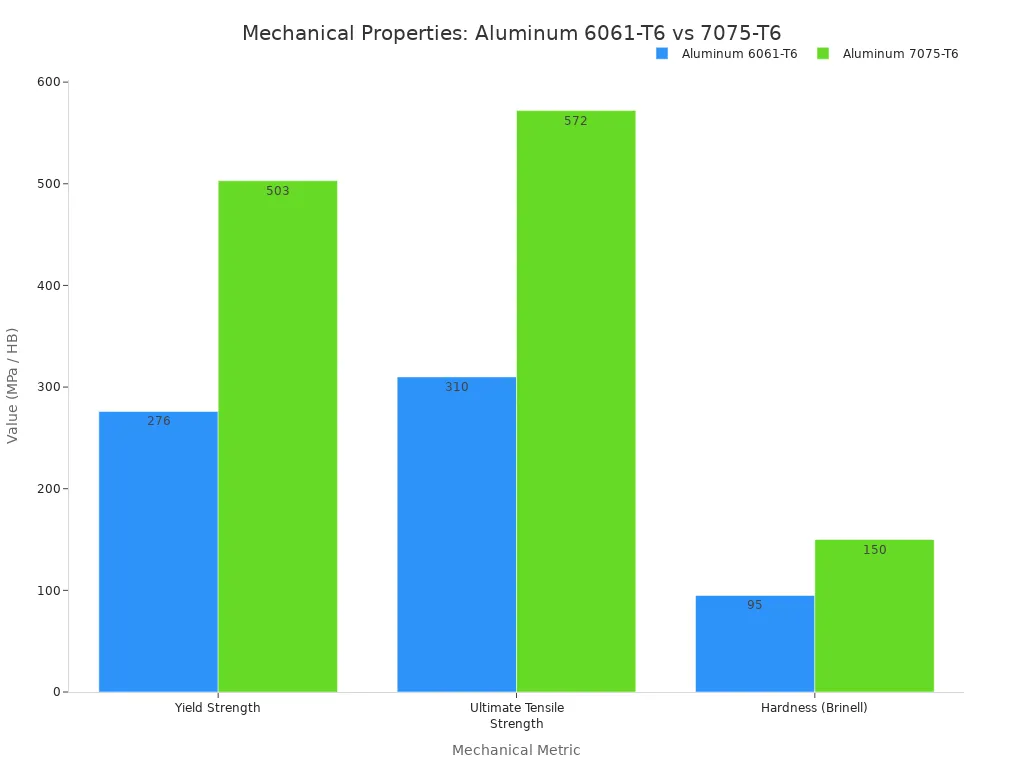
Picking these metals keeps parts steady during cuts.
STAINLESS STEEL 304 AND 316
Stainless steel resists harsh outdoor elements well.
Type 304 stops rust on basic builds.
Type 316 adds molybdenum for sea use.
Exact cutting shapes raw stock into hard boxes.
Engineers select cnc prototype machining for steel parts.
LKprototype supplies metal parts with their CNC machining service.
Make plastic shells using their vacuum casting service.
TITANIUM AND SPECIALTY ALLOYS
Flight hardware needs strong light metals today.
Titanium offers top strength with low total weight.
Expert shops run cnc prototype machining on hard metals.
New tools cut tough blocks without breaking down.
Strong metals help parts endure intense heat stress.
ACETAL, PEEK, ABS, AND NYLON
Pick plastic types for specific prototype needs.
PEEK offers top strength and high heat control.
It works safely up to 250°C.
Acetal saves money on basic mechanical parts.
Yet high heat deforms Acetal over 85°C.
Nylon stays strong under heavy physical loads.
However, wet air changes its performance.
ABS fits simple early visual concept models.
Warm temperatures warp ABS material stock easily.
Material | Mechanical Strength & Properties | Thermal Resistance & Heat Behavior |
|---|---|---|
PEEK | Excellent toughness, high strength | Exceptional max service temperature (~250°C / 482°F) |
Acetal | Good mechanical strength | Deforms above 85°C (185°F) |
Nylon | High mechanical strength, impact resistance | Properties alter with moisture absorption |
ABS | Moderate stiffness | Prone to melting, burrs, or thermal warping |
MATERIAL STABILITY AND MACHINABILITY
Workers test raw plastic before milling parts.
Soft stock bends under hard tool pressure.
Tough polymers keep their solid shape well.
Unstable plastics twist when tools cut layers.
Select stable plastics for exact part fits.
Fast cutting generates high friction heat.
This warmth swells soft plastic stock quickly.
LKprototype shapes plastics using their CNC machining service.
Try their vacuum casting service for stress-free models.
RAPID PROTOTYPE MACHINING COST FACTORS
MATERIAL AND RAW STOCK COSTS
Raw materials change your total machine expenses directly.
Solid metal blocks cost extra money.
Standard plastic stock costs less cash.
Big metal blocks need long cut times.
This extra step raises overall costs.
Picking specialty alloys raises early prices.
Choose normal plastics for initial tests.
This smart pick saves total money.
SETUP AND FIXTURING COMPLEXITY
First machine setups cost real money.
Early program steps raise single item expenses.
You cannot split one-time fees over big orders.
Custom fixtures act as hidden cost drivers.
They change your main build budgets.
Fixturing Metric | Custom Fixturing Impact | Standard Workholding Impact |
|---|---|---|
Financial Investment | Needs big early design cash. Works best for huge volume jobs. | Needs low starting capital. Keeps small test budgets safe. |
Application Suitability | Fits long repeat build runs. Needs very exact size limits. | Works for small batch runs. Fits shifting early part plans. |
Operational Flexibility | Fits only one part shape. Works with matching part types. | Adapts to changing part sizes. Handles new shop jobs well. |
MACHINE TIME AND TOOLPATH LENGTH
Hard part shapes need more machine time.
Deep spaces slow down cutting paths.
Thin walls need slow tool speeds.
Special tools shape hard features carefully.
Fast workflows lower final part costs.
Order from the expert CNC machining service at LKprototype.
Get metal parts made very fast.
Try their vacuum casting service for plastic models.
Smart prototyping cuts total job times.
Modern fast tools make real parts quickly.
TOOL WEAR AND SPECIAL CUTTERS
Tough metals ruin tool edges fast.
Fast tool wear forces quick tool swaps.
Swapping cutters raises total project fees.
Odd features need special cutter sizes.
Unique cutters raise low-volume costs.
LKprototype offers a smart CNC machining service.
It uses tools very wisely today.
TOLERANCE AND INSPECTION COSTS
Strict limits boost total prices fast.
Moving to tight bounds quadruples costs.
Slow cuts raise scrap part counts.
Exact limits need slow measuring steps.
Techs use special machine tools daily.
They test key details very carefully.
This work protects part fitting success.
QUANTITY AND LEAD TIME EFFECTS
Single orders place fees on one item.
Bigger orders lower your unit price.
Small part runs cost extra money.
Fast orders need dedicated shop tools.
Urgent work raises your build costs.
Try LKprototype for cheap plastic parts using their vacuum casting service.
DFM RULES TO REDUCE MACHINING COST
USE STANDARD HOLES AND THREADS
Smart designs reduce factory build costs directly.
Designers choose normal drill sizes for custom holes.
You pick common thread taps to skip extra fees.
This smart choice delivers your fast prototype sooner.
Normal hole sizes drop special machine setups.
Machinists cut standard parts much faster today.
Buy hardware through the LKprototype CNC machining service.
Try their vacuum casting service for plastic items too.
INCREASE INTERNAL CORNER RADII
Wider inside corners cut shop costs fast.
Changing corner sizes cuts machine times sharply.
This small change saves half your money.
Impact Area | Effect of Larger Radii | Direct Benefit |
|---|---|---|
Tool Rigidity | Strong tools fit well | Tools bend far less |
Tool Longevity | Cuts stay very steady | Bits last much longer |
Efficiency | Machines run faster now | Jobs finish very fast |
AVOID DEEP AND NARROW POCKETS
Proper space sizes keep tools straight always.
Designers limit cavity depth to stop tool bending.
Ratio Limit | Risk Level | Operational Impact |
|---|---|---|
Below 3:1 | Low Risk | Tools rarely bend here |
3:1 to 5:1 | Moderate Risk | Tools bend more often |
Over 5:1 | High Risk | Tools bend a lot |
CONTROL THIN WALL DEFLECTION
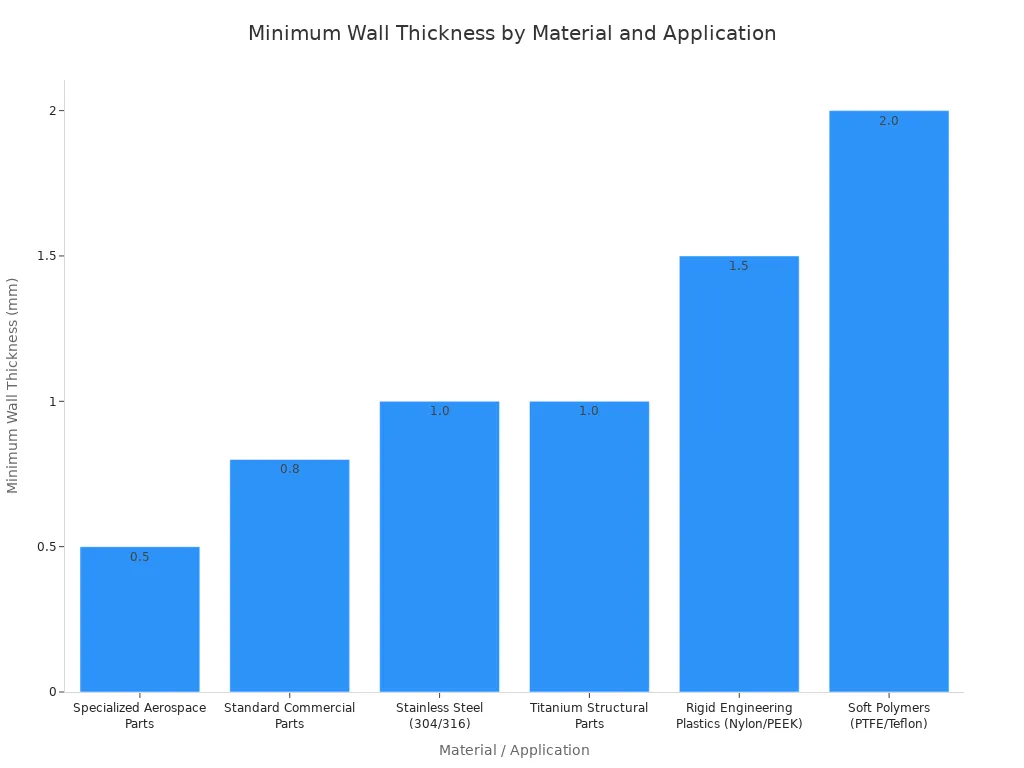
Cutting forces bend thin walls fast.
You need thick walls to stop shakes.
Steel parts need 1.0 mm thickness.
This keeps the metal firm while cutting.
PTFE plastic needs 2.0 to 2.5 mm thickness.
This extra size stops tools from pushing material.
REDUCE UNDERCUTS AND SETUPS
Moving parts around adds shop costs.
Simple single-side cuts save you money.
Good plans stop the need for custom tools.
Hidden inner cuts need special bits.
Try the LKprototype vacuum casting service for plastic cases.
Send CAD files to their CNC machining service for fast builds.
MATCH TOLERANCE TO FUNCTION
Tight sizes slow down factory work.
Use loose limits on basic outer sides.
This choice drops your total build cost.
Save tight limits for joining spots.
This smart step speeds up part delivery.
Your pieces still fit together well.
QUALITY CONTROL AND SUPPLIER SELECTION
REVIEW CAD FILES AND DRAWINGS
Start quality checks by inspecting 3D and 2D files. Matching design models ensures accurate custom parts for projects.
Double-check part sizes, strict limits, and thread details. LKprototype helps fix tricky design problems early as partners. Their team inspects shapes closely before cutting any parts.
DEFINE INSPECTION REQUIREMENTS
Set simple checks to measure finished parts after cutting. Clear testing steps protect total part performance on runs.
Shops create first-part reports to check tool setups. Inspectors use coordinate tools and live notes for accuracy. Check the LKprototype CNC machining service for verified checks.
VERIFY MATERIAL CERTIFICATES
Ask for full paperwork to prove raw material origins. Official mill papers show stock matches your original plan.
Medical items often need strict safety tests per ISO 10993-1:2018. LKprototype gives real material records for fast orders. Use their vacuum casting service to make great plastic parts.
COMPARE LEAD TIME AND TOTAL COST
Compare suppliers carefully today.
Balance delivery speed against budgets.
Rush jobs use extra shop gear.
They need direct engineer help too.
This priority service boosts fees.
Standard schedules need more wait time.
Normal delivery lowers total costs significantly.
It keeps schedules on track well.
Plan testing cycles early to save.
This lowers your team stress fast.
Check shipping fees and materials first.
Watch tool wear and machine setups.
Expert suppliers simplify this review step.
LKprototype offers clear project prices now.
They give reliable design feedback daily.
Pick their CNC machining service for tough metal parts.
Modern multi-axis mills make precise components.
They cut parts without tool delays.
Try their vacuum casting service for small plastic runs.
This process makes smooth plastic models.
It delivers exact sizes for cheap.
It helps visual testing work well.
Compare lead times to save money.
This helps you decide wisely every time.
FAQS
HOW ACCURATE IS RAPID CNC MACHINING
Top machines cut parts with extreme accuracy.
Standard shops hit ±0.005 inch size limits easily.
Great tools reach finer ±0.004 inch gaps instead.
Sharp cutters stop bad part variations quickly.
LKprototype cuts exact items with their CNC machining service.
Smart steps protect your initial design accuracy.
HOW MUCH DOES CNC PROTOTYPING COST
Part shapes change your total project spend directly.
Basic plastic blocks cost $100 to $200.
Tricky metal items cost $450 to over $1,000.
Early setup fees raise overall machine costs.
Quick tests check designs before big factory runs.
Try LKprototype's vacuum casting service to lower plastic expenses.
Good prototype services give steady price quotes.
WHICH MATERIAL IS BEST FOR PROTOTYPES
Pick raw stock using your job goals.
Strong aluminum grades suit fast metal builds.
PEEK, Acetal, ABS, and Nylon fit plastic tests.
Tools affect different stock in unique ways.
Machinists choose firm materials to stop heat bending.
Selecting tough options creates solid test models.
IS CNC FASTER THAN 3D PRINTING
Initial speed makes 3D printing good for basic parts. Printers build hard 3D shapes without custom setups. Software gets 3D CAD files right away. Standard 3D printing equipment starts making items now. Small plastic pieces take only a few hours.
Yet, quick milling tools win on big jobs. Fast block cutting removes material quicker than printing. Rapid cutting saves much precious time on big stock. Physical testing items arrive within 1 to 3 days. LKprototype uses a top CNC machining service to make strong parts quickly. Their group helps finish your early project plans fast.
HOW CAN MACHINING COST BE REDUCED
Smart early design choices reduce your overall testing costs. Make inside corners wider for big tools. Skip narrow deep spaces to stop tool bending. Use basic hole sizes across all drawings. This smart habit avoids buying extra unique cutters.
Clever design changes lower machine setup moves greatly. One-way cutting plans cut costly manual labor time. Pick common metals like 6061 aluminum to save money. Try the LKprototype vacuum casting service for small plastic runs. This option drops total spending and keeps exact details.
You balance processes, materials, speed, and tolerances for low costs. Smart picks speed up real testing. Check these five items before sending files:
Change CAD files into simple STEP formats.
Add 2D drawings showing key fit notes.
Make inside corners wider for fast cuts.
Pick common hole sizes to skip extra tools.
Use easy limits on non-important spots.
Good setup speeds up the swift prototyping process. LKprototype offers solid factory choices to test parts fast. Send files to their CNC machining service or vacuum casting service today for your big project.