LKprototype
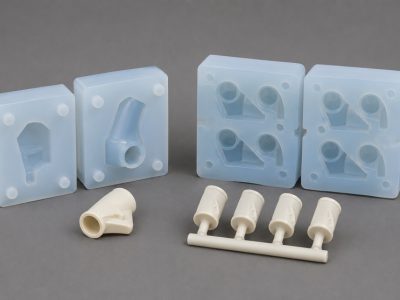
You reduce money risks when testing working prototype silicone parts before buying expensive factory tools. Quick physical tests speed up your product launch. Hard molded plastics are easy to predict, but a prototype silicone rubber part brings unique physical challenges. You need to test tear risks, bending ability, and how the part feels early in your design process. Making good silicone prototypes takes a clear technical plan. You combine correct material choices, smart part designs, and fast prototyping methods. Building a soft silicone prototype mold lets you test real strength under actual working conditions. You check every special mold shape fast before full factory production starts.
Key Takeaways
Test working silicone model parts early to prevent costly factory mold errors.
Choose test materials that fit the final real-world liquid silicone rubber needs.
Run physical tests to check how far the material stretches, resists tearing, and bounces back to form a seal.
Test these sample parts in intense heat, cold, and liquids to make sure they last.
Check important part sizes to make sure everything fits correctly inside tough cases.
WHAT MAKES A PROTOTYPE SILICONE PART FUNCTIONAL
You must study how soft elastic materials handle real physical pressure. Creating functional prototype silicone parts lets you check material stretch, surface feel, and overall toughness.
VISUAL PROTOTYPES VS FUNCTIONAL PROTOTYPES
Look-alike models display outer style, surface feel, and general shape. They cost from $2,000 to $150,000. Sadly, look-alike models miss working inner parts. On the other hand, working prototypes cost $2,000 to $250,000. They include real moving pieces to check strength, safety, and rules in actual work setups.
Prototype Type | Fabrication Method | Key Material Property Distinction | Functional Testing Suitability |
|---|---|---|---|
Non-functional | Room Temperature Vulcanization (RTV) Casting | Material traits do not match real factory-grade silicones. | Completely useless for functional testing. |
Functional | Compression Molding with LSR | Traits match high-volume LSR injection molded factory parts. | Great for real end-use functional testing. |
"If functionality will be tested, whenever possible the material for the prototype should be the same as the material being considered for the finished product."
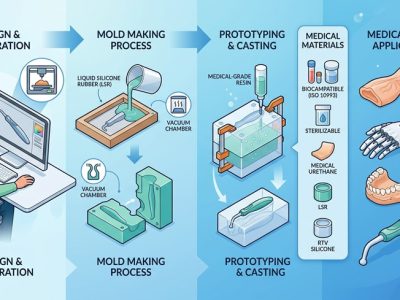
You can use a vacuum casting service to build 5 to 50 items for early hand-feel testing.
WHEN SILICONE PROTOTYPE PARTS NEED TESTING
You must run careful tests before spending heavy money on pricey factory tools. Checking designs early stops costly tool fixes during actual factory production.
Run these tests when your project demands tight liquid seals, high heat tolerance, or accurate touch response. Checking rapid prototype silicone parts lets you spot tear spots quickly. Making a tough silicone prototype mold lets your design team check real physical stress before final approval.
FUNCTIONAL REQUIREMENTS TO DEFINE FIRST
You need to set key working rules before building your test parts. First, list chemical contact levels, steady heat limits, and needed stretch limits.
Clear physical goals smooth out your entire silicone prototyping path. You get tight size accuracy by picking real factory-grade liquid silicone rubber. Matching real materials in early test builds gives dependable strength data for your finished item. Smart silicone prototyping keeps your hardware project timeline on target.
CREATING A USEFUL TESTING PLAN
OUTLINE WHAT YOUR ITEM DOES
You set up for success by choosing the main job of your piece right away. Bendable parts work as tight seals, soft pads, or flexible buttons. Clear plans make picking the right silicone model process much easier for your team.
Each job requirement directly shapes how you build your test sample. Sealing parts demand smooth surface contact, but buttons need a firm click feeling. Naming these jobs guides your material picks before buying custom tools.
FIND THE FORCE AND MOVEMENT NEEDED
You must track all physical forces pushing on your piece during normal use. Figure out expected pulling, squeezing, and twisting actions during daily tasks. Quick building methods help you make early samples to double check actual movement.
Various pushing forces change soft items over long periods. Quick physical tests show hidden weak spots near thin edges or sharp turns. You can shape a light metal mold using a CNC prototype and parts machining option to make real silicone test pieces fast.
PICK WINNING AND FAILING SCORES
You set clear score goals to grade your test outcomes correctly. Track liquid leaks, bounce-back shape, and ripping points in simulated work spaces. Firm target numbers show if your build will work safely under real pressure.
Consistent checking requires standard testing methods for every sample. You measure stretch power after thousands of squeeze turns. Setting these clear score goals makes sure your silicone build process meets strict safety rules before factory making starts.
LINK TESTS TO FINAL PRODUCT NEEDS
You connect simple shop testing directly to actual everyday use demands. Real-world tasks demand safe liquid contact, high heat resistance, and steady scraping limits. Thorough usage testing checks every important design choice one step at a time.
Your special mold form needs to copy full factory details totally. Smart testing connects early sample ideas to big factory production goals. Careful physical checks ensure your final mold plan gives reliable long-term item quality.
MECHANICAL PERFORMANCE TESTING
TENSILE AND ELONGATION TESTING
You check rubber stretch limits using standard pull testing methods. Standard ASTM D412 directs this laboratory test procedure. You pull molded test strips at a steady speed until the piece snaps apart completely.
This test records peak pull force, material strength, and maximum stretch length. These collected physical numbers prove your silicone part can handle hard stretching forces during normal daily tasks.
TEAR RESISTANCE TESTING
You find edge cracking risks under heavy working pull forces. Standard ASTM D624 measures the exact force per thickness needed to start a rip in rubber samples.
Sharp inside corners in a working model usually form heavy stress spots. You fix your silicone part shape before full factory making starts if early rip tests show quick material breaks.
COMPRESSION AND RECOVERY TESTING
You check outer seal bounce-back under steady squeezing pressure. Standard ASTM D395 tests how well silicone rubbers keep their flex after long press stress exposure.
You squash the test piece down to a set thickness for specific times under hot conditions. The soft rubber piece must push back against touching parts constantly to stop high-pressure fluid leaks.
FLEX FATIGUE AND CYCLIC LOADING
You put soft rubber parts through repeated bending motions during toughness checks. This standard test process helps find overall part strength across long working service lives.
Fast moving loads show inner stress wear and tiny surface cracks fast. You confirm long-term working strength by copying thousands of repeated flex turns under real operating setups.
PERMANENT DEFORMATION AFTER TESTING
You measure total thickness loss after taking heavy pressure off test items. Too much permanent shape change points to potential seal breakdown under strong working stress.
The bendable rubber must bounce back to its original form fully after full pressure stops. Unrecovered shape loss shows poor spring-back power in your selected raw rubber material blend.
SEALING AND COMPRESSION PERFORMANCE
GASKET AND SEALING FUNCTION
You build soft rubber seals to stop messy fluid leaks where hard machine parts touch. A special silicone gasket bends easily under light pressure to fill tiny cracks along tough outer walls.
Your seal shape must touch every spot around the whole joint line. Leaving enough open space lets soft silicone expand naturally without getting pinched when putting parts together.
COMPRESSION SET EVALUATION
You test long-term rubber spring-back using basic ASTM D395 science lab rules. Your skilled crew squeezes sample pieces down to set sizes inside warm test ovens for long periods.
Losing too much original shape lowers pushing power over many days. Small shape loss numbers prove strong rubber bounce and promise safe silicone seal work in rough operating environments.
LEAK TESTING FOR SILICONE PARTS
You check fluid holding ability by pushing air inside while sinking whole test builds under water. Rising air bubble trails show weak spots right away along touching part edges.
Modern air pressure tools carefully measure tiny air drops inside tight prototype test spaces. Full pressure checks prove total seal strength under highest working fluid forces inside.
CONTACT PRESSURE AND SEALING FORCE
You figure out real pushing power to promise tight liquid walls along important touch spots. Pressing a soft silicone seal makes strong outward force against surrounding hard wall surfaces.
Higher pushing force stops liquid leaks through small edge gaps during sudden fluid pressure spikes. You must watch clamping force closely to avoid breaking weak plastic frames when building items.
TESTING UNDER REPEATED COMPRESSION
You push soft sealing pieces through thousands of continuous squeeze turns using testing tools. Repeated movement shows rubber wear, loss of firmness, and slow strength loss over many years.
Top cracks or crushed walls show dynamic seal failure risks before making final factory tools. Doing careful physical checks proves long-term toughness before starting big factory making runs.
ENVIRONMENTAL AND THERMAL VALIDATION
You subject your early models to extreme hot and cold levels. Tough conditions checks prove if bendable parts remain useful through hard jobs in the field.
HIGH AND LOW TEMPERATURE TESTING
You put test samples inside weather boxes to locate freezing crack spots. Special phenyl rubber mixes endure icy spaces much better than common types.
Silicone Polymer Type | Approximate Brittleness Point | Key Test Standard |
|---|---|---|
Vinyl Silicone (VMQ) | -80°F (-62°C) | A-A-59588 (ZZ-R-765 Class 2B) |
Phenyl Silicone (PVMQ) | -130°F (-90°C) | A-A-59588 Class 1 |
You do trials using standard ASTM D2137 guidelines. This testing plan tracks breaking limits during intense freeze settings. These deep cold reviews safeguard pieces working in frosty climates.
THERMAL CYCLING
You force items across swift hot and cold changes inside climate boxes. Fast temp swings stretch and shrink real matter over and over.
These sudden heat shifts breed internal stress around slim edge borders. Clearing heat cycle checks shows your shape keeps steady physical power through actual job tasks.
CHEMICAL AND FLUID EXPOSURE
You dunk test pieces in everyday car liquids to review chemical safety. Liquid Silicone Rubber blocks transmission fluids, motor oils, stopper liquids, and fertilizer mixtures.
Strong fuel liquids like gas, lamp oil, and solvent bring swelling plus total breakdown. You pick fluorosilicone options if you put your piece in harsh gas spaces.
HUMIDITY AND ENVIRONMENTAL AGING
You put test pieces in wet climate boxes set with high water vapor levels. Extra damp checks expose long-term wear threats over extended active service timelines.
Soggy outside air calls for tough defense from dampness and high heat. Climate checks show true material safety and stable shape for medical tools and body tech.
POST-AGING PERFORMANCE CHECKS
You do physical checks after weather trials finish up completely. Your testing path tracks leftover stretch ability, rip power, and key size edits.
The soft rubber must keep its flex shape without top cracking or fast hardening. Final power tests confirm your sample meets real field life goals before factory production.
DIMENSIONAL AND ASSEMBLY VALIDATION
CRITICAL DIMENSION INSPECTION
Your team conducts precision testing on each fresh lot. Custom silicone casting reaches normal variance bounds from ±0.003″ to ±0.005″ based on shape traits.
You ought to review sizes using baseline machining guidelines like DIN 2768-1-fine. The chart here lists typical size deviation limits for bendable components:
Dimension Type | Tolerance Range | Notes |
|---|---|---|
Linear Dimensions | ±0.05 mm to ±0.2 mm | Varies based on mold size and complexity. |
Wall Thickness | ±0.1 mm to ±0.2 mm | Applied for consistent product thickness. |
Hole Diameter | ±0.05 mm to ±0.1 mm | For precision in functional or assembly holes. |
FIT AND INTERFACE VERIFICATION
You test how your soft item joins hard plastic shells. Molded silicone shapes alter form as you squeeze them into narrow slots during alignment checks.
Accurate size checking ensures ideal component placement. You stop fluid leaks by tuning the seal layout to fit adjacent hardware during quick trial tests.
ASSEMBLY FORCE AND CLEARANCE
You run checks on test silicone items to monitor setup pressure within surrounding parts. Tough pushing power can break weak plastic latches or warp your trial unit.
Gaps must permit flexible rubber growth without biting edges. Smart prep helps workers put pieces together easily without ripping delicate soft borders.
DEFORMATION UNDER ASSEMBLY
Pliable items warp and pull when placed into firm outer frames. A metal cavity forms uniform outer profiles, but localized pressing pressure twists slim areas.
You check final squished profiles to stop actual part failure. Good sample creation lets you study true bending action prior to making full factory tooling.
REPEATABILITY BETWEEN PROTOTYPE PARTS
You need to guarantee uniform sizes through several shop runs. Every main tool forms identical rubber pieces when running with fixed heat levels within the hollow cavity.
You contrast first trial builds against future factory items. Balanced casting conditions help soft items hit matching spatial goals every single run.
FUNCTIONAL TESTING BY APPLICATION
SEALS AND GASKETS
You put liquid silicone rubber seals through hard strength checks before making metal production molds. Custom testing setups push high pressure water against soft sealing edges. This step proves leak protection along connecting housing lines.
Weather testing rooms copy fast heat growth cycles inside actual pump tools. You improve joint edge shapes during smart silicone prototyping work. These small design changes keep strong touching force under shifting pressure levels.
FLEXIBLE COVERS AND PROTECTIVE PARTS
You drop normal metal weights onto quick prototype silicone parts to check impact power. Heavy outer covers need to absorb hard physical hit energy. This soft inner padding keeps fragile electronics safe from sudden high drops.
Moving stress checks bend side walls to test edge rip power near tight hinge lines. You change local wall thickness and raw silicone mix choices. These clever edits stop quick edge tears during daily product upkeep.
BUTTONS AND ELASTOMERIC INTERFACES
You track push power lines on rubber keypads during standard silicone prototyping jobs. Robot fingers press button centers over thousands of turns. This test method checks button click feel and return speed across long working usage.
Push distance checks prove exact click feedback numbers for main user control buttons. You change thin rubber wall collapse shapes during early prototyping steps. Good physical tuning gives clean click feedback for daily hand use.
DAMPING AND VIBRATION COMPONENTS
You attach soft silicone isolation mounts to running motor test frames. High speed shaking tables vibrate parts through target speed ranges. These real checks measure true movement shock absorption and motor isolation work.
Special motion check tools measure lost movement power under changing heat levels. You tweak rubber hardness numbers right away. This accurate material adjustment protects tiny light sensors from rough frame shaking during daily work.
MEDICAL AND WEARABLE PROTOTYPES
You run medical prototyping parts through tough skin safety testing plans. Normal laboratory checks review safe body contact using flexible medical grade silicone material under ISO 10993 rules.
Fake sweat exposure checks track long strap comfort on artificial skin models. Your wearable prototyping plan proves safe skin contact while showing full surface strength against strong skin oils, soaps, and wetness.
TEST RESULTS AND VALIDATION CRITERIA
PASS AND FAIL CRITERIA
You set simple target goals for every custom prototype part before starting physical tests. Your build team rates each real test using firm number limits, like zero surface tearing, low fluid leak limits, and exact size rules.
Clear passing targets prevent pricey design errors during full usage testing. Your design group spots hidden shape flaws early when a test item misses these basic working limits under strong physical stress.
TEST SAMPLE SIZE
You have to pick enough soft rubber pieces to collect solid working data. Checking only one item often misses small material shifts that happen naturally within the hollow mold space during processing.
Testing many physical items increases total evaluation trust. Reviewing five to ten molded pieces helps your team catch tiny building flaws and surface changes across distinct production groups.
TEST REPEATABILITY
You need matching test outcomes across every single trial run in the shop. Fixed test tools exert identical pressing power, bending paths, and pull speeds onto each flexible rubber piece.
Stable lab spaces keep physical test setups totally steady. Uniform test steps prove that your early sample layout delivers reliable strength performance under repeated pushing stress.
DOCUMENTING TEST CONDITIONS
Your technical team writes down exact room heat, air force, and moisture levels throughout every shop test. Bendable silicone rubber items shift their real physical actions under changing weather settings.
Full shop records help your layout team trace surprise material breaks quickly. Noting precise pull speeds, holding power, and press time frames guards your whole organized review process.
CORRELATING RESULTS WITH PRODUCTION REQUIREMENTS
You match early physical test findings right against your ultimate factory quality goals. Early sample test numbers must align well with big factory liquid silicone rubber injection molding goals.
Connecting early shop findings with real factory rules promises equal quality proof. This final design check gives your crew total technical trust before buying pricey factory molds.
WHEN PROTOTYPE SILICONE PARTS PASS VALIDATION
FUNCTIONAL PERFORMANCE CONFIRMED
You finish hard testing tasks once sample silicone pieces pass all strength and heat targets. Your lab results prove that soft rubber seals keep fluids locked tight under heavy pressure. This success shows that your chosen rubber hardness and side wall thickness withstand real working stress without breaking.
You check overall item strength before spending big project money. Passing these physical trials promises that your design works safely inside tough job spaces. Your building group gains total trust in product safety, flexible fit, and surface feel.
DESIGN CHANGES AFTER TESTING
You study small physical edits found during working trials. Testing usually shows tiny corner stress spots or tight spacing gaps that need smart design fixes. You tweak important wall sections and soft corner turns to help raw rubber flow smoothly inside the tool space.
You update digital shape files to fix small joining issues. Changing part shapes now stops expensive mold repairs on final steel factory tools later on. Smart design tweaks ensure easy part installation into hard outer shells.
MATERIAL OR PROCESS REASSESSMENT
You compare initial building steps against big factory production goals. You can check a small start batch built by a vacuum casting service during early testing phases. Bendable casting methods copy real rubber actions for small testing groups.
You switch your production plan from a soft silicone prototype mold to hard metal mold tools. Skilled builders make tough aluminum mold forms using CNC prototype and parts machining to keep tight size accuracy. Tuning your soft part process connects early shop samples to mass factory runs.
READY FOR THE NEXT DEVELOPMENT STAGE
You end full testing work with total technical trust in your flexible hardware piece. Your proved lab files show solid physical strength, correct material hardness, and safe bounce-back power. Clear trial records make final leadership reviews and safety approvals run smoothly.
You push your proved idea straight into real factory building stages. A successful quick sample build opens your route toward smooth, high-volume liquid silicone rubber injection mold making.
FAQS
CAN SILICONE PROTOTYPE PARTS BE FUNCTIONALLY TESTED
You can test working silicone prototype parts in real life settings. Right manufacturing ways give real test items for active physical checks. Early hand testing shows rip power, squeeze recovery, and material bending before buying tools. You check real pressure actions to make sure your design fits your project.
WHAT TESTS ARE USED FOR SILICONE PROTOTYPES
Makers do stretch and side rip checks on every sample item. Normal heat change tests check if matter stays stable in hot or cold spaces. You also run liquid exposure checks to see how items swell up. These shop steps ensure steady body strength in rough work areas and everyday tasks.
HOW DO YOU TEST SILICONE PART DURABILITY
You check silicone toughness by doing repeated flex checks using smart testing machines. Constant pushing actions show wear and tiny top cracks quickly. These fast bending cycles display long-term wear trends early in your project. You find weak shape spots before starting big production runs in the plant.
HOW DO YOU TEST SILICONE SEALING PERFORMANCE
You push squeezed air or liquids against the built silicone seal setup. Fine pressure gauges track small fluid leaks along the touching joint lines. You also check bounce-back power to guarantee tight long-term seal touch. This strict testing stops fluid leaks under quick pressure jumps during work times.
HOW DO YOU VALIDATE A SILICONE PROTOTYPE
Full checking needs you to match real test data with your main design goals. You check key wall sizes, fluid safety, and springy bounce power. Winning tests prove the item is ready for final tool building steps. Clear notes give your build crew full work trust during final checks.
WHEN SHOULD SILICONE PROTOTYPES BE REPLACED
Swap early test items when ongoing physical pressure changes the total part form. High shape loss or clear top rips call for fresh silicone prototype builds. Good sample making guarantees correct rubber work data for your design crew. Changing samples stops bad test results during final project reviews.
You lower design mistakes before buying big factory molds. Picking the right rubber and smart shapes protects your build plans. Special early models prove your real part strength fast.
Test Requirement | Prototyping Method | Mold Choice |
|---|---|---|
Fluid Sealing | Machined metal mold | |
Mechanical Flexure | Soft silicone mold | |
Tactile Response | Fast prototyping | Printed cavity mold |
Quick silicone models show soft material limits right away. You must talk with rubber makers during early drawing steps. Picking good mold options gives accurate test numbers to your tech team.