
Share a little biographical information to fill out your profile. This may be shown publicly.
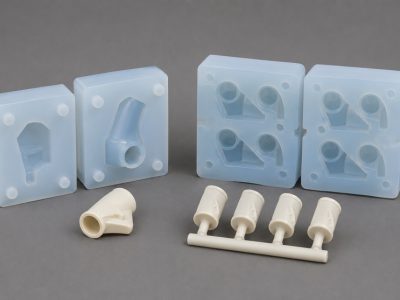
You will see that a multi cavity silicone mold can save money. It works well for vacuum casting when you need many good parts. Cost, output, and efficiency are important for picking your mold. The total cost depends on your mold design. It also depends on how complex your prototypes are. The quality you want matters too. Silicone molds are flexible for making things. They are good for saving money and getting parts fast. Always pick the right mold for your project needs. This helps you get the best results. Key Takeaways Single cavity molds work well for small batches…
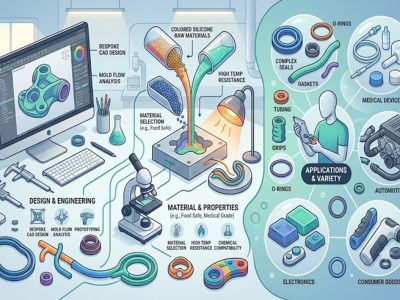
You see custom silicone parts in many things you use every day. These parts are special because silicone bends easily, lasts a long time, and can handle heat and chemicals. Many businesses use silicone because it has special features: The silicone product market keeps getting bigger as businesses want more custom silicone parts for their own needs. Silicone is used in medical devices, implants, seals, gaskets, and car parts, which shows it can do many jobs. Industry Significance Medical Devices Used for tubing, catheters, implants, and tests because it stays strong in heat and does not break down with chemicals.…
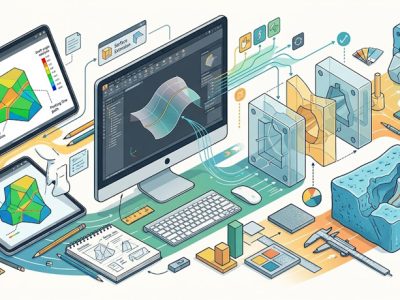
When you start making silicone molds, you will notice that the silicone mold parting line is crucial in the casting process. You must consider where to place the silicone mold parting line, as this decision facilitates the removal of your prototype from the silicone mold. It also contributes to achieving a smooth and aesthetically pleasing surface. A well-thought-out design allows you to create prototypes that function effectively and possess the correct size and shape. If you aim for strong or high-quality prototypes, careful planning of your silicone mold and tooling is essential. Crafting custom silicone molds enables better quality checks…

When you start a new prototype, you need to choose the right material from the beginning. Think about how your choice will affect how your product works, how much it costs, and how you use it. Prototype material selection shapes your design and testing process. Before you decide, look at the properties you need and what your project must do. This helps you pick the best option for your goals. Key Takeaways Pick the right material early to stop expensive mistakes and help your prototype work well. Match your material to how you will make it for better results and…

You can pick from a few main ways to make plastic electronic enclosures in small amounts. These ways are aluminum tooling, P20 pre-hardened steel, rapid tooling inserts, and 3D-printed mold parts. What you pick changes how much it costs, how fast it is, and how good it turns out. Making things in small amounts lets you make test models, change designs, and build short runs. Many methods and materials work for different projects. Key Takeaways Pick the best manufacturing method for your project. You can use 3D printing for fast prototypes. CNC machining is good for accuracy. Injection molding…

You may ask which tooling method is best for your project when you have a small budget or not much time. For most low-volume manufacturing, bridge tooling usually gives you more choices and works faster. But, production tooling is needed when you make more parts or need parts to be very exact. Many manufacturers find it hard to balance how long things take, how much they cost, and how good the parts are. Knowing these trade-offs helps you make better choices for your needs. Key Takeaways Bridge tooling works well for making a small number of parts. It lets…

You must pick the right flame retardant resin. Match its UL 94 rating to how you will use your product. Also, match it to how you will make your product. This choice keeps your product safe. It helps you follow the rules. UL 94 ratings depend on how thick the material is. Always check the UL Yellow Card. If you choose the right retardant early, you avoid expensive changes later. This keeps your project moving forward. Balance flame resistance, strength, how you make it, safety, and cost. This makes your product reliable and follows the rules. Key Takeaways Pick the…

You can achieve clear parts and save money by selecting the right transparent urethane resin for clear resin prototyping. Some excellent options include Accura® 60, Somos® BioClear, Crystal Clear™ Series, and PolyForm. Each resin offers its own unique advantages: Accura® 60 produces clear parts that perform effectively. Somos® BioClear is ideal for medical applications. Crystal Clear™ Series is exceptionally transparent and blocks UV light. PolyForm is durable and reasonably priced. Additional steps, such as polishing after printing, enhance the clarity of the parts even further. Key Takeaways Pick the best transparent urethane resin to get clear parts and save money.…
You can figure out and fix springback in sheet metal bending by using an easy formula and changing your bend angle. The main formula is: Δα = σy × t / (E × R) × K σy: Material yield strength t: Sheet thickness E: Young’s modulus R: Inner bend radius K: Process coefficient Springback means the metal wants to go back to its old shape after you bend it. This can change how exact your bends are and might make parts not fit right. Springback amounts are different for each material: Material Type Estimated Springback Notes Carbon Steel 0.5° –…
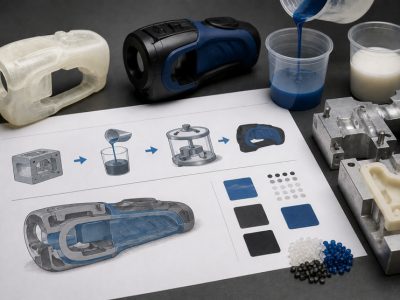
You can make an overmolding prototype by pouring one material over another. This helps you create a part with different features. Vacuum casting for rapid prototyping lets you mix materials like hard plastics and soft elastomers in one part. This method is good when you need strong layers to stick together. It is important to pick materials that work well together and stick well. Here are some common materials used: Material Type Description Rigid Polyurethanes They resist impacts and chemicals. Flexible Polyurethanes People use them for bendy parts. Soft Rubber It gives grip or makes things softer. Elastomers These are…
Want to convert your CAD design into a sample prototype or small-batch production? Upload your files and get a fast and accurate quote.