
Image Source: pexels Vacuum casting is a versatile method for producing prototypes and low-volume production parts using polyurethane (PU) or epoxy resins. One of the most critical factors for part quality is wall thickness. Proper wall thickness ensures consistent resin flow, minimal shrinkage, and dimensional stability, while poor design can lead to warping, sink marks, or incomplete casting. This guide provides minimum and recommended wall thickness ranges, practical design tips, and engineering considerations for vacuum-cast parts. 1. Minimum and Recommended Wall Thickness The optimal wall thickness depends on part size, geometry, and resin type. Below are general guidelines: FeatureMinimum ThicknessRecommended…
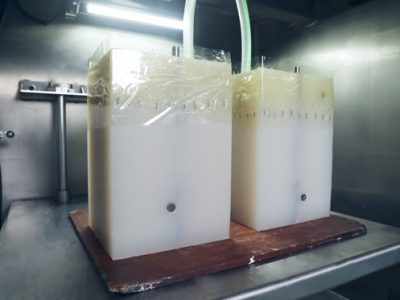
You should expect about 0.15% shrinkage with Vacuum Casting Material. This is common with polyurethane resins and elastomers. If you do not think about shrinkage, your parts may not fit. They might also not work as you want. Plan for shrinkage before you start making parts. This helps you get accurate results. Polyurethane resins and elastomers are popular. They have shrinkage rates you can predict. Key FactorImpact on Dimensional Accuracy and FitShrinkage during curingPart size changes; it depends on the resin type.Geometry of the partThicker parts shrink more and may bend.Temperature controlCareful curing keeps sizes correct. Key Takeaways Vacuum casting…
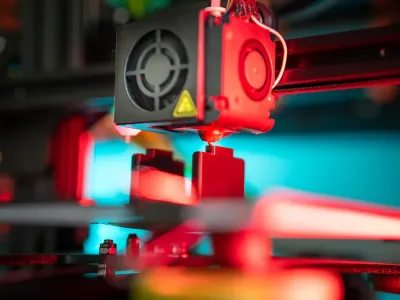
If you want to learn how to make mold 3d model for vacuum casting, you can follow some simple steps and guidelines. Start by creating a 3d model, as this is the foundation for how to make mold 3d model. Pay close attention to the mold design to ensure you can easily remove the finished part. The process of how to make mold 3d model involves having a precise model, careful mold making, and proper casting techniques. Many people achieve consistent and repeatable results by using this method. For instance, silicone molds made from a 3d model can be reused…
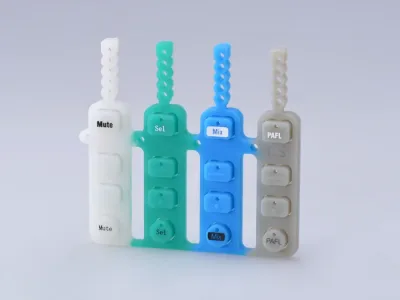
Choosing between vacuum casting and low volume injection molding depends on your specific needs for small batch production. Vacuum casting has a lower initial cost and allows for easier design changes. On the other hand, low volume injection molding produces parts faster and offers a lower cost per part when producing larger quantities. The table below highlights the key differences: FeatureVacuum CastingLow Volume Injection MoldingSetup CostLow to moderateHigher upfrontPer-Unit CostHigher at scaleLower with volumeLead TimeShorterLonger setup, faster cyclesTool LifeUp to 200 partsUp to 50,000 shots Key Takeaways Vacuum casting works well for small groups and fast samples. It costs less…
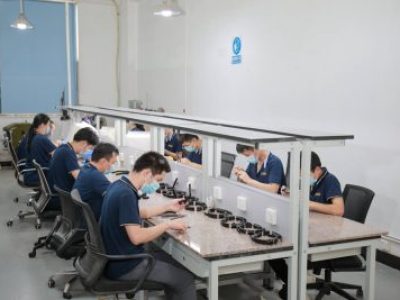
Urethane casting prototype A professional vacuum casting factory uses special machines and careful checks to make good parts for new products. The factory looks at numbers like pressure and temperature to find problems and make more good parts. Machine learning models link how the process works with how many mistakes happen. Digital tracking systems make sure every part follows the rules. The factory uses these ways to help make samples and small batches with good results. Key Takeaways A vacuum casting factory has special machines and clean rooms. These help make strong parts with lots of detail and few errors.…
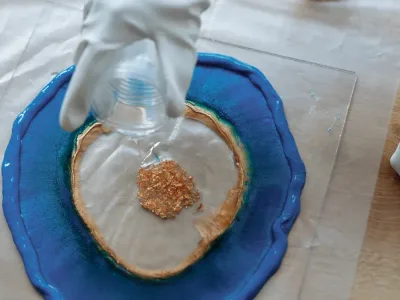
Creating flawless resin casts might seem challenging, but silicone molds for resin make the process much easier. These flexible and durable molds allow you to craft intricate designs effortlessly. Interestingly, the silicone market is projected to grow at an impressive 6.0% annual rate by 2030, highlighting their rising popularity in resin casting! Key Takeaways Silicone molds are bendable and strong, perfect for making detailed resin items without breaking them. Preparing well is important: clean the molds and spray mold release to make removing resin easier. Mix resin slowly and pour gently to stop bubbles; use a heat gun to remove…

Image Source: pexels Silicone cake moulds have revolutionised baking with their flexibility and durability. These moulds are non-stick, ensuring cakes release effortlessly without crumbling. They have become increasingly popular due to their practicality, especially as home baking continues to grow in popularity. Whether you are a novice or a seasoned baker, silicone cake moulds make baking simple and flawless. Key Takeaways Silicone moulds do not stick, so cakes come out easily. You don’t need much grease, making baking healthier with less fat.Fill silicone moulds about two-thirds full to stop spills. This helps cakes bake evenly. Place them on a baking…
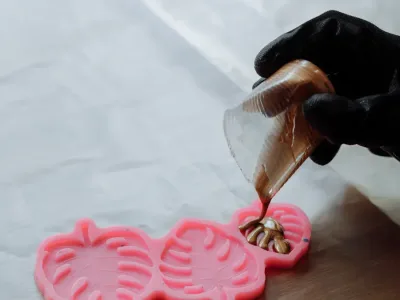
Resin art is all about creating shiny, beautiful items with liquid resin. You can make coasters, jewelry, or unique trays. It’s a blend of crafting and science! If you’re just starting out, silicone molds are incredibly useful. They are flexible, reusable, and shape resin perfectly. Consider them essential tools for beginners to learn the craft. They’re user-friendly, ensuring your projects turn out beautifully. For newcomers, using silicone molds is the simplest way to dive into resin art without any stress. Key Takeaways Silicone molds are great for beginners in resin art. They bend easily, can be reused, and are simple…
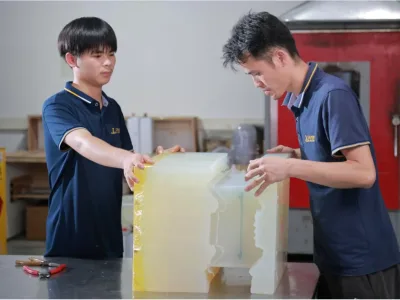
Urethane casting prototype Choosing the best vacuum casting factory is crucial for creating high-quality prototypes and parts for your project. A reliable factory equipped with advanced tools and experienced professionals ensures precise and consistent results. Their efficient processes save both time and money while offering custom solutions tailored to your specific needs. Selecting the right vacuum casting factory simplifies the process of transforming your ideas into tangible products. Key Takeaways Look up different vacuum casting companies. Check reviews and their work to ensure they are good and trustworthy. Pick a factory with trained workers and modern tools. This helps make…

Selecting the right urethane casting service is crucial for achieving durable and high-quality parts. Properly crafted molds play a key role in preventing issues like trapped air, which can compromise the strength of the final product. A reliable urethane casting service utilizes expertise and past project insights to deliver superior results. By choosing a trusted provider, you can meet your specific requirements, save costs, and ensure timely delivery, helping you complete your project successfully. Key Takeaways Know what your project needs. Decide the type and number of parts. Pick the right urethane materials. Think about strength, flexibility, and look. Set…
Want to convert your CAD design into a sample prototype or small-batch production? Upload your files and get a fast and accurate quote.