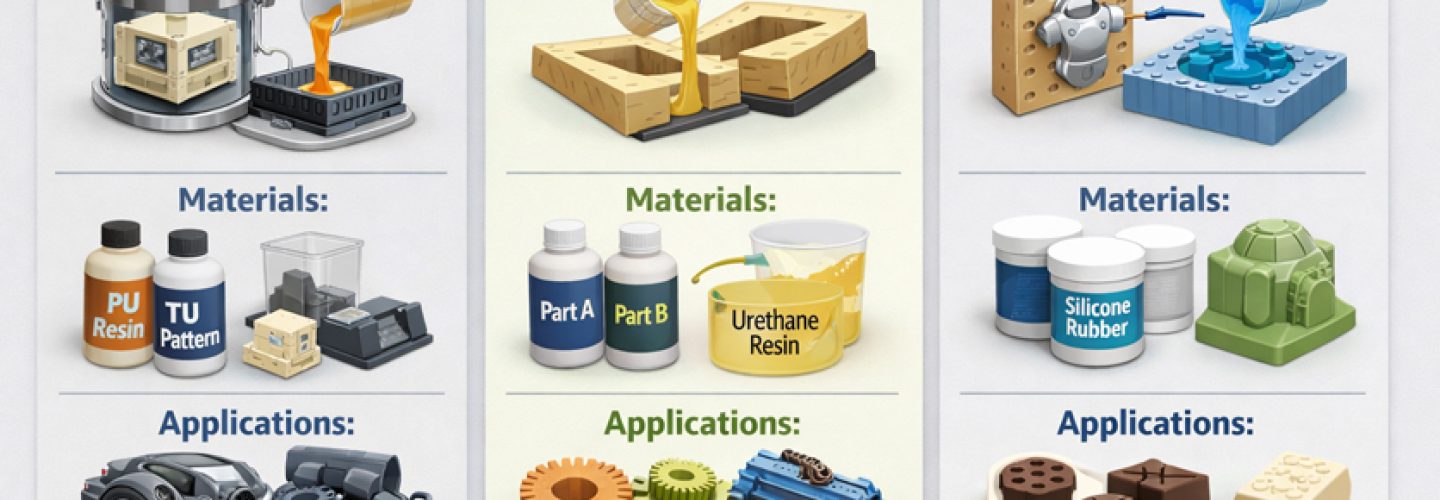
Custom silicone molds are important tools for work and hobbies. They are useful because they can change and are dependable. You can see them used in baking and making products. Their special features—like being bendable, strong, and safe—make them popular with workers and DIY fans. Here are some ways industries use these molds: Car makers use them for parts like gaskets and seals that handle tough conditions. Electronics companies use them to protect parts from dust and water. The healthcare industry likes silicone because it is safe for the body, so it’s great for medical tools. Builders use silicone for…
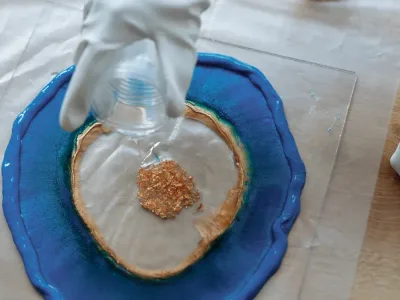
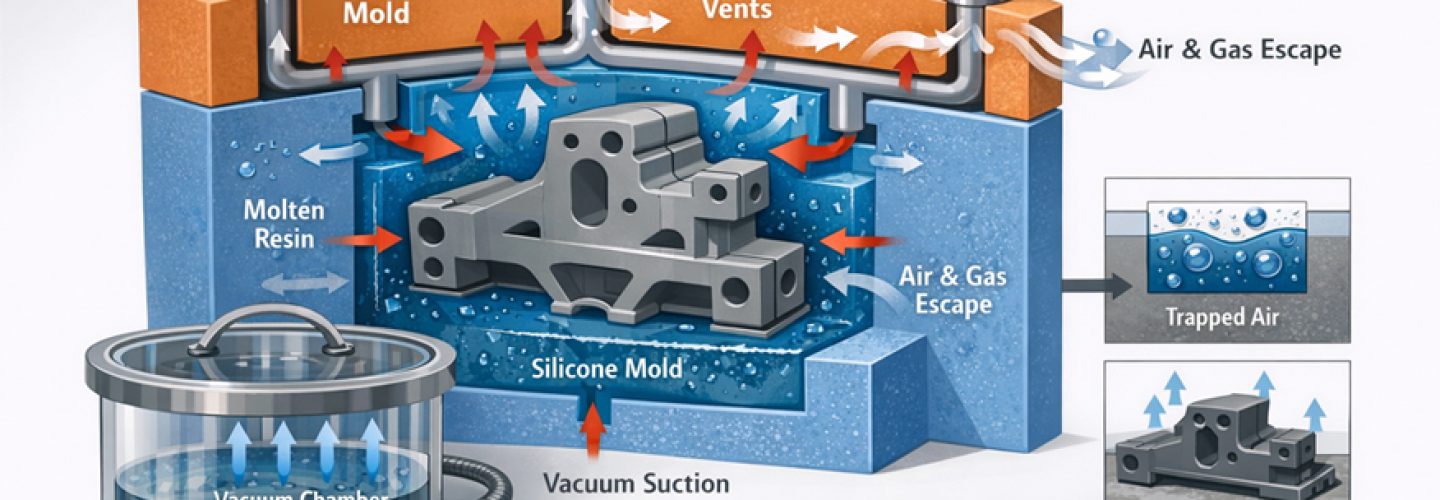
Creating flawless resin casts might seem challenging, but silicone molds for resin make the process much easier. These flexible and durable molds allow you to craft intricate designs effortlessly. Interestingly, the silicone market is projected to grow at an impressive 6.0% annual rate by 2030, highlighting their rising popularity in resin casting! Key Takeaways Silicone molds are bendable and strong, perfect for making detailed resin items without breaking them. Preparing well is important: clean the molds and spray mold release to make removing resin easier. Mix resin slowly and pour gently to stop bubbles; use a heat gun to remove…
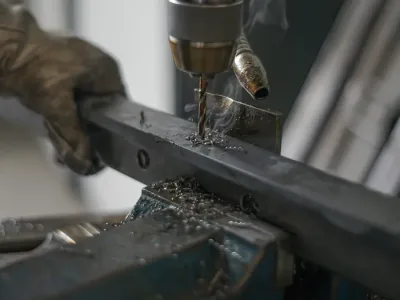
Image Source: pexels Climb vs conventional milling are two basic machining methods. In climb milling, the cutter spins in the same direction as the material moves, resulting in smoother finishes and reduced cutting forces. On the other hand, conventional milling operates differently; the cutter spins against the material's movement, which can generate more heat and increase tool wear. Understanding the differences between climb vs conventional milling is crucial for machinists. Climb milling produces smoother surfaces by pushing chips behind the cut, while conventional milling moves chips upward, potentially damaging the surface finish. Choosing the appropriate method not only extends tool…

Image Source: pexels Silicone cake moulds have revolutionised baking with their flexibility and durability. These moulds are non-stick, ensuring cakes release effortlessly without crumbling. They have become increasingly popular due to their practicality, especially as home baking continues to grow in popularity. Whether you are a novice or a seasoned baker, silicone cake moulds make baking simple and flawless. Key Takeaways Silicone moulds do not stick, so cakes come out easily. You don’t need much grease, making baking healthier with less fat.Fill silicone moulds about two-thirds full to stop spills. This helps cakes bake evenly. Place them on a baking…

Silicone moulds have revolutionised baking and crafting due to their ease of use. Their non-stick surfaces make them ideal for intricate designs. Perfect for cakes, chocolates, resin, and soap projects, these moulds are increasingly sought after as more people embrace custom and eco-friendly tools. With the growing popularity of home cooking and crafting, silicone moulds enable creative designs while being both practical and visually appealing. Key Takeaways Silicone moulds are useful for baking and crafting. They have non-stick surfaces, so items come out easily without breaking. Use food-safe silicone moulds for baking to stay safe. Check for FDA-approved labels to…
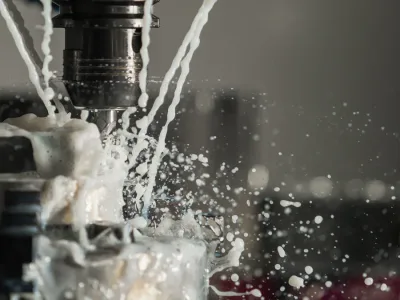
CNC milling machines, controlled by computers, are essential tools in modern manufacturing. They precisely guide cutting tools to remove material with accuracy, playing a crucial role in producing detailed and precise components. The demand for CNC milling machines increases by 12% annually, driven by advancements in automation and improved technology. Integrating CNC milling machines with robotic systems accelerates production processes and addresses the challenge of a shortage of skilled workers. These machines enhance operational efficiency, making them indispensable for industries in the present day. Key Takeaways CNC milling machines are important in today's manufacturing. They make precise and complex parts…

Yield strength vs tensile strength are critical material properties that reveal how materials respond to stress. Yield strength refers to the point at which a material begins to deform permanently, while tensile strength is the maximum stress a material can endure before it fractures. These properties play a vital role in science and engineering, as they help us understand how materials perform under heavy loads or extreme forces. For instance, a 2018 study demonstrated that recycling AlSi10Mg improved tensile strength by 10% but had minimal impact on yield strength. Another study observed a 3-4% reduction in both yield strength vs…

Understanding the melting temperature of plastic is crucial for making informed decisions in various projects. Different plastics have unique melting temperatures when exposed to heat. Being aware of the melting temperature of plastic helps prevent errors and material issues. Manufacturers rely on this knowledge to ensure quality, while designers use it to select plastics that offer the right balance of strength and durability. Hobbyists also benefit by crafting safely and efficiently. By learning about the melting temperature of plastic, you can achieve better outcomes and minimize waste in any project. Key Takeaways Knowing plastic melting points helps pick the right…
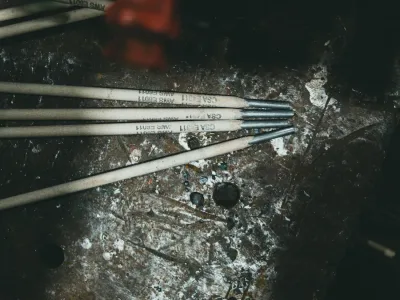
Picking the right stainless welding rod is very important. It helps make strong and long-lasting welds. The correct rod works well with the base metal. It lowers the chance of cracks and makes better welds. For example, a 309L rod joins carbon steel to stainless steel. It gives a ferrite content of 14-16 FN, stopping weld problems. High-carbon steel might need a 312 rod. This rod gives ferrite levels of 70-90 FN, which stops cracks. Also, hydrogen moves slower in stainless welds than in carbon steel. So, choosing the right rod avoids mistakes. Here are five reliable brands for stainless…

Titanium does not rust like steel or iron, leading many to wonder, "can titanium rust?" The answer is that it does not rust because it contains no iron, which is the primary cause of rust. Instead, titanium forms a thin oxide layer for protection, typically measuring 3–7 nanometers in thickness. This protective layer can become stronger with special treatments, such as heating. Studies indicate that longer heating times enhance its toughness and longevity. However, it is important to note that titanium can corrode under certain conditions, including exposure to acids, salt, or extremely high heat. Despite this, titanium’s rust resistance…

You might wonder, is bronze magnetic? Generally, bronze, along with brass and copper, is not magnetic. These metals don’t exhibit a strong pull or push on magnets. However, certain bronze alloys containing iron can be slightly magnetic. Similarly, metals like aluminum, titanium, and brass are also not magnetic. Key Takeaways Bronze, brass, and copper are not magnetic. This makes them great for tools and art. Some bronze and brass alloys may be slightly magnetic. This happens if they have iron or nickel, but it is uncommon. Knowing what these metals are made of helps pick the right one. This is…

Resin art is all about creating shiny, beautiful items with liquid resin. You can make coasters, jewelry, or unique trays. It’s a blend of crafting and science! If you’re just starting out, silicone molds are incredibly useful. They are flexible, reusable, and shape resin perfectly. Consider them essential tools for beginners to learn the craft. They’re user-friendly, ensuring your projects turn out beautifully. For newcomers, using silicone molds is the simplest way to dive into resin art without any stress. Key Takeaways Silicone molds are great for beginners in resin art. They bend easily, can be reused, and are simple…
Want to convert your CAD design into a sample prototype or small-batch production? Upload your files and get a fast and accurate quote.