LKprototype
When you're looking for the best method to produce your parts, it's essential to consider vacuum casting vs CNC machining accuracy. CNC machining is generally more accurate than vacuum casting, making it a superior choice for small spaces and complex shapes. Precision is crucial in manufacturing, as it enhances quality, reduces errors, and saves time. Mistakes can occur on assembly lines, contributing to approximately 23% of all quality issues, which can be costly for companies each year. By evaluating vacuum casting and CNC machining accuracy, you can choose the most effective method, ultimately saving money and gaining a competitive edge.
Key Takeaways
CNC machining gives better accuracy than vacuum casting. It works well for complex shapes and tight tolerances.
Vacuum casting costs less for small batches. It helps make quick prototypes. You do not need expensive molds.
Think about material properties and mold quality. These things affect the accuracy and quality of parts made by both methods.
CNC machining is good for projects needing high precision and repeatability. It is used in industries like aerospace and medical.
Look at your project's needs, like speed, cost, and accuracy. This helps you pick the best way to make your parts.
Direct Accuracy Comparison Between Vacuum Casting and CNC Machining
Typical Tolerances: Vacuum Casting vs CNC Machining
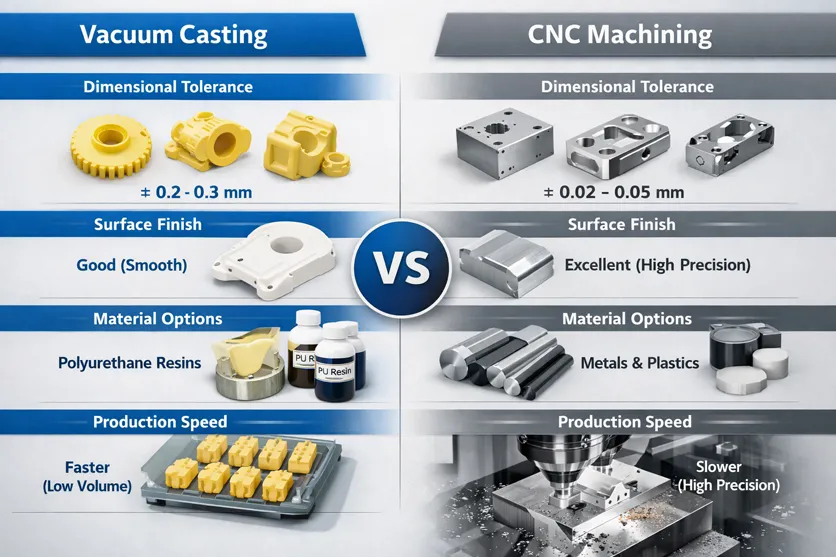
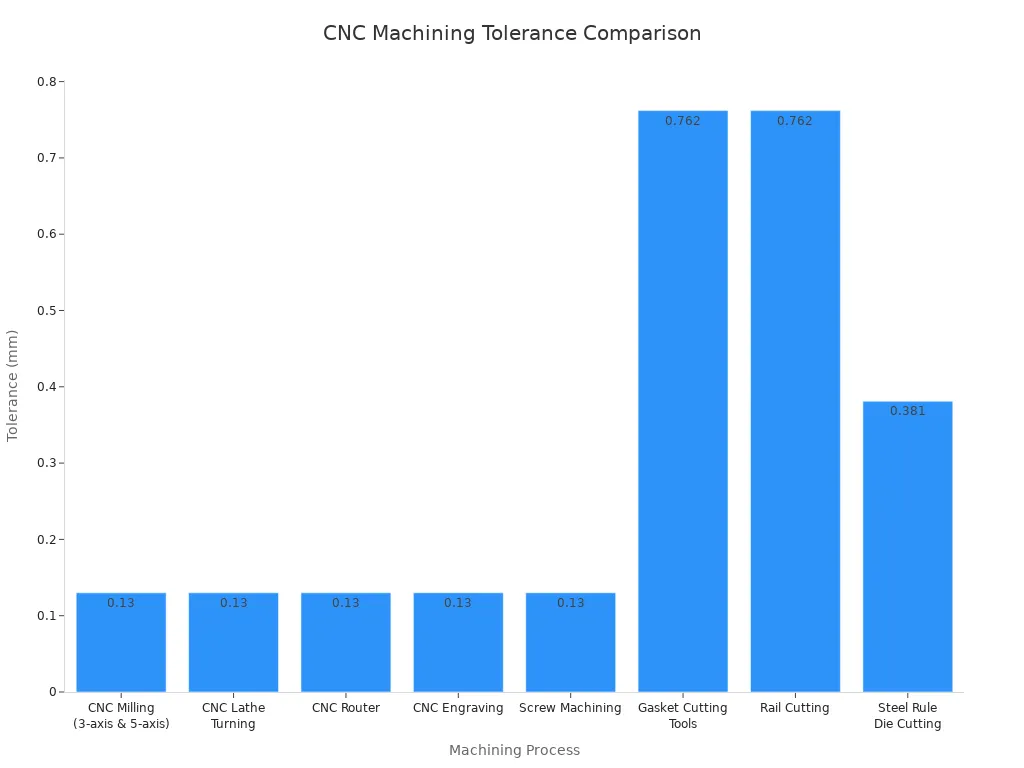
You might wonder how exact each method is. CNC machining can make parts with tight tolerances. Most CNC machines, like milling and lathe, can reach ±0.005″ (0.13 mm). Vacuum casting usually gets ±0.3 mm to ±0.55 mm. This gap is important if you need parts to fit together well.
CNC Machining Process | Typical Tolerance |
|---|---|
CNC Milling (3-axis & 5-axis) | ± 0.005″ (0.13 mm) |
CNC Lathe Turning | ± 0.005″ (0.13 mm) |
CNC Router | ± 0.005″ (0.13 mm) |
CNC Engraving | ± 0.005″ (0.13 mm) |
Screw Machining | ± 0.005″ (0.13 mm) |
Gasket Cutting Tools | ± 0.030″ (0.762 mm) |
Rail Cutting | ± 0.030″ (0.762 mm) |
Steel Rule Die Cutting | ± 0.015″ (0.381 mm) |
Surface Finish | 125 RA (average roughness) |
If you want more info, you can visit the CNC machined parts service page or the vacuum casting service page.
Dimensional Stability and Repeatability
Dimensional stability means your parts stay the same size each time. Repeatability shows how well a process makes parts that match. CNC machining gives high dimensional stability and repeatability. You can get tolerances from ±0.0127 mm to ±0.127 mm. Vacuum casting gives tolerances from ±0.3 mm to ±0.55 mm. Mold quality and material shrinkage affect vacuum casting more than CNC machining.
Manufacturing Method | Tolerance Range | Notes |
|---|---|---|
CNC Machining | ±0.0127 mm to ±0.127 mm | Good for projects needing tight tolerances and high accuracy. |
Vacuum Casting | ±0.3 mm to ±0.55 mm | Depends on master model quality, mold accuracy, and material shrinkage; best for visual models and small batches. |
Surface Finish and Detail Resolution Comparison
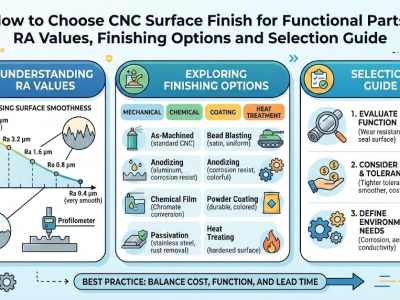
Surface finish and detail resolution help parts look and feel smooth. CNC machining makes a surface finish of 125 RA (average roughness). You get sharp edges and fine details. Vacuum casting copies the surface of the master model, but it may not be as smooth or detailed as CNC machining. If you want a part with a shiny look or tiny features, CNC machining is the better option.
Tip: When you compare vacuum casting vs cnc machining accuracy, think about tolerances, repeatability, and surface finish. These factors help you pick the best process for your project.
Factors Influencing Accuracy in Vacuum Casting and CNC Machining
Material Properties and Shrinkage Effects
It is important to know how materials act during manufacturing. In vacuum casting, the kind of plastic and how it cools can change part size. Some plastics shrink more than others. This shrinking can make parts smaller than you want. For parts up to 150 mm, the tolerance is about ±0.3 mm to ±0.55 mm. Bigger parts might need extra checks because shrinking can be different. The master mold’s accuracy is important too. If the mold is not perfect, your parts will not be perfect. In CNC machining, the hardness of the material and how it reacts to cutting tools change the final size. Materials that do not shrink much give more steady results.
Mold Quality and Tooling Precision
The quality of your mold or tool shapes the finished part. In vacuum casting, a good master mold helps you get better accuracy and a nice surface. If the mold has mistakes, every part will have them too. In CNC machining, sharp and exact tools cut parts to the right size. Tools can wear out and change the size, so you need to check them often. Good molds and tools help you avoid mistakes and reach your design goals.
Mold quality and tooling precision are important for both methods.
Good molds and tools give better results and fewer mistakes.
The shape of your part can also change how accurate the final part is.
Machine Type: 3-Axis vs Multi-Axis CNC Accuracy
The kind of CNC machine you use changes how accurate you can be. Here is a simple comparison:
Machine Type | Accuracy | Complexity Handling | Best Use Case |
|---|---|---|---|
3-Axis | Lower | Simple designs | Basic parts |
4-Axis | Moderate | More complex shapes | Advanced parts |
5-Axis | Higher | Intricate designs | Sophisticated items |
A 3-axis machine is good for simple parts. If you need hard shapes or very tight tolerances, a 5-axis machine is best. Multi-axis machines help you make parts with more detail and better accuracy.
Post-Processing and Surface Treatment Impact
After making a part, you may need to finish it. Steps like sanding, polishing, or coating can make your part look and work better. These steps take away sharp edges and make surfaces smoother. Good surface treatments can make parts stronger and last longer. They also help parts fit together better. In both vacuum casting and CNC machining, finishing steps can make the final accuracy and quality better.
Tip: Always think about how finishing will change your part’s size and shape. Even small changes can matter when you need high accuracy.
When you compare vacuum casting vs cnc machining accuracy, remember that material choice, mold quality, machine type, and finishing steps all matter for the final result.
Cost and Quality Comparison: Vacuum Casting vs CNC Machining
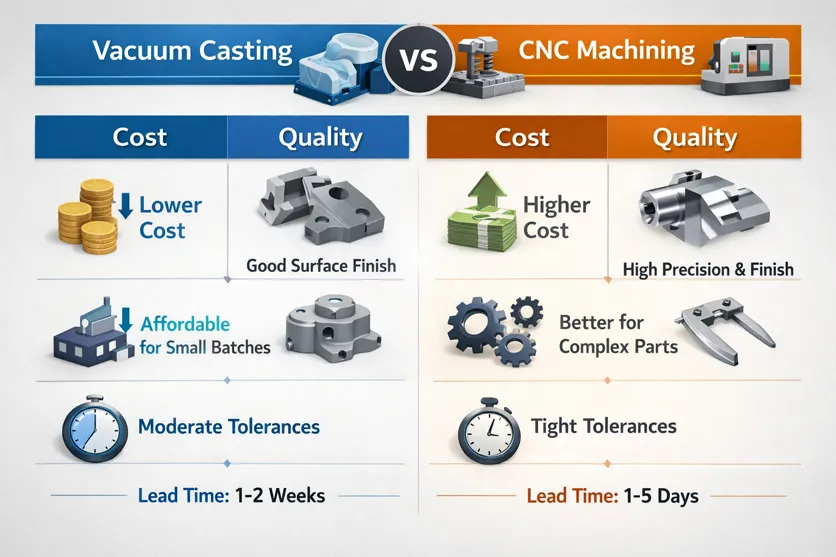
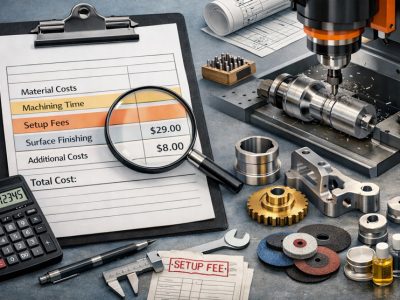
Cost Breakdown: Tooling, Setup, and Production Volume
You should check costs before picking a process. Vacuum casting is cheaper if you make more than 10 parts. The price for each part goes down as you make more. CNC machining is good for parts that need high precision. It does not need a mold, so setup costs are lower.
Vacuum casting needs a master mold, so you pay more at first.
CNC machining starts fast because you do not need a mold.
To compare prices, look at the CNC machined parts service page and the vacuum casting service page.
Tip: CNC machining saves money for small batches. Vacuum casting is better for big runs because the price per part is lower.
Cost vs Accuracy Trade-Off
You have to think about cost and accuracy when choosing. The table below shows how vacuum casting and CNC machining compare:
Decision Factor | Vacuum Casting | CNC Machining | Preferred Method | Reason |
|---|---|---|---|---|
Upfront spend | Higher | Lower | CNC Machining | No mold tooling needed |
Unit price at volume | Lower | Higher | Vacuum Casting | Mold output scales |
Change cost | Higher | Lower | CNC Machining | Program edits are faster |
Waste | Lower | Higher | Vacuum Casting | More near-net shape output |
Tight fits | Needs finishing | Strong | CNC Machining | Better control of faces |
Vacuum casting is best for making lots of parts and less waste. CNC machining is good for quick changes and tight fits.
Part Quality Comparison: Strength, Surface, and Consistency
Vacuum casting makes parts like injection molding. You get strong parts and good accuracy. It works for complex shapes and gives nice details. But vacuum casting is not as precise or stable. CNC machining is more accurate and repeatable. You get parts that are always the same and very precise. Vacuum casting is slower and uses manual steps, so it is less scalable. CNC machining gives reliable results every time.
Note: When you compare vacuum casting and CNC machining, think about part strength, surface finish, and consistency. Pick the process that fits your project needs best.
Precision Machining vs Casting: Performance in Real Applications
Prototyping Applications
People use vacuum casting and CNC machining to make prototypes. CNC machining makes working prototypes with tight tolerances. You can pick metals or plastics for your parts. Vacuum casting is good for checking designs and making show models. It uses plastic resins and elastomers. You get your parts fast after making the master pattern. If you want to change your design, CNC machining lets you update the CAD file. For vacuum casting, you need a new master pattern if you change something.
Feature | CNC Machining | Vacuum Casting |
|---|---|---|
Speed | Slower because of the cutting steps | Faster after the master pattern is made |
Materials | Many choices like metals and plastics | Only plastics and elastomers |
Tolerances | Makes parts with tight tolerances | Tolerances are not as tight as CNC |
Modifications | Easy to change with CAD files | Need a new master pattern for changes |
Budget | Costs more for small amounts | Cheaper for 1-50 parts |
Purpose | Great for working prototypes | Best for checking designs and displays |
Low-Volume Production
Vacuum casting is a smart pick if you need 1-50 parts. It saves you money and time. The process is quick after the master pattern is ready. CNC machining is better if you need 100 or more parts. You can use lots of materials with CNC machining, like metals and composites. Vacuum casting only works with plastics and elastomers. If you need very tight tolerances, CNC machining is the best way. Vacuum casting can make good parts, but not as exact as CNC machining.
Vacuum casting is cheaper for small batches.
CNC machining is better for bigger amounts and more material choices.
You can change CNC machined parts easily with digital files.
High-Precision Functional Parts
Some industries need high-precision parts, like cars, medical, and electronics. CNC machining gives you the best accuracy. You can pick the right material and set the toolpath for tight tolerances. You must follow rules for safety and how things work. Vacuum casting can make detailed parts, but CNC machining is better for working prototypes that must fit and work just right.
Car makers use both methods for inside and outside prototypes.
Electronics need light and strong CNC machined parts.
Medical tools need custom parts with exact sizes.
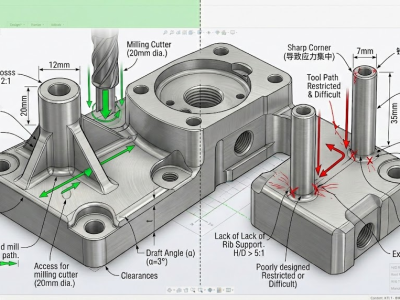
Complex Geometries and Tight Tolerances
It is hard to make parts with tricky shapes and tight tolerances. Vacuum casting can copy detailed designs very well. It can reach accuracy up to ±0.1 mm. CNC machining can do even tighter tolerances and tough shapes, especially with multi-axis machines. You need to know about tolerance types, like unilateral, bilateral, and limit tolerances, to get your design right.
Tolerance Type | Description |
|---|---|
Unilateral Tolerance | The size can change in one direction only. |
Bilateral Tolerance | The size can change in both directions. |
Limit Tolerances | Sets the smallest and biggest sizes you can have. |
Tip: When you compare vacuum casting and CNC machining accuracy, think about how hard your part is to make and what tolerance you need. Pick the process that fits your project best.
When to Use Vacuum Casting
Best for Rapid Prototypes
You want to know how your product will look and feel. Vacuum casting helps you make prototypes fast. These prototypes are almost like the real thing. You can try out different designs quickly. This process lets you make many versions in a short time. It can make your testing time up to 80% shorter. The surface is smooth and looks like injection-molded parts. Many companies use vacuum casting to test ideas and save money. For example, a medical company saved $28,000 by testing many designs in one week. The process uses silicone molds. These molds show small details and get rid of air bubbles. You get high-quality prototypes with no defects every time.
Makes working prototypes that look and act like the real thing
Lets you make new versions fast
Gives a surface finish like injection molding
Helps you save money on design changes
Ideal for Small Batch Plastic Parts
Vacuum casting is best when you need a few plastic parts. You can make 5 to 15 pieces from one silicone mold. This lowers the cost for each part. The wait time is short, usually 7 to 10 days. You do not need to spend extra time or money on making molds. The process copies your design very well, with a 99.8% match rate. This means almost every part is just like your design. You also get parts with no sharp edges, which makes them better quality.
Advantage/Feature | Description |
|---|---|
Low production cost | Each mold makes 5-15 parts, so each part costs less than other ways. |
Short production cycle | Wait time is 7-10 days, so you get parts faster. |
Free mold development | No extra cost for making molds, which saves time and money. |
High degree of replication | 99.8% match rate, so there are fewer bad parts. |
Suitable for small batch runs | Good for custom orders and high-tech jobs. |
Exquisite workmanship | No sharp edges, so you get high-quality parts. |
If you want to know more about vacuum casting, visit the vacuum casting service page.
Budget-Sensitive Projects
Sometimes you need to keep costs low. Vacuum casting is a smart choice for saving money. The cost for tools is lower than other casting methods. For example, vacuum die casting costs $25,000 to $60,000. Squeeze casting can cost 40% more. The price for each part is also lower, so you save money. The total cost stays fair because the machines do not wear out as fast as other methods. You get good value and still have good quality.
Category | Vacuum Die Casting | Squeeze Casting |
|---|---|---|
Tooling Investment | $25,000 - $60,000 | $35,000 - $80,000 (+40%) |
Piece Price | Lower | 15-25% higher |
Total Cost of Ownership | Medium machine wear | More energy used |
When you compare vacuum casting and cnc machining accuracy, vacuum casting gives you a good mix of quality, speed, and cost. You should also think about things like how tough the parts are, how strong they need to be, how many you need, and if they meet safety rules.
Criteria | Description |
|---|---|
Environmental Resilience | Materials can handle hard things, like heat or chemicals. |
Mechanical Characteristics | Parts are strong, last long, or bend if needed. |
Production Volumes | Best for small or medium amounts, not for huge numbers. |
Regulatory Compliance | Materials are safe and can be used for health or food. |
Tip: Vacuum casting is a great pick when you need fast, low-cost, and high-quality plastic parts in small amounts.
When to Use CNC Machining
Tight Tolerance Requirements
Pick CNC machining if your project needs tight tolerances. Many industries, like medical and aerospace, need parts that fit perfectly. CNC machining helps you meet strict rules. CNC machines can make parts with tolerances as small as ±0.0001 inches. This accuracy is important for safety and performance. Computers control CNC machines, so mistakes are rare. You get the same results every time.
CNC machining makes parts that fit and work well.
Clear tolerances help you save time and money.
CNC experts can help you choose the best process.
Metal Components with Structural Load
CNC machining is best for metal parts that must handle heavy loads. You can use strong metals like steel and titanium. These metals have high tensile strength, so they do not break easily. Stainless steel can reach 500-750 MPa. Titanium alloys can go over 1,000 MPa. CNC machines can make parts with tolerances up to ±0.01 mm. Your parts will fit together well and last longer.
Evidence Type | Description |
|---|---|
Precision | CNC machines reach tolerances up to ±0.01 mm. This helps parts fit perfectly in complex assemblies. |
Strength | Steel has high tensile strength and resists wear. It is great for heavy-load parts. |
Application | Used in industries needing strength, precision, and durability. |
Example | TiRapid made 4140 steel drive shafts with ±0.02 mm tolerance for racing. This improved fatigue life by 25%. |
You can use CNC machining for parts in cars, planes, and machines. These parts need to be strong and reliable.
High Dimensional Accuracy and Repeatability
Use CNC machining when you need high accuracy and repeatability. CNC machines use computers to make sure every part is the same. This is important for aerospace and medical jobs. Even small mistakes can cause big problems. CNC machining can reach tolerances within ±0.0001 inches. Automated features, like tool changes and coolant systems, keep the process smooth and quality high.
When you compare vacuum casting vs CNC machining accuracy, CNC machining is best for projects needing high precision, strong metal parts, and repeatable results.
Criteria | Description |
|---|---|
Functional Requirements | Pick materials based on what your part needs, like stress and environment. |
Lead Time | How fast you get your parts depends on material sourcing time. |
Machinability | Easy-to-machine materials help you save time and money. |
Cost Control | Choosing the right material helps control costs and avoid waste. |
Surface Finish Requirements | Material choice affects how smooth or shiny your part can be after finishing. |
Decision Guide: Choosing Between Vacuum Casting and CNC Machining
Prototyping vs Production Volume
You have to choose if you want prototypes or lots of parts. Vacuum casting is great for making prototypes and small batches. CNC machining is better for big jobs and when you need high precision. The table below shows how vacuum casting works for prototypes and small production:
Factor | Vacuum Casting Advantages | Vacuum Casting Limitations |
|---|---|---|
Cost-Effectiveness | Good for small and medium runs | Not good for making lots of parts |
High-Quality Results | Makes smooth surfaces and accurate sizes | Parts may not last as long as other methods |
Material Versatility | Uses many materials, like different resins | Only works with materials that can be cast |
Speed | Fast process, perfect for quick prototypes | Hard to make very thin parts |
Customization | Can make complex shapes and custom designs |
Tip: If you need a few parts quickly, vacuum casting is a smart pick. For bigger projects, CNC machining gives you more choices.
Material Selection and Budget Constraints
You need to pick the best material for your parts. Vacuum casting uses plastics and resins. CNC machining lets you use metals, plastics, and composites. If you want to save money, vacuum casting costs less for tools. CNC machining costs more for each part but uses stronger materials. Think about your budget and what your part needs to do.
Vacuum casting is good for cheap, plastic parts.
CNC machining is best for strong, metal parts.
Tolerance Requirements and Part Complexity
You need to know how exact your parts must be. CNC machining gives tight tolerances and makes tricky shapes. Vacuum casting copies details well but is not as accurate as CNC machining. If your part must fit perfectly, pick CNC machining. If you want a simple shape or a model, vacuum casting works.
CNC machining is best for tight fits and hard designs.
Vacuum casting is good for simple shapes and models.
Speed vs Accuracy Considerations
You must choose between speed and accuracy. Vacuum casting gives you parts fast. CNC machining takes longer but is more accurate. If you need parts quickly and do not need tight fits, vacuum casting is best. If accuracy is most important, pick CNC machining.
Callout: Always compare vacuum casting vs cnc machining accuracy before you start your project. Speed, cost, and precision help you make the right choice.
FAQ
Is vacuum casting less accurate than CNC machining?
Vacuum casting is not as accurate as CNC machining. CNC machines use computers to cut parts very exactly. Vacuum casting uses molds and materials that can shrink or change shape. If you need parts to fit just right, CNC machining works better.
Note: CNC machining is best for jobs that need high precision.
What tolerances can vacuum casting achieve?
Vacuum casting can make parts with tolerances from ±0.3 mm to ±0.55 mm. The size of your part and the material can change these numbers. Bigger parts might have more changes in size. You should look at your design to see if these tolerances are okay for your project.
How accurate is CNC machining compared to casting?
CNC machining is much more exact than casting. You can get tolerances as small as ±0.005″ (0.13 mm) or even less. CNC machines do the same thing every time, so your parts stay the same. Casting, like vacuum casting, cannot be this exact.
Process | Typical Tolerance | Repeatability |
|---|---|---|
CNC Machining | ±0.005″ (0.13 mm) | High |
Vacuum Casting | ±0.3 mm to ±0.55 mm | Moderate |
Which process provides better surface finish?
CNC machining gives a smoother surface finish. You can see sharp edges and small details. Vacuum casting copies the master model’s surface, but it may not be as smooth. If you want a shiny look or tiny features, CNC machining is the better choice.
Tip: Always think about surface finish when you compare vacuum casting vs cnc machining accuracy.
When should I choose vacuum casting over CNC machining?
Pick vacuum casting if you need prototypes fast or a few plastic parts. Vacuum casting costs less for tools and is good for saving money. If you do not need tight fits or metal parts, vacuum casting is a smart pick.
Use vacuum casting for quick prototypes.
Pick vacuum casting for small batches.
Choose vacuum casting to save money.
You know the main ways vacuum casting and CNC machining are different. CNC machining makes parts more accurate and the same every time. Vacuum casting costs less if you need a few parts or fast samples. Think about what your project needs, like how exact the parts must be, what material you want, and how much money you can spend. Choose the method that fits what is most important for you. If you are not sure, talk to someone who knows a lot about these methods.
Tip: Always pick the process that matches your goals to get the best results.