LKprototype
 When selecting plastics for vacuum forming, choosing the right material is crucial for achieving the desired results in your project. This guide explores the most commonly used plastics, such as ABS, Polycarbonate, HDPE, and PVC, detailing their properties and applications. You’ll learn which plastic best suits your needs, whether for automotive parts, food packaging, or other applications.
Key Takeaways
Vacuum forming is a cost-effective and efficient manufacturing process that shapes plastic using heat and suction, widely used across various industries for producing lightweight and durable components.
Commonly used plastics in vacuum forming include ABS, Polycarbonate, HDPE, and PVC, each offering unique properties suitable for different applications, while specialty materials like Acrylic and PETG serve niche needs.
The advantages of vacuum forming include lower tooling costs, faster production cycles, and design flexibility, making it an attractive option for prototypes and small batch productions, although it is less effective for thick, highly detailed designs.
Overview of Vacuum Forming

The process of vacuum forming is a technique used to shape plastic by utilizing heat and suction against a mold. At its core, the vacuum forming process entails bringing a plastic sheet to a pliable state through heating before using vacuum pressure to contour it into the desired form. Typically, extruded plastics specifically designed for vacuum forming are employed instead of raw polymers or resins, providing an optimized approach for numerous applications.
Vacuum forming is recognized for being cost-efficient and effective, making it suitable for various uses. It’s an extensively applied method valued for its flexibility and broad utility across different sectors. The creation of parts ranging from automotive components to common consumer items illustrates this versatility. Within industries such as automotive manufacturing, healthcare equipment production, and household goods fabrication, this technique plays an essential role in crafting lightweight yet robust pieces.
Executing the vacuum forming process involves several key steps.
Securing the plastic sheet.
Heating until malleability is achieved.
Implementing vacuums pressure around a mold.
4.Cooling down after formation,
5.Trimming any superfluous material,
This procedure not only promotes efficiency but also enables producing detailed part features with high durability.
Regardless of whether one employs expansive industrial machines or smaller-scale DIY setups tailored towards personal projects, vacuumforming proves integral within modern manufacturing landscapes involving plastics shaping methods.
Commonly Used Plastics in Vacuum Forming
In the process of vacuum forming, selecting the appropriate plastic is essential. ABS (Acrylonitrile Butadiene Styrene), PC (Polycarbonate), HDPE (High-Density Polyethylene), and PVC (Polyvinyl Chloride) are among the most frequently utilized materials. These plastics possess distinct qualities that render them apt for various uses, including automotive components and food packaging.
Grasping the distinctive attributes of these plastics will aid in making knowledgeable choices for your projects involving vacuum forming.
ABS (Acrylonitrile Butadiene Styrene)
Renowned for its exceptional resistance to impact, ABS is highly respected within sectors such as automotive and consumer products due to its robustness. This material’s combination of durability and economical pricing renders it a prevalent option for fabricating diverse items that range from housings for machines and electronics to toys.
Given ABS’s adaptability coupled with its cost benefits, it continues to be widely favored in the process of vacuum forming.
Polycarbonate (PC)
Renowned for its remarkable durability and resistance to heat, polycarbonate serves as an indispensable material for products such as safety guards and protective gear. Its impact strength surpasses that of glass by a considerable margin, underscoring its importance in applications where safety is paramount.
The ability of polycarbonate to withstand high temperatures ensures its performance remains consistent even under strenuous conditions, confirming it as a dependable option for use in demanding settings.
High-Density Polyethylene (HDPE)
HDPE is highly regarded for its resistance to chemicals, which lends itself well to creating durable containers. Its exceptional malleability makes it a popular material in the packaging industry, notably for producing food containers and components for automobiles.
The combination of HDPE’s resilience against chemical damage and its adaptability renders it an ideal option for numerous applications.
Polyvinyl Chloride (PVC)
Due to its considerable strength and resilience, PVC stands out as an exceptionally adaptable material that can be employed for numerous purposes, including construction components and packaging utilized in the medical sector. Its flexibility and toughness make it an excellent choice for a broad spectrum of applications.
The use of PVC remains prevalent across various sectors, encompassing everything from manufacturing plumbing pipes to producing transparent packaging films.
Specialty Plastics for Vacuum Forming
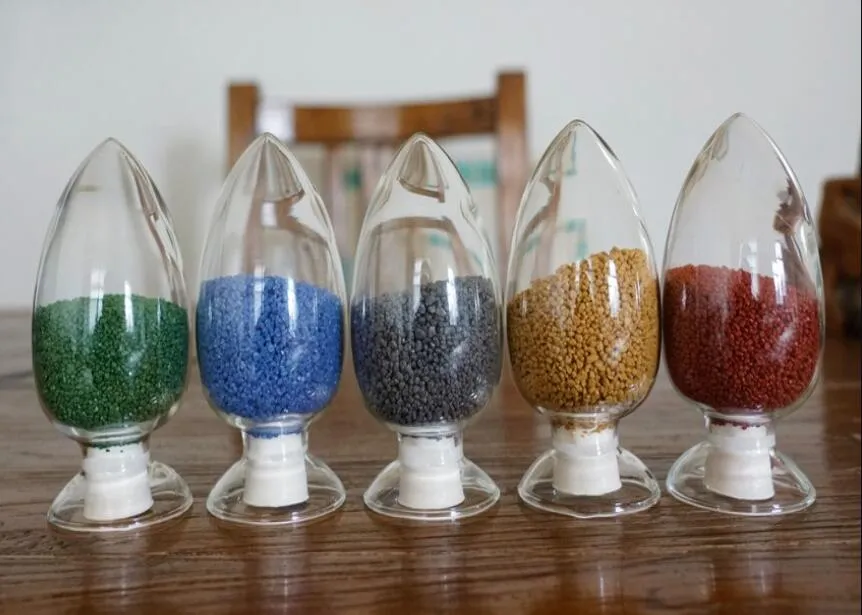
Vacuum forming is a process that can utilize a range of plastic materials, including specialized types which provide exceptional characteristics for various niche applications. Materials such as Acrylic, PETG (Polyethylene Terephthalate Glycol), and ASA (Acrylonitrile Styrene Acrylate) are particularly beneficial due to the unique advantages they offer.
When choosing plastics for specific endeavors, these specialty materials are frequently chosen because they exhibit qualities like high transparency, resistance to ultraviolet light or conforming with FDA regulations—qualities that are essential for use in food and medical packaging.
Acrylic
Acrylic stands out for its remarkable clarity, perfectly suited for uses that demand a transparent view such as displays and outdoor signs. This material demonstrates considerable resistance to the elements, which guarantees its durability when used outdoors.
The combination of acrylic’s transparency and ability to withstand weather conditions renders it perfect for endeavors where both visual appeal and practical utility are important.
PETG (Polyethylene Terephthalate Glycol)
PETG stands out due to its remarkable resistance to impact, which renders it perfectly suited for intricate thermoforming processes. This material has secured FDA approval, thereby ensuring its suitability for use in both food and medical packaging endeavors.
The combination of PETG’s robust impact resilience and adherence to safety protocols renders it a versatile option for a multitude of projects.
ASA (Acrylonitrile Styrene Acrylate)
ASA is highly resistant to UV rays, which makes it an apt material for outdoor use where sunlight exposure is significant. It possesses improved resistance to weather conditions, rendering it perfect for items such as garden furniture and components used in automobiles.
The durability and UV stability of ASA contribute to its popularity for external applications.
Selecting the Right Plastic for Your Project
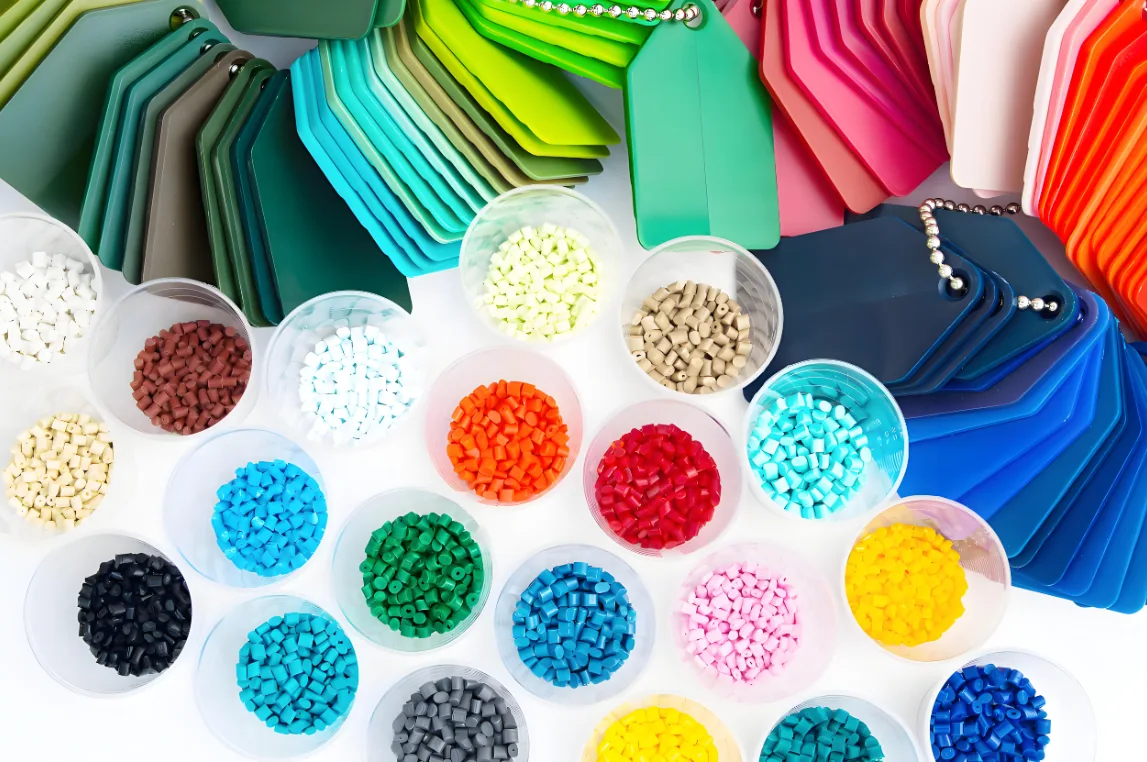
When selecting the ideal plastic for a project, it is essential to assess various characteristics including its ability to withstand temperature and physical impacts, how easily it flows during processing, and the extent of size change after cooling. Plastics like ABS and PET are frequently chosen because they can be recycled and repurposed within production cycles, which may lead to savings in material expenses.
Compared to injection molding, vacuum forming often emerges as the more economical choice for producing smaller quantities due to significantly reduced tooling costs. With modest initial investments required, this method remains a cost-effective solution for annual productions ranging from 250-300 units.
Vacuum forming stands out with its adaptability in working with multiple materials while offering ease in implementing design changes without heavy financial implications. This combination of low expense and high flexibility positions vacuum forming as an appealing manufacturing technique across varied projects.
The Vacuum Forming Process Step-by-Step
In the vacuum forming process, numerous critical steps are involved to ensure the creation of superior plastic components. Initially, a plastic sheet is secured in place and then heated until it softens and becomes malleable. Following this, a vacuum is used to exert pressure that molds the pliable sheet into the desired shape against a form. After shaping, the material undergoes cooling and subsequent trimming to produce the final part.
Employing this sequential methodology guarantees meticulous formation and effective production of each individual piece using vacuum forming techniques.
Heating the Plastic Sheet
Ensuring precise temperature management while heating the plastic sheet is essential for achieving consistent pliability, which facilitates successful forming. This strict temperature regulation helps avoid complications during the shaping phase and leads to the production of superior quality components.
By vigilantly overseeing the heating process, it’s guaranteed that the plastic attains an ideal level of flexibility needed for effective forming.
Applying Vacuum Pressure
Vacuum pressure is essential in the vacuum forming process as it creates a pressure differential that pulls the heated plastic tightly against the mold to achieve a precise vacuum formed shape. This pressure forming eliminates air, allowing the plastic to conform closely to the mold’s details.
Applying vacuum pressure molds the plastic around the mold’s contours, ensuring precise detail reproduction.
Cooling and Trimming
Once shaped, it’s essential for the plastic to undergo proper cooling before any trimming takes place. This process guarantees that the end component maintains its designated shape and size. As the plastic cools, it becomes solidified. Subsequently, trimming off surplus material is necessary to achieve the precise dimensions of the finished product.
Ensuring efficient cooling and meticulous trimming are crucial steps in attaining the specific final form desired for a plastic product.
Advantages and Limitations of Vacuum Forming
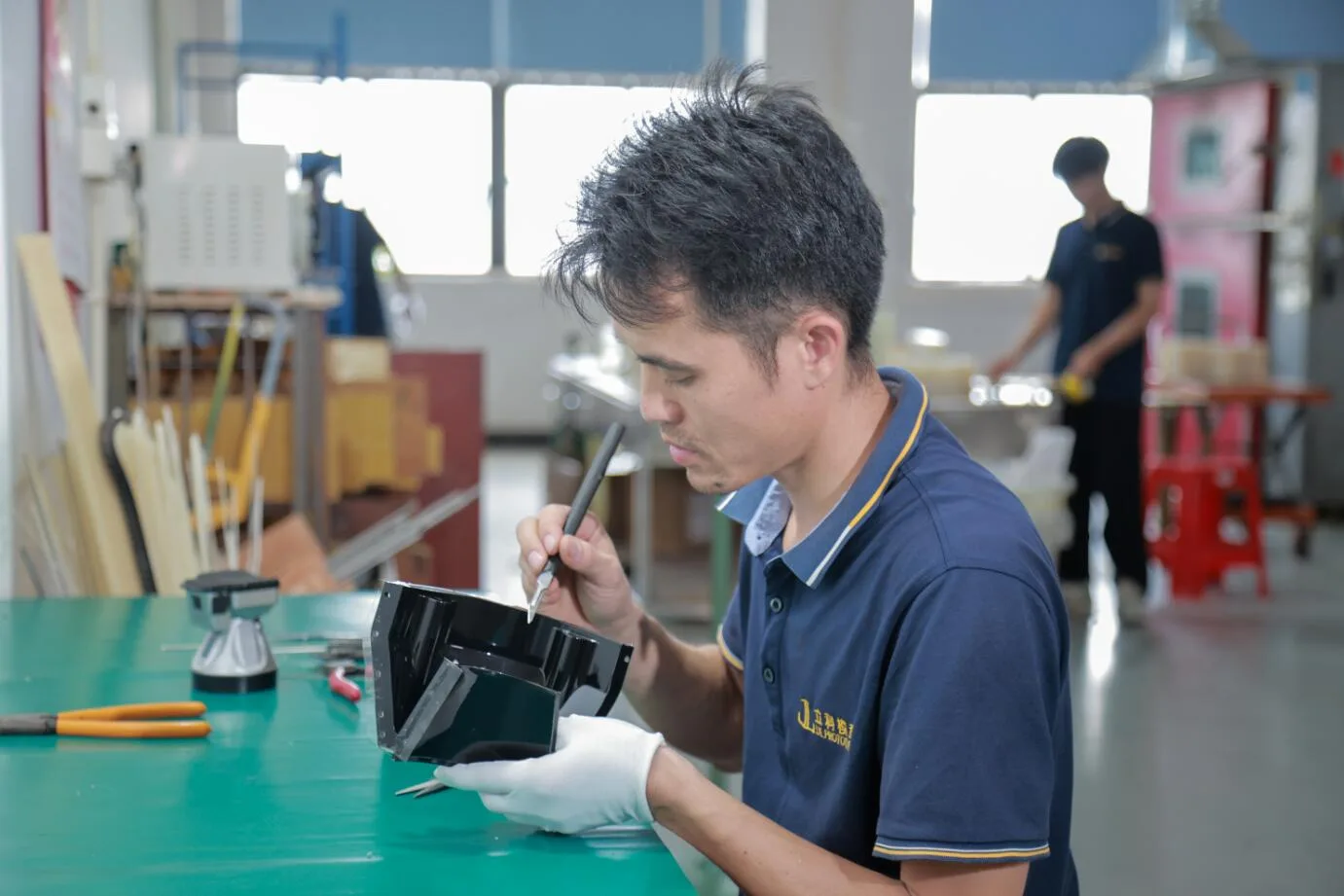
The process of vacuum forming is advantageous in numerous ways. It allows for the cost-effective production of prototypes and small runs because of reduced tooling expenses. It excels at creating intricate shapes swiftly, which is particularly beneficial for manufacturing shallow components across a diverse range of sectors.
On the other hand, this method struggles with generating products that necessitate substantial thickness and intricate detail. To improve its eco-friendliness, there’s an ongoing exploration into using bioplastics within the realm of vacuum forming.
Speed and Efficiency
The process of vacuum forming is beneficial for its rapid production cycles, making it extremely useful for creating prototypes and manufacturing limited quantities quickly. This swift turnaround positions vacuum forming as a prime choice for manufacturers needing expedited prototyping with shorter lead times.
The ability to reliably produce consistent parts through efficient mass production methods has led to widespread adoption of vacuum forming, especially among companies aiming to fabricate components on a large scale.
Cost-Effectiveness
Significant cost savings for projects, particularly in low-volume production scenarios, are achieved through the lower tooling costs associated with vacuum forming. This method not only incurs substantially lesser expenses but also allows for a quicker production timeframe compared to the more expensive and time-intensive tooling process of injection molding.
By minimizing reliance on new plastics, recycling serves as an effective strategy to cut down both material costs and the financial burden of waste disposal.
Design Flexibility
The manufacturing process of vacuum forming enables the production of custom parts featuring complex geometries and diverse thicknesses, providing a broad spectrum of design options. It is utilized in the fabrication of numerous automotive components such as bumpers and floor mats, thereby augmenting their potential for varied designs.
Vacuum forming’s capacity to seamlessly handle detailed configurations renders it a highly adaptable manufacturing technique.
Applications of Vacuum Forming

This method is extensively employed in numerous sectors due to the adaptability and efficiency of vacuum forming. It’s instrumental for manufacturing diverse components and packaging solutions, including automotive parts, medical devices, and food packaging. The process is crucial across these industries because it generates products that are not only lightweight and robust but also cost-effective, highlighting its widespread application and versatility.
Automotive Parts
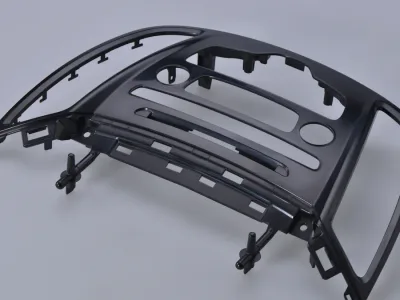
Vacuum forming serves as a multifaceted process in the automotive sector, employed to fabricate diverse components like bumpers and dashboards. Utilizing this technique contributes to lessening the mass of car parts and simultaneously curtails production expenses, thereby establishing it as an effective strategy for manufacturing.
The swift and efficient creation of custom parts underscores the critical role that vacuum forming plays in the production of automotive elements.
Medical and Food Packaging
Vacuum forming plays a crucial role in the production of containers suitable for food and medical packaging, as it is compatible with plastics that can be sterilized. These applications often utilize high-density polyethylene (HDPE) due to its ability to withstand acids and moisture, which is essential for preserving food items and protecting medical instruments.
The significance of vacuum forming extends to its ability to produce sterile, contamination-resistant packaging that meets FDA approval standards. This underscores its vital importance within the food storage and medical device industries.
Consumer Goods
The production of numerous consumer items, such as toys, housings for electronics, and travel products, heavily relies on the process known as vacuum forming. This technique provides a method of manufacturing that is both efficient and accurate, which renders it an economical option for mass-producing various consumer goods.
Vacuum forming’s ability to generate detailed patterns and tailored alternatives enhances its attractiveness within the marketplace for consumer goods.
Environmental Considerations in Vacuum Forming
The vacuum forming industry is under examination due to its dependence on non-renewable, petroleum-based plastics that contribute to environmental problems. The contamination of recyclables presents a significant challenge as impurities compromise the integrity of the recycled output. Steps are being taken to mitigate these environmental issues.
Innovations such as closed-loop recycling systems are becoming popular. They enable companies to manage their plastic waste in-house rather than relying on external sources for new material. There’s a shift towards eco-friendly materials like bioplastics derived from renewable resources, which align better with environmentally responsible vacuum forming practices.
These efforts reflect an overarching goal: minimizing the ecological impact associated with manufacturing plastics and fostering sustainable practices within the vacuum forming sector. Embracing these developments allows for continued innovation in this field while ensuring adherence to principles of environmental stewardship.
Summary
Vacuum forming stands as a highly adaptable and productive manufacturing technique, delivering numerous advantages to a variety of sectors. It plays an essential role in the fabrication of items ranging from vehicle parts to consumer products, including the realm of food and medical packaging. This method offers an economical and pliable approach for producing superior-quality plastic pieces. In vacuum forming projects, the success greatly depends on material selection. Alternatives such as ABS, polycarbonate, HDPE, and PVC each bring distinct characteristics that cater to particular needs.
As innovation marches forward alongside increasing environmental awareness, vacuum forming retains its significance within manufacturing operations with room for growth in response to changing industrial demands. A deep understanding of this process’s complexities coupled with judicious material choice enables us to unlock vacuum forming’s complete potential — leading to robustness efficiency, and eco-friendliness in product creation.This guide serves not only as your compass through the vast terrain, but also incites you when choosing wisely for future ventures utilizing vacuum-forming technology.
Frequently Asked Questions
What is vacuum forming and how does it work?
Vacuum forming is a manufacturing method that shapes plastic by heating it until pliable and then using suction to conform it to a mold.
This effective process creates precise forms for various applications.
What are the most commonly used plastics in vacuum forming?
The most commonly used plastics in vacuum forming are ABS, Polycarbonate, High-Density Polyethylene, and Polyvinyl Chloride. These materials are favored for their excellent moldability and durability in various applications.
Why is vacuum forming considered cost-effective?
Vacuum forming is considered cost-effective because it has lower tooling and material costs, making it particularly advantageous for low-volume production.
This efficiency translates into significant savings for manufacturers.
How is vacuum forming used in medical and food packaging?
Vacuum forming is essential in medical and food packaging as it allows for the creation of sterile, contamination-resistant containers using FDA-approved plastics.
This process ensures safety and compliance with health regulations.
What environmental considerations are associated with vacuum forming?
The environmental concerns associated with vacuum forming stem chiefly from its dependence on plastics derived from non-renewable sources and the potential for contamination of recycled materials.
Despite this, efforts to enhance the ecological footprint of the industry are underway through the development of biodegradable plastics and implementing closed-loop recycling processes.
Still, need help? Contact Us: lk@lkprototype.com
Need a PROTOTYPE or PARTS machining quote? Quote now