LKprototype
You might wonder how many parts you can get from one silicone mold. Most molds give you anywhere from 25 to 256 parts before showing signs of wear. Some high-tech molds even make up to 1.5 million tiny parts every day. The silicone mold life cycle changes a lot depending on things like how often you use it, how clean you keep it, and what materials you cast. Check out the table below to see what can affect how long your mold lasts:
Factor | Impact on Mold Life Cycle |
|---|---|
Humidity | Moisture can cause corrosion in some materials. |
Cleanliness | Clean molds last longer and work better. |
Frequency of Use | Heavy use wears molds out faster. |
Key Takeaways
Most silicone molds produce between 25 and 50 parts before quality drops. Using high-grade silicone and simple designs can increase this number.
Proper care extends mold life. Clean your mold after each use and store it in a cool, dry place to prevent damage.
Gentle demolding is crucial. Avoid stretching or twisting the mold to prevent tears and maintain its shape.
Watch for signs of wear, such as cracks or loss of detail. Replace your mold when you notice these issues to ensure quality parts.
Consider switching to hard tooling or CNC if you need more than 10,000 parts. This can save money in the long run.
Quick Answer: The Typical Yield of a Silicone Mold
Industry Average Output Range
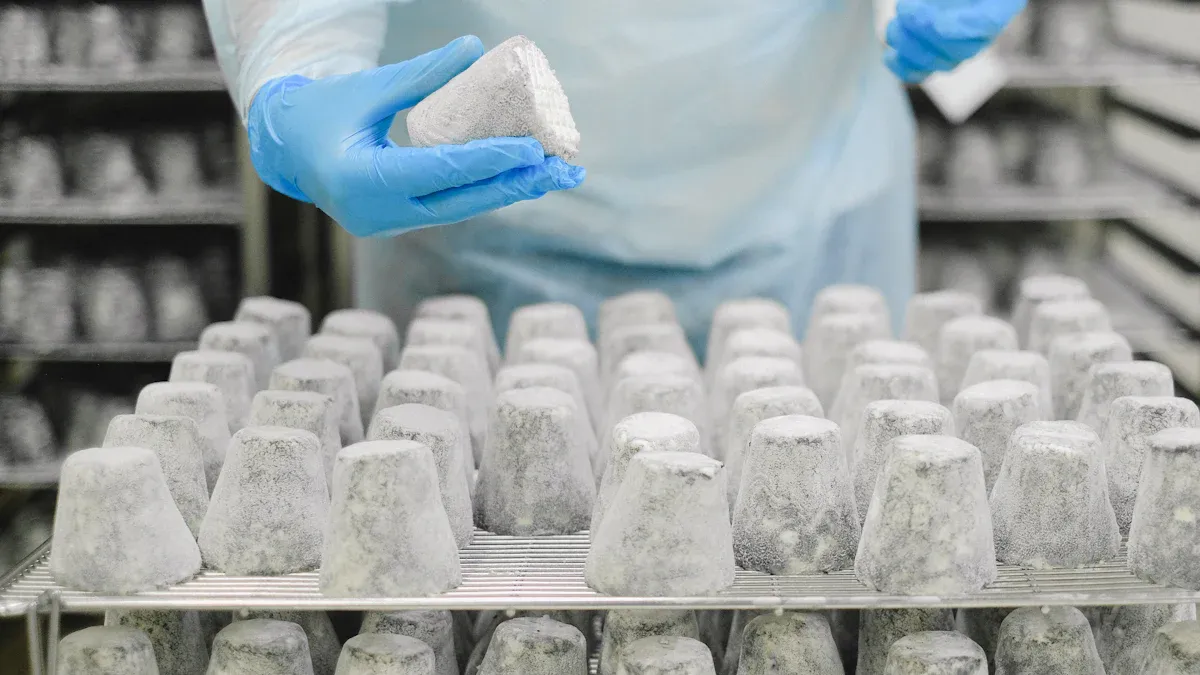
You probably want to know how many parts you can expect from a silicone mold. Most molds give you between 25 and 50 parts before you notice any drop in quality. If you use high-grade platinum silicone and keep your design simple, you might get 50 or more parts. Complex molds with lots of details or tricky shapes usually last for about 20 to 25 castings. Here’s a quick look at what you can expect:
A single silicone mold usually produces 25 to 50 parts.
Simple designs with high-grade platinum silicone can reach 50 or more parts.
Complex molds often yield 20 to 25 high-quality castings.
If you take good care of your mold, you can stretch the silicone mold life cycle and get more parts out of each mold.
The Nature of Mold Degradation (Silicone Physical Property Breakdown)
Silicone molds don’t last forever. Over time, you’ll see changes in the material that affect how well your mold works. The main physical changes include:
Physical Property Change | Description | Impact on Material |
|---|---|---|
Increased Hardness | Silicone gets harder from stress and use. | Flexibility drops, brittleness rises. |
Reduced Elasticity | Silicone loses stretch and bounce. | Performance drops for flexible parts. |
Alterations in Crosslink Density | The molecular structure changes. | Mold may fail or lose detail. |
You might also notice discoloration, cracking, or hardening. These signs mean your mold is wearing out and won’t give you the same results.
Why This Number is Critical (Tied to Cost and Lead Time)
The number of parts you get from a mold matters for your budget and your schedule. If you need more than a few molds, you should think about switching to mass production methods. The cost of making new molds adds up fast. The materials you use and how you run your workflow also change your costs and lead times. Getting the most out of each mold helps you save money and finish your project on time.
Key Factors Affecting Silicone Mold Longevity
1. Silicone Quality and Hardness
The kind and hardness of silicone matter a lot. Hard silicone lasts longer and does not stretch or tear easily. You can use hard molds many times. Soft silicone feels bendy but wears out faster. It can tear if you use it too much.
High Shore A Hardness vs. Low Shore Hardness Durability
Hard silicone molds last longer and handle stress well.
Soft molds can break down fast, especially with tough shapes.
Hardness changes how much a mold stretches and how strong it is.
The Importance of Silicone Tear Strength
Tear strength is important. Molds with high tear strength can bend and stretch without ripping. This means you get more parts before the mold breaks. Always check the specs before buying silicone.
2. Part Geometry and Complexity
The shape of your part affects how long the mold lasts. Simple shapes are easy on molds. Complex parts with undercuts or thin walls wear molds out faster.
Wear from Undercuts and Thin Wall Sections
Undercuts make it hard to remove parts and stretch the silicone.
Thin walls put extra stress on the mold and can cause tears.
Deep shapes need draft angles to help remove parts safely.
The Risk of Tearing Due to Sharp Corners and Edges
Sharp corners and edges can make the mold tear. If your design has many tight angles, the mold may break sooner.
3. Corrosiveness of Casting Materials
The stuff you pour into the mold changes how long it lasts. Hard resins like ABS or PC can break down silicone quickly. These chemicals soak in and make the mold lose detail and bend less after 20-50 uses.
Accelerated Wear from Rigid PU Resins (ABS/PC Simulants)
Casting Material | Impact on Mold Longevity |
|---|---|
Rigid PU Resins | Fast damage, loss of detail, fewer uses |
Flexible Materials | Less damage, longer mold life |
Low-Wear Characteristics of Flexible Materials (TPE/TPR Simulants)
Flexible materials like TPE or TPR are gentle on molds. You get more parts before needing a new mold.
4. Operational and Environmental Factors
How you use and store your mold changes how long it lasts. If you cure parts at high heat, you can damage the silicone. Using release agents the right way helps stop sticking and tearing.
Impact of Curing Temperature on Silicone Aging
Do not use very high heat above 450°F (232°C).
Medium oven heat is safe, but heat guns can ruin molds.
Too much heat makes resin stick to silicone and ends the mold’s life early.
Selection and Frequency of Release Agent Use
Use release agents made for silicone molds.
Put them on often but not too much, or you get residue.
Cleaning, keeping away from UV, and gentle use help molds last longer.
Tip: Keep molds in a cool, dry place and check them often. Follow the instructions to help your silicone mold last longer.
Cost Calculation, Depreciation, and the Break-Even Point
How to Calculate Per-Part Mold Depreciation Cost
You want to know how much each part costs when you use a silicone mold. Start with the price of your mold. Divide that number by the total number of good parts you expect to make. This gives you the per-part mold depreciation cost. For example, if your mold costs $500 and you get 50 parts, each part carries a $10 mold cost. If you stretch your mold to 100 parts, the cost drops to $5 per part. This simple math helps you plan your budget and set your prices.
Tip: Always add the cost of materials and labor to get the true cost per part.
Replacement Cost After Mold Lifespan Expiration
Silicone molds do not last forever. When your mold wears out, you need to buy or make a new one. This replacement cost can add up if you need many parts. If you plan for 200 parts but your mold only lasts for 50, you will need four molds. Multiply the mold price by the number of replacements to see your total mold cost. This helps you avoid surprises and keeps your project on track.
When to Consider Switching to Hard Tooling or CNC (The Quantity Tipping Point)
You might wonder when to stop using silicone molds and move to hard tooling or CNC machining. Here are some signs:
You need more than 10,000 parts.
Your project grows from a small run to a big order.
You want lower costs per part for high volumes.
Soft tooling like silicone molds works best for 100 to 10,000 units. Hard tooling lasts much longer and handles thousands of shots. Check out this table to see how costs change as you scale up:
Cost/Metric Category | Value |
|---|---|
Injection mold tooling | $25,000 |
Injection molding per part | $0.75 |
3D printing per part | $8.50 |
Breakeven point | 3,226 parts |
Cost/Metric Category | Value |
|---|---|
Injection mold tooling | $35,000 |
Injection molding per part | $1.20 |
CNC machining per part | $15 |
Breakeven point | 2,536 parts |
If your production needs go above these break-even points, switching to hard tooling or CNC can save you money in the long run.
Maximizing the Silicone Mold Life Cycle
Proper Demolding Techniques and Procedure
You want your silicone mold to last as long as possible. The way you remove parts from the mold can make a big difference. Here are some tips to help you keep your mold in good shape:
Use the right tools. Mould release sprays and soft brushes help you avoid scratches.
Apply gentle pressure. Never force the part out. This keeps the mold from tearing.
Check your mold often. Look for cracks, chips, or warping before each use.
Pick quality molds. Durable molds from trusted brands last longer.
Ask experienced artists for advice. They know tricks to keep molds working well.
Avoiding Excessive Stretching and Twisting of the Silicone
When you take parts out, try not to stretch or twist the silicone too much. If you pull too hard, the mold can rip or lose its shape. Hold the mold steady and work slowly. This helps you get more uses out of each mold and extends the silicone mold life cycle.
How to Address Sticking Issues (Casting Adhesion)
Sometimes, parts stick to the mold. If this happens, use a release agent made for silicone molds. Spray a thin layer before pouring your material. If sticking keeps happening, clean the mold and check for damage. Sticking can shorten the silicone mold life cycle, so fix it early.
Routine Mold Cleaning and Maintenance
Routine cleaning and maintenance are crucial for extending the lifespan and maintaining the effectiveness of silicone molds. Regular upkeep prevents residue buildup, maintains flexibility, and ensures hygienic use, which collectively contribute to the longevity and output of the molds.
Clean your mold after each use. Use mild soap and water. Dry it well before storing. This keeps your mold flexible and ready for the next project.
Temperature and Environmental Recommendations for Long-Term Storage
You want your mold to last between projects. Store it in the right place to protect it. Here are some tips:
Keep the temperature between 59 and 100 degrees Fahrenheit.
The best temperature is about 68 degrees Fahrenheit.
Make sure the humidity stays below 75%. This stops condensation.
Store your mold away from direct light. Sunlight can damage silicone.
If you follow these steps, you can get more parts from each mold and make the most of your silicone mold life cycle.
Quality Control and Signs Your Mold Needs Replacement
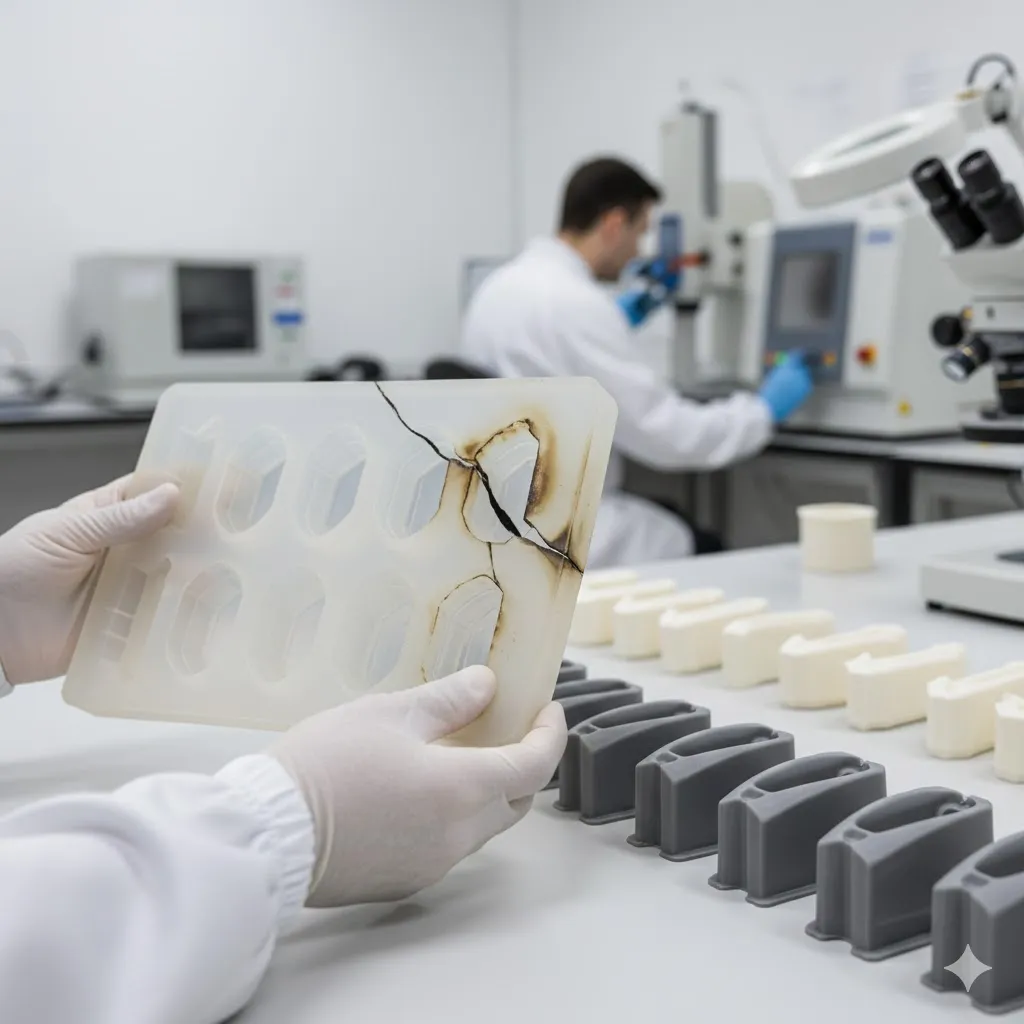
Watching your silicone mold helps you get good results. You can find problems early if you know what to check. Here are the main signs that show you need a new mold.
Physical Damage (Cracks and Tears)
Look for cracks and tears before you use your mold. Even small splits can get bigger and ruin your next part. If you see damage, your mold will not last much longer. Checking by eye is the best way to spot these problems. Make a simple checklist so you do not forget anything.
Description | |
|---|---|
Visual Inspections | Important for finding defects; making visual rules helps you know what to look for. |
Dimensional Measurements | Helps you check how flexible and strong your silicone parts are, even if it is hard to measure. |
Material & Functional Tests | Includes Shore hardness, pulling, and leak tests to make sure molds work well. |
Loss of Detail (Dimensional Instability)
You might see your parts lose sharp edges or fine lines. This means your mold is losing detail. Getting older, sunlight, and cleaning chemicals can change your mold’s shape. Sometimes, the mold gets harder or cracks. You may notice your parts do not fit together as well as before. Here is what can happen:
Evidence Description | Impact on Silicone Molds |
|---|---|
Aging and disinfection effects on dimensional stability | Loss of detail and shape changes over time from the environment. |
Detail reproduction related to aesthetic quality | Can’t copy small details like wrinkles, so parts look less real. |
Photochemical degradation leading to dimensional changes | Makes the mold lose color, crack, and get harder, which causes problems. |
Dimensional change measurements | Even with some changes, most samples stayed stable by ISO rules, showing some strength. |
Increased Demolding Force (Sticking and Drag)
If it gets harder to pull parts out, your mold may be wearing out. Here are some reasons why:
The silicone gets stiffer as it gets older, so it does not slide as well.
The mold loses its natural oils, so it gets stickier.
The base material changes, so the part grabs the mold more.
If you feel more drag or sticking, your mold is almost worn out.
Surface Residue (Oiliness or Powder Build-up)
You might see oily spots or powder on your mold. This build-up can make your mold less bendy and change its shape. If you do not clean your mold often, the residue gets worse. Cleaning your mold often helps it work better and last longer.
Tip: Check your mold after every use. Clean off any grease or powder right away. This easy habit helps you get more parts from every mold.
Conclusion
You now know how many parts you can get from one silicone mold. Most molds give you between 25 and 50 good parts. Some can last longer if you use high-quality silicone and simple shapes. If you take care of your mold, you might even get more than 100 parts. That means you can save money and time on your projects.
Here’s a quick recap to help you remember the key points:
Choose the right silicone. Harder and stronger silicone lasts longer.
Keep your designs simple. Simple shapes help your mold last.
Use gentle demolding. Don’t stretch or twist the mold too much.
Clean and store your mold well. Wash after each use and keep it in a cool, dry place.
Watch for signs of wear. Look for cracks, tears, or sticky spots.
Tip: If you see your mold losing detail or getting hard to use, it’s time for a new one. Don’t wait until your parts look bad.
You can get the most out of every mold if you follow these steps. You will make better parts and spend less money. If you need thousands of parts, think about switching to hard tooling or CNC. For small runs, silicone molds work great.
Remember, your mold is a tool. Take care of it, and it will take care of you. Happy casting! 😊
You can expect most silicone molds to give you 25 to 50 good parts. If you use high-quality silicone and keep your designs simple, you might get even more. Take care of your molds by cleaning them with baby wipes or warm water, avoiding harsh scrubbing, and storing them in a cool, dry place.
Check for cracks or wear often.
Use protective covers and avoid stacking heavy items.
Pour resin in thin layers to prevent overheating.
Tip: Replace your mold when you see damage or loss of detail. Good care means more parts and better results!
FAQ
How do you know when your silicone mold is worn out?
You will see cracks, tears, or missing details. Parts may stick more than usual. If your mold feels stiff or oily, it is time to replace it.
Can you repair a damaged silicone mold?
Small tears can be patched with silicone glue. Big cracks or missing pieces mean you need a new mold. Repairs work best for minor damage only.
What is the best way to clean a silicone mold?
Wash your mold with warm water and mild soap. Use a soft cloth or baby wipes. Avoid harsh chemicals or scrubbing. Dry your mold before storing.
Does using a release agent help your mold last longer?
Yes! A release agent stops parts from sticking. You get easier demolding and less wear. Spray a thin layer before each use for best results.