All Articles

CNC Threading Design Guide: Types, Tapping, Thread Milling and Best Practices
If you want to create strong and precise internal threads cnc machining for your parts, the cnc threading design guide is your go-to resource for making the best decisions in cnc work. Understanding how thread types, CAD models, and process selection impact internal threads cnc machining quality and efficiency is essential. For instance, choosing between tapping or thread milling affects chip formation, tool life, and the strength of each internal thread. MethodAdvantagesLimitationsTappingFaster cycle times, simpler tooling, good for standard sizesOne tool for each thread size, tool can break in small holesThread MillingTools can be used for many jobs, chips come…
CNC Hole Design Guidelines: Depth, Diameter, Tolerances and Drill vs Bore Explained
You achieve effective hole design for CNC machining by selecting the appropriate depth, diameter, tolerances, and process. Adhering to good rules helps prevent costly mistakes and enhances part quality. When you plan your hole design well, you reduce the need for corrections, ensuring your parts remain robust. The table below illustrates how each aspect of hole design for CNC machining affects costs and the performance of the part. AspectImpact on Manufacturing CostImpact on Part PerformanceCorrect Hole SelectionLowers fixing costsMakes parts safer and strongerPrecision in Hole DesignRaises making costsHelps parts work betterResearch and PlanningCuts down mistakesMakes sure rules are followed Key…
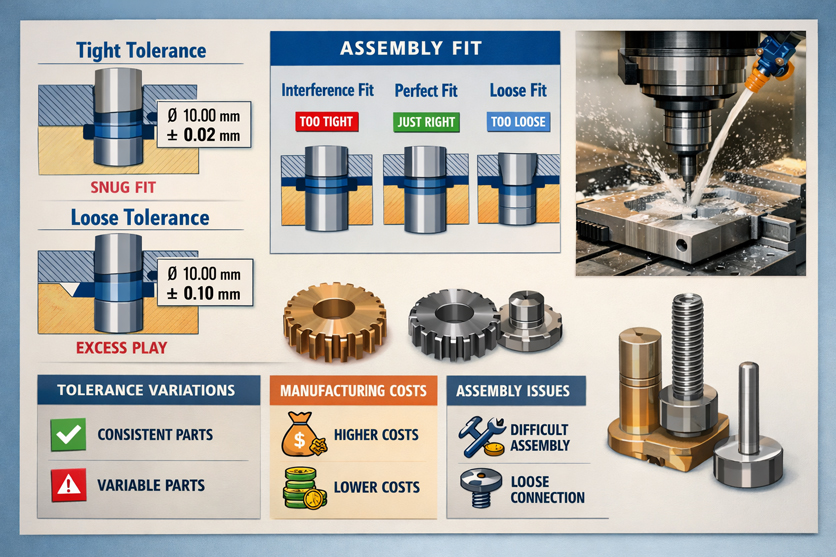
How CNC Machining Tolerances Affect Assembly Fit (Design & Manufacturing Guide)
CNC machining tolerances for assembly fit are important. They help parts line up and work well. They also make sure parts last a long time. When you set tolerances, you pick the size range that is okay. This keeps parts steady and accurate. Bad tolerances can cause parts to not fit right. They can make parts wear out too fast. Parts may shake or even break during assembly. Tolerances help stop things from breaking or being unsafe. Wrong tolerances can mess up the whole assembly. This can make products not last as long. If you ignore tolerances, you may spend…
CNC Prototype Parts Design Guide: How to Design for Machining
When you focus on CNC prototype parts design, you consider what machines can do quickly and efficiently. Effective CNC prototype parts design allows you to create metal and plastic prototypes with fewer errors and reduced costs. CAD modeling plays a crucial role in rapid prototyping, enabling you to make quick adjustments and achieve precise results. CNC machining is faster than molding and more accurate than 3D printing. You can achieve tolerances as tight as ±0.01 mm. A prototype can be completed in 24 to 72 hours, allowing for rapid testing and refinement of your design. By following the right steps,…
Cylindricity in GD&T: Importance in Manufacturing
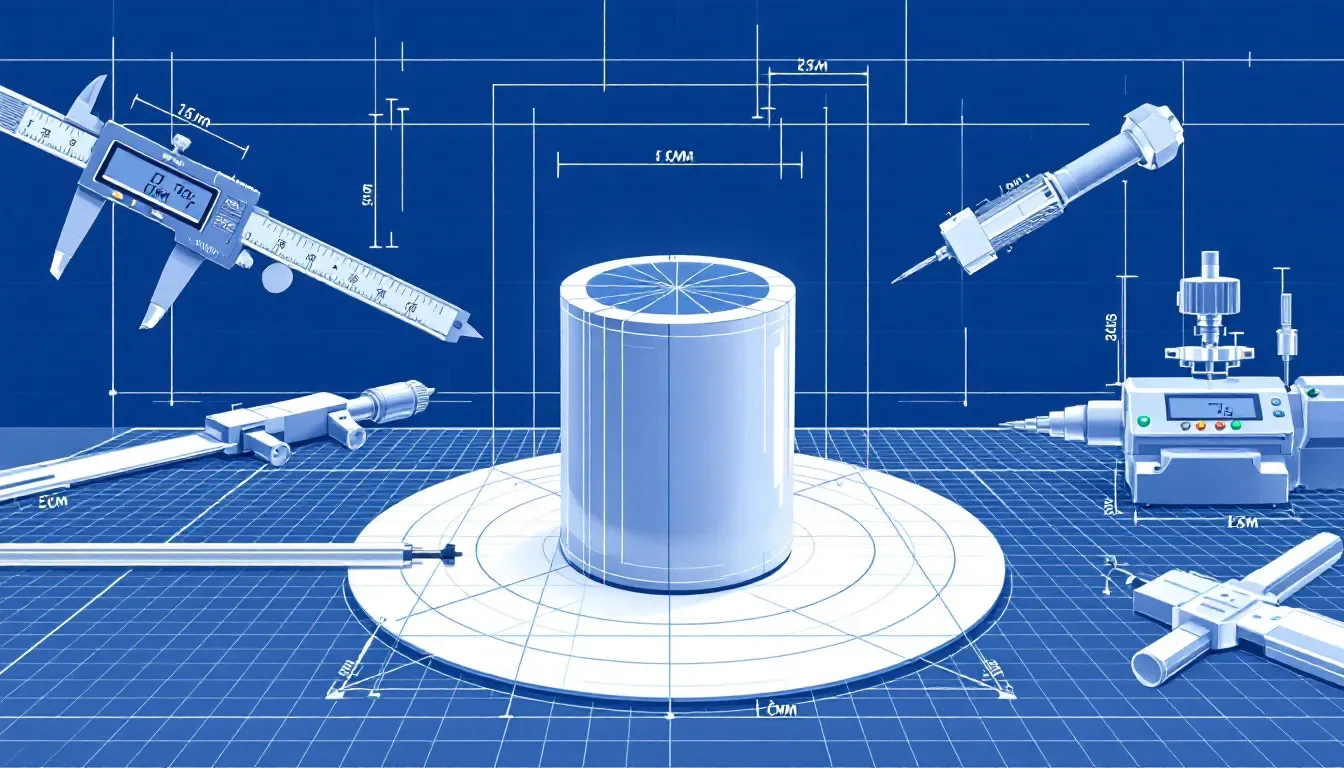
Cylindricity is a vital aspect of GD&T that ensures an object is perfectly round and straight along its entire length. For components like shafts, bushings, and precision pins, accurate cylindricity is crucial for proper fit and efficient function. This article will break down what cylindricity involves, why it matters in manufacturing, and the best methods for measuring it accurately. Key Takeaways Cylindricity measures how closely a feature approximates a true cylinder, impacting fit, function, and component lifespan. The cylindricity tolerance zone consists of two coaxial cylinders defining the acceptable boundaries for the feature’s surface. Accurate cylindricity measurements are crucial for…
RMS Surface Finish: Essential Guide and Calculation Methods
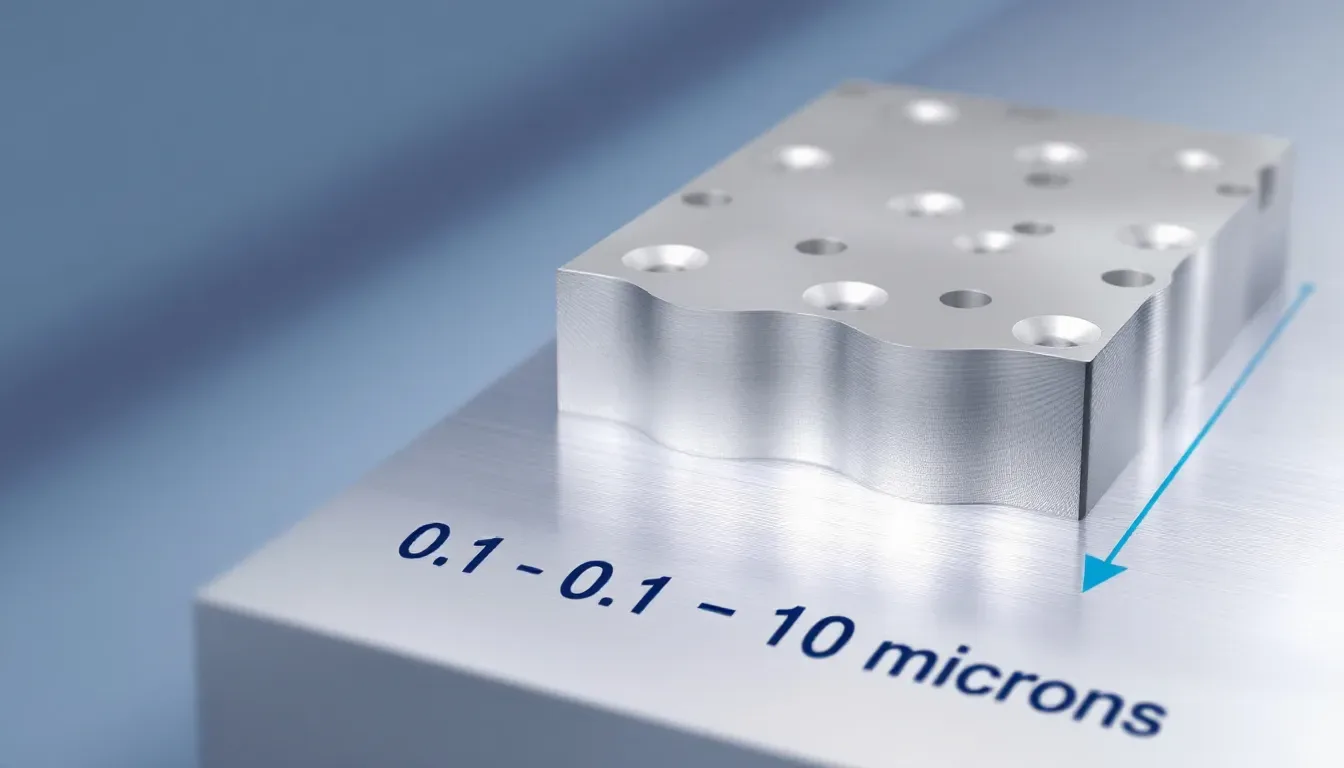
RMS surface finish quantifies the smoothness of a surface’s microscopic peaks and valleys. A lower RMS value indicates a smoother and higher-quality surface. This article explains what RMS surface finish is, its importance, and how to measure it. Key Takeaways RMS surface finish is a crucial measure of surface quality in manufacturing. It indicates smoother surfaces with lower roughness values compared to other metrics. Calculating RMS involves determining the square root of the average of the squared deviations from mean profile height. This offers a detailed analysis of surface texture. Various contact and non-contact methods exist for measuring RMS surface…
What’s the Melting Temperature of Copper? Find Out Here!
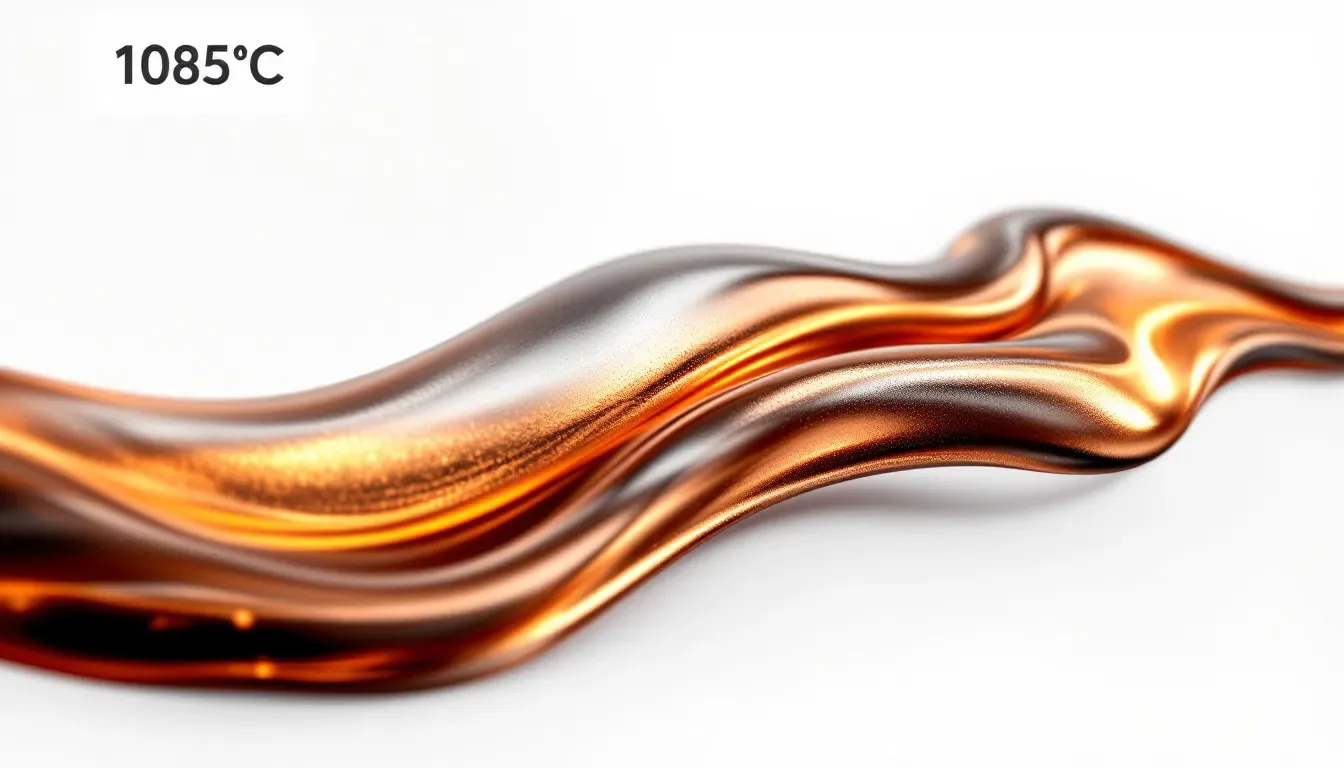
The melting temperature of copper, specifically what’s the melting temperature of copper, is 1085°C (1984°F). Understanding this specific melting point is crucial for various industrial applications, including casting and welding. In this article, we will explore not just the melting point of pure copper, but also how alloying elements and environmental factors can influence this property. Key Takeaways The melting temperature of pure copper is 1085°C (1984°F), making it suitable for high-temperature applications without loss of structural integrity. Copper alloys exhibit varying melting points, influenced by their composition, with examples like bronze melting between 850°C to 1000°C, and beryllium copper…

Top CNC Machinist Duties: Essential Job Responsibilities Explained
CNC machinists are essential in manufacturing and operating CNC machines to produce precision parts. This article explains the key CNC machinist duties and the skills needed for the job. Key Takeaways CNC machinists operate, program, and maintain CNC machines to produce precise metal or plastic parts, requiring a blend of technical expertise and hands-on skills. Effective communication and collaboration with engineers and designers are essential for CNC machinists to ensure project specifications and enhance production efficiency. Continuous learning and obtaining certifications are important for career advancement in CNC machining, as they help machinists stay competitive and adapt to technological advancements.…

Best CNC File Format for Precision Machining
Understanding the right CNC file format is crucial for precision machining. Key formats like G-code, STEP, and DXF ensure your CNC projects run smoothly and accurately. This article will guide you through these essential formats and their roles in CNC machining. Key Takeaways The essential CNC file formats for precision machining include G-code, STEP, and DXF, each serving unique roles in maintaining accuracy and compatibility. Conversion of CAD files into CNC-compatible formats through CAM software is crucial for precise machining instructions and reduces the risk of errors. Effective communication with CNC technicians and detailed preparation of CAD files are vital…

Is Stainless Magnetic? | Your Guide to Understanding Stainless Steel
Is stainless magnetic? It can be, but it depends on the type. In this article, you’ll learn why some stainless steels are magnetic and others aren’t, and how this affects their uses. Key Takeaways Stainless steel’s magnetic properties are influenced by its crystal structure and chemical composition, with martensitic and ferritic types being magnetic, while austenitic types are typically non-magnetic. Understanding the magnetic characteristics of different stainless steel types—like austenitic, ferritic, martensitic, and duplex—is crucial for selecting the right material for specific applications such as manufacturing and food processing. Testing for magnetism using a simple magnet can indicate magnetic properties,…