LKprototype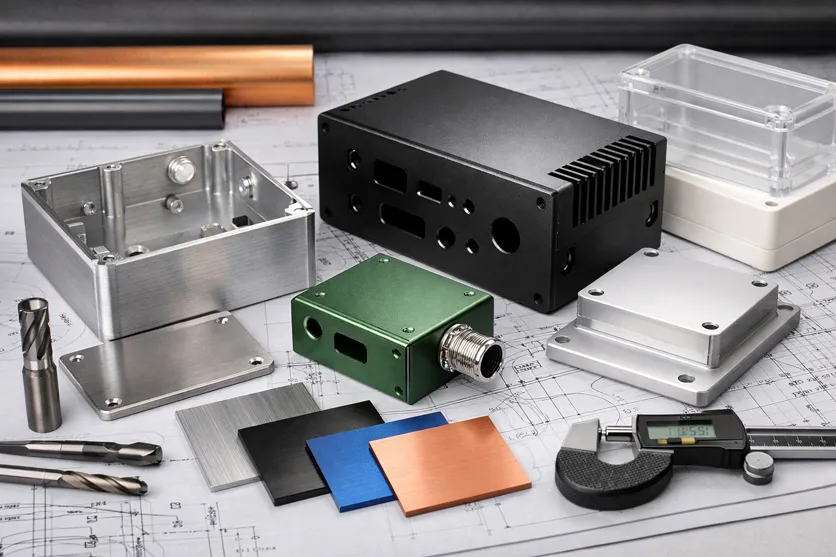
You need good materials, finishes, and design steps to make strong electronics enclosures with CNC machining. This process is fast, accurate, and flexible. Manufacturers use aluminum alloys, copper, stainless steel, titanium, and engineering plastics because each has special features and uses.
Material Category | Typical Grades | Key Properties | Typical Applications |
|---|---|---|---|
Aluminum Alloys | 6061, 7075, 5052 | Light, conducts heat well | Cases, frames, heat sinks |
Copper / Brass | C110, C101, H59 | Conducts electricity well | Terminals, connectors, shields |
Stainless Steel | 304, 316, 303 | Resists rust | Fasteners, precise parts |
Titanium Alloy | Ti-6Al-4V | Strong but light | Medical, aerospace electronics |
General Engineering Plastics | ABS, PC, PMMA | Light, easy to shape | Enclosures, light covers |
Mechanical Performance Plastics | POM, PA6, PET | Tough, resists wear | Gears, sliding parts |
CNC machining for electronics enclosures lets you pick the best material and finish for how it works and looks. You will get helpful design tips to help you do your best work.
Key Takeaways
Pick the best material for your electronics enclosure. Aluminum alloys like 6061 and 5052 are strong but not too heavy.
CNC machining lets you change designs quickly and make parts fast. This works well for prototypes or small groups of parts.
Make sure your design has tight tolerances. CNC machining can be very exact, as close as ±0.005 mm. This helps parts fit together just right.
Choose good surface finishes to make your enclosure last longer. Anodizing and powder coating can protect it and make it look better.
Think about your design carefully so you do not make mistakes. Remember wall thickness, mounting spots, and EMI shielding to make sure it works well.
What Is CNC Machining for Electronics Enclosures?
Custom Electronics Enclosure Machining
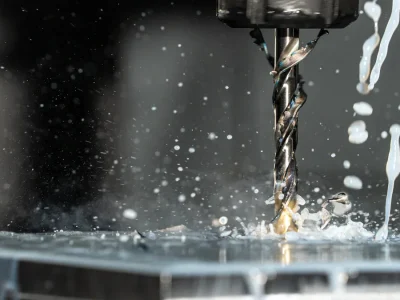
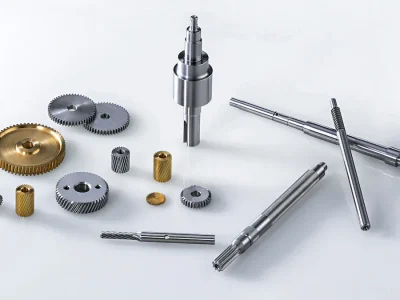
CNC machining helps make special shapes for electronics enclosures. Computer-controlled machines cut, drill, and shape materials like aluminum, stainless steel, and plastics. This process gives you very exact results for your design. CNC milling makes strong cases that keep dust and water out. CNC turning creates small parts that fit together well. You can add holes for wires, slots for connectors, and engravings for labels or logos.
Tip: If you need a special enclosure quickly, CNC machining lets you change your design fast and start making it right away.
Here are some main steps in the process:
Milling shapes the enclosure and makes holes for electronics.
Drilling puts in holes for cables and mounting.
Engraving adds words or pictures to the enclosure.
Surface grinding makes the surface flat and smooth.
Cutting and punching make special shapes and openings.
You can read more about custom CNC machined parts here.
CNC Machined Electronic Housing Applications
CNC machined enclosures are used in many fields. These cases keep electronic devices safe and in place. Some common uses are:
Consumer electronics like laptop bottoms and gaming gear.
Wearable devices such as fitness trackers and smartwatches.
Automotive systems for cars and trucks.
Medical devices that need strong and clean cases.
CNC machining for electronics enclosures keeps parts very exact. This helps signals stay clear in telecommunications and keeps important equipment safe.
Prototype and Low-Volume Enclosure Production
CNC machining is good for making prototypes and small numbers of enclosures. This way, you can test new ideas and change them quickly. You do not need to buy costly molds or tools. CNC machining can change fast if your design changes. You can make just a few for testing or small groups for special needs. Rapid prototyping helps you get your product ready faster and find the best design before making a lot.
Why CNC Machining Is Ideal for Electronics Enclosures
High Precision and Tight Tolerances
You want your electronics enclosure to fit just right. CNC machining gives very exact results. Machines can make parts with tiny tolerances, like ±0.005 mm or ±0.001 mm. This means your parts fit together well. There are no big gaps or parts that do not line up. You can count on CNC machining when you need things to be very exact.
Tolerance Level | Measurement Unit |
|---|---|
±0.005 mm | Millimeters |
±0.001 mm | Millimeters |
±0.001" | Inches |
±0.0002" | Inches |
Fast Lead Times and No MOQ
You do not have to wait a long time for your parts. CNC machining lets you get your enclosure fast. You can order just one or a few. There is no rule for a minimum order. This helps you try new ideas or make test pieces quickly. You save time and money because you do not need special molds or tools.
Tip: You can start making your parts right away and change them if you need to.
Design Flexibility and Rapid Iteration
CNC machining lets you make many shapes and features. It works with metals like aluminum, stainless steel, copper, and titanium. It also works with plastics like ABS, nylon, and polycarbonate. You can add holes, slots, or special engravings. If you want to change your design, you can do it fast. CNC machining helps you try new ideas and make your product better.
Works with metals and plastics
Gives many finishes like anodizing, polishing, or coating
Makes detailed shapes without extra tools
EMI and RF Shielding Capability
You want your electronics to be safe from outside signals. CNC machining lets you use materials like aluminum and copper. These block electromagnetic and radio frequency signals. You can make enclosures that keep circuits safe. This is important for medical devices, communication gear, and car electronics.
Feature | Description |
|---|---|
Tight Tolerances | Gets up to ±0.01 mm for good assembly |
Material Compatibility | Works with metals and plastics |
Dimensional Accuracy | Stays exact for tricky shapes |
Complex Design Handling | Makes detailed shapes and holes |
Production Volume | Good for small or medium batches and test parts |
Best Materials for CNC Machined Electronics Enclosures
Aluminum Alloys for Electronics Enclosures
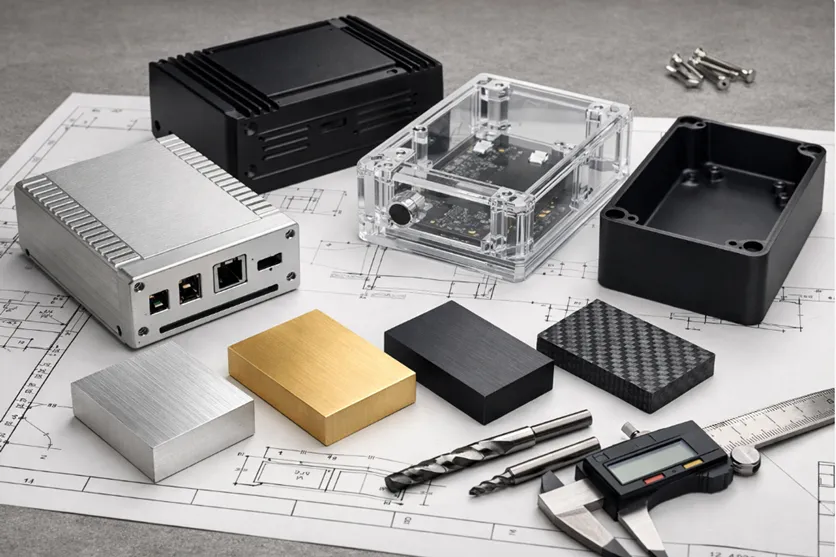
Aluminum alloys are used a lot for CNC machining. Aluminum is light and strong. It is also easy to cut and shape. It does not rust easily, so it lasts longer. Different alloys have their own good points. Here is a table that shows the most common ones:
Alloy | Mechanical Properties | Applications |
|---|---|---|
6061 | Lightweight, good corrosion resistance, easy to machine and weld | Aircraft parts, electronics, recreation equipment |
5052 | Medium- to high-strength, excellent corrosion resistance | Electronic chassis, pressure vessels |
2024 | Exceptional strength-to-weight ratio, high fatigue resistance | Aerospace applications, automotive components |
7075 | Highest strength-to-weight ratio, varies by temper | Aircraft, gears, missile parts |
6082 | High corrosion resistance, highest strength in 6xxx series | Trusses, bridges, transport applications |
Tip: Pick 6061 or 5052 if you want a good mix of strength, easy cutting, and rust protection for most enclosures.
Plastics for Lightweight Enclosures
Plastics are light and do not cost much. They are simple to shape and fit many designs. Here is a table that compares two popular plastics:
Plastic Type | Impact Resistance | Heat Deflection Temperature | UV Protection | Cost Comparison |
|---|---|---|---|---|
Polycarbonate | Superior | 132°C | Yes | Higher |
ABS | Moderate | 97°C | No | Lower |
Polycarbonate is good for outdoor boxes, like charging stations, because it can take hits and sunlight.
ABS is great for things like home electronics. It does not scratch easily and costs less.
Stainless Steel and Specialty Metals
Stainless steel and special metals are very tough. They protect your enclosure and make it last longer. You might use these if you want your box to look new for a long time.
Chromium makes stainless steel resist rust by forming a shield.
Stainless steel is simple to clean and does not need much care.
You can pick from many types for different jobs.
Stainless steel stays strong in hot or cold places.
It looks shiny and modern, which is nice for things people see.
Remember, stainless steel costs more than aluminum and can rust near the ocean.
Material Selection Guide for Electronic Housing
When you pick a material for your electronic box, you should:
Think about many things in the environment, not just carbon.
Compare materials using the same units to be fair.
Use facts from your area for the best results.
Picking the right material helps you reach your goals for how it works and the environment. CNC machining lets you choose the best material for your needs.
Surface Finishes for CNC Enclosures
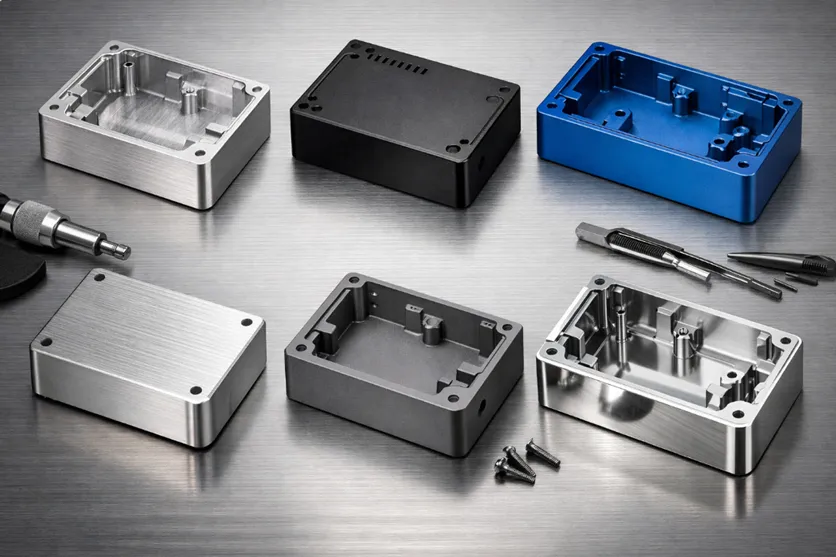
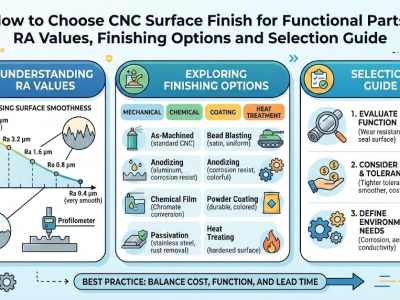
Surface finishes help keep your electronics enclosures safe and looking nice. You can pick from many types to fit what you need. Here is a table that lists common finishes and what they do:
Finish Type | Description | Effects on Durability and Appearance |
|---|---|---|
Bare Metal Finish | No finish, visible tool marks and scratches | Minimal protection; appearance depends on machining |
Grained Finish | Brushed for a sleek look with linear grain | Looks good; limited durability |
Vibratory Finish | Smoothed with abrasive media | Reduces tool marks; not very durable |
Media Blasting | Tiny glass beads create a uniform matte finish | Removes marks; improves look; minimal protection |
Anodizing | Electrochemical process for aluminum | Increases durability; protects against scratches and wear |
Powdercoat | Electrostatic powder, cured for a hard finish | Excellent impact and chemical resistance |
Polyester Powdercoat | Common powdercoat with great value and resistance | Good durability and appearance |
Epoxy Powdercoat | Strong adhesion and corrosion resistance | Highly durable; less effective outdoors |
Anodizing for Aluminum Electronics Enclosures
Anodizing puts a tough layer on your aluminum enclosure. This layer keeps out water and chemicals. The anodized surface is thicker than normal. It can fix itself after small scratches. Sealing closes tiny holes, so water cannot get in. You can choose different colors and textures for your style.
Tip: Anodizing helps your enclosure last longer and look nice. It is a smart choice for CNC machining for electronics enclosures.
Powder Coating for Durability
Powder coating covers your enclosure with a strong, colorful shell. This finish stands up to bumps and chemicals. It can last over 20 years outside if done well. You can pick from many colors for your brand. Powder coating looks even and does not have paint problems.
Very strong and stops rust
Many color choices for branding and marking
Bead Blasting and Brushing
Bead blasting makes a smooth, dull finish. This hides marks and cuts down glare. It helps keep your enclosure clean in labs or hospitals. Brushing adds lines, but you must line them up when building. Bead blasting blends welds and cuts for a neat look. It wears out faster where people touch it a lot.
Bead blasting is great for fancy electronics and tricky shapes
Brushing looks cool but needs careful lining up
Chemical Conversion Coating
Chemical conversion coating keeps your enclosure from rusting. It lets electricity flow easily, which is good for electronics. The coating is thin, so it does not make the part heavy. You use this finish for parts that need to be exact and conduct electricity.
Advantage | Description |
|---|---|
Corrosion Resistance | Stops damage from the environment and makes it last longer |
Electrical Conductivity | Keeps resistance low for electronics to work well |
Minimal Thickness | Does not make the part heavier or bigger |
Preferred in Electronics | Good for parts that need to conduct electricity |
Custom Colors, Branding and Laser Marking
You can add special colors with paint, powder coating, or colored strips. These ways help you match your brand or use color codes. Laser marking puts on logos and labels that do not wear off. It saves money and is better for the planet. Laser marking is good for branding and showing what your product is.
Note: Custom finishes and markings make your product easy to spot and remember.
Design Guide for CNC Machined Enclosures
Wall Thickness and Structural Strength
Pick the right wall thickness for your box. Thicker walls make it stronger and last longer. Most enclosures need at least 0.060 inches thick walls. This thickness keeps your device safe from bumps. If your box will be in tough places, use even thicker walls.
Thick walls stop breaking when under pressure.
The right thickness keeps your box safe.
Precision Tolerances and Component Fit
You want all parts to fit together just right. CNC machining lets you set tight tolerances for this. Good tolerances keep everything lined up and working well. If tolerances are too loose, parts can shake or break. Using the right tolerances helps your parts last longer and work better.
Tolerances keep parts lined up.
They stop parts from wearing out too soon.
Mounting Features and Fasteners
You can add things like standoffs, threaded holes, and slots. CNC machining lets you pick the size and shape of standoffs. This makes sure your electronics fit well. You can also add vents or heat sinks to help cool things down.
Custom standoffs fit your needs.
Vents and heat sinks help keep things cool.
Ventilation and Thermal Management
You need to keep your electronics cool inside the box. Use vents, fans, or heat exchangers for this. Metal boxes like aluminum help move heat away. Plastics keep heat in and do not cool well. Put parts so air can move around them. Use shiny coatings to reflect heat away.
Tip: Clean filters often and check for heat problems to keep your box working well.
EMC and EMI Shielding Design
You must protect your electronics from outside signals. Pick materials like aluminum or copper to block EMI. Use gaskets made with special methods for better shielding. Make sure your box meets rules like IEEE 299 and MIL-STD-188-125. Compression stops hold gaskets in place and help block signals.
Pick the right material and gasket for EMI safety.
Follow the rules for best protection.
DFM Tips and Common Design Mistakes
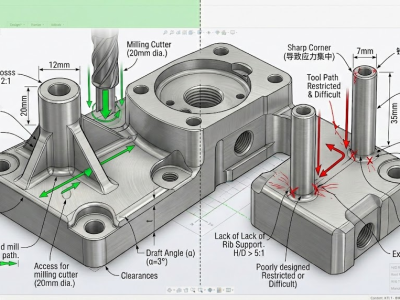
Design for manufacturability helps you avoid problems. Here are some mistakes and how to fix them:
Common Mistakes | Description | Solutions |
|---|---|---|
Overly tight tolerances | Makes things cost more and take longer | Use normal tolerances |
Sharp internal corners | Makes parts weak and tools wear out faster | Add rounded corners and keep pockets shallow |
Ignoring EMI early | Means you might have to redesign later | Plan for EMI from the start |
Note: Plan your box design early and use good practices to save time and money.
CNC Machining vs Other Manufacturing Methods
CNC Machining vs Injection Molding for Enclosures
You might wonder how CNC machining and injection molding are different. CNC machining uses machines to cut parts from solid blocks. Injection molding pushes melted plastic into special molds. Both ways have good and bad points.
Here is a table that shows how they are not the same:
Aspect | CNC Machining | Injection Molding |
|---|---|---|
Molds and Tooling | No molds needed; parts cut from blocks | Needs custom molds; high upfront cost |
Production Cycle | Parts ready in days after design | Fast after molds are made |
Cost Structure | Low setup fees; steady cost per part | High fixed costs; cheaper for big runs |
Design Flexibility | Easy to change designs; complex shapes | Limited by mold shape and angles |
Tip: Pick CNC machining if you want to change your design fast or only need a few enclosures. Use injection molding if you want to make many at once and save money on each one.
CNC vs 3D Printing for Electronic Housing
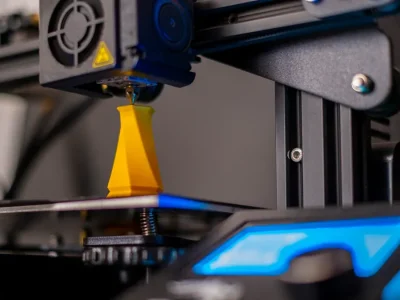
You can also use 3D printing to make electronic housings. 3D printing builds parts one layer at a time. CNC machining cuts parts out of a solid block. Both ways help you make special shapes.
Here is a table that compares them:
Feature | CNC Machining | 3D Printing |
|---|---|---|
Advantages | High precision, strong materials, smooth finish | Complex shapes, fast prototypes, low cost |
Limitations | Setup time, hard for tricky shapes | Rough finish, weaker parts, not for heavy use |
Note: Use CNC machining if you need strong, smooth, and exact parts. Try 3D printing for quick samples or shapes that do not need to be very strong.
When to Choose CNC for Electronics Enclosures
Pick CNC machining for electronics enclosures when you need:
Fast prototypes or small batches.
High precision and tight tolerances.
Strong materials like aluminum or stainless steel.
Custom designs that change often.
CNC machining gives you lots of choices and good quality. You can test new ideas and change them without waiting for molds. This way works well for startups, engineers, and anyone who needs custom enclosures fast.
Tip: If you want to try new designs or only need a few parts, CNC machining is the best way.
Electronics Enclosure Manufacturing Considerations
Production Volume and Scalability
Think about how many enclosures you need to make. CNC machining works for small or big batches. Making more parts can give better accuracy and fewer mistakes. Machines do the work fast and keep the quality high. You can make tiny and detailed parts in large numbers. It is important that each enclosure is the same. High-volume CNC machining helps you meet tight tolerances.
Benefit | Description |
|---|---|
Automated Precision | Machines help make parts more accurate in big batches. |
Reduced Errors | Making more parts means fewer mistakes happen. |
Faster Turnaround | Large batches are made faster with CNC machines. |
CNC machining keeps quality good for big orders.
You can make more parts without losing accuracy.
Cost Factors in Enclosure Machining
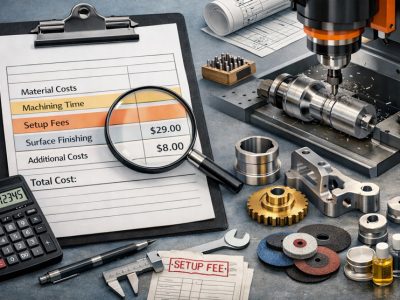
You need to think about different costs when making enclosures. Buying and taking care of CNC machines costs money. Set-up costs include getting ready and making 3D models. The price of materials depends on what you use and how easy it is to get. Harder designs take more time and cost more. Making more parts lowers the price for each one because set-up costs are shared. Extra steps like heat treatment or finishing add more cost.
Cost Factor | Description |
|---|---|
Equipment and Machinery | Money spent to buy and keep CNC machines working. |
Set-up Costs | Getting ready, like making 3D models with software. |
Materials | The price of metals or plastics you use. |
Design and Geometry | Hard shapes need more time and money. |
Production Volume | Making more parts makes each one cheaper. |
Finishing Operations | Extra steps like heat treatment or surface finishing. |
Tip: You can save money by making more parts at once and using simple designs.
Quality Control and Inspection
You want your enclosures to be high quality. Quality control uses tools and tests to check every part. Gauge blocks and thread gauges check if threads are right. Surface roughness testers see how smooth the part is. Hardness testers check how strong the material is. Non-destructive tests like ultrasound or X-ray find hidden problems. Statistical process control watches the process in real time. Tool monitoring checks if tools are wearing out. Environmental sensors keep temperature and humidity steady. Visual tools help you see small details. Assembly and fit tools, like Go/No-Go gauges, check if parts fit. Final inspection checks all parts before they are sent out.
Method Type | Description |
|---|---|
Gauge Blocks and Thread Gauges | Make sure threads are the right size and shape. |
Surface Roughness Testers | Check if the surface is smooth enough. |
Hardness Testing Equipment | See how strong the material is. |
Non-Destructive Testing (NDT) | Find hidden problems with ultrasound or X-ray. |
Statistical Process Control (SPC) | Watch and check the process with data. |
Tool Condition Monitoring | Make sure tools are not worn out. |
Environmental Monitoring | Keep temperature and humidity at the right level. |
Visual Inspection Tools | Look closely at small details. |
Assembly and Fit Testing Tools | Use Go/No-Go gauges to check if parts fit. |
Final Inspection | Check all finished parts for quality. |
Note: Careful checking makes sure your enclosures are safe and work well.
FAQ
What is the best material for electronics enclosure?
Pick your material based on what you need. Aluminum is a good choice for most enclosures. It is light and strong. It does not rust easily. Stainless steel is even stronger and lasts longer. Plastics like ABS and polycarbonate make boxes that are not heavy. Copper and brass let electricity move well. Think about where you will use the box and what you want it to do.
Tip: Aluminum alloys are great for many projects. They give you a good mix of strength, weight, and price.
Is CNC machining better than injection molding for enclosures?
CNC machining gives you more ways to design your box. You can make special shapes and change them fast. You do not need to buy costly molds. Injection molding is best when you need lots of parts. It costs less for each part if you make thousands. CNC machining is good for testing ideas and making small groups. Injection molding is better for making many at once.
Method | Best For | Setup Cost | Design Changes |
|---|---|---|---|
CNC Machining | Small batches | Low | Easy |
Injection Molding | Large batches | High | Hard |
Can CNC machining provide EMI shielding?
CNC machining can make boxes that block EMI. Metals like aluminum and copper stop bad signals. You can add gaskets and coatings to make the shield better. CNC machining makes tight seams and parts that fit well. This keeps your electronics safe from outside signals.
Note: Pick the right metal and design for strong EMI safety.
What tolerances can be achieved in enclosure machining?
CNC machining can make parts with very small gaps. You can get tolerances as close as ±0.005 mm. This means your parts fit together well and work right. Tight tolerances stop gaps and keep your box strong. Ask your maker what tolerance is best for your project.
How long does it take to machine a custom enclosure?
You can get a custom box in just a few days. CNC machining is fast because you do not need molds. Simple shapes are quicker to make. Harder shapes take more time. Ask your supplier how long your design will take.
Tip: Make your design clear to get your box faster.
You should pick a material that is strong and lasts long. It should not get damaged by heat. The material should not be too heavy. It must be easy to cut and shape. It should not rust or corrode. Polycarbonate, aluminum, stainless steel, thermoplastics, and carbon fiber composites all have special good points. CNC machining helps you work fast and make custom shapes. You can change your design if you need to. Try these design tips to make your enclosure better:
Tip | Benefit |
|---|---|
Make fillet sizes bigger | Machining is faster and tools last longer |
Change hole sizes for best fit | Saves time and lowers cost |
Add lead-ins | Surfaces are smoother |
Use these tips to make your enclosure strong and nice to look at.