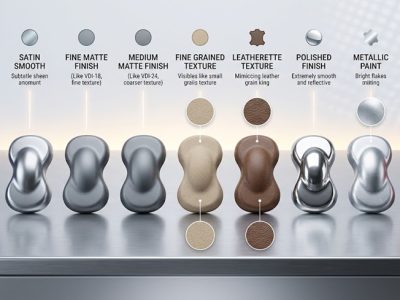
You should pick the best urethane casting surface finish for your project. Think about how you will use the part, how it looks, and what it needs to do. Engineers and designers often care about abrasion resistance, chemical compatibility, temperature range, UV stability, and if it meets food or medical rules. Think about your use, the look you want, and how well it should work. The right finish helps your part last longer and work better. Key Takeaways Pick the best urethane casting surface finish for your project. Think about how it looks, works, and how long it will last.…
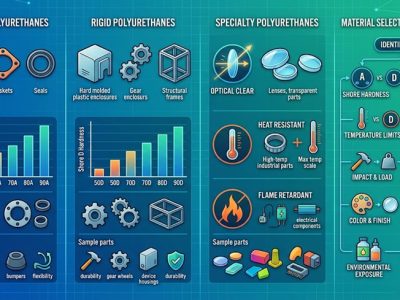
You often use urethane casting materials for strong prototypes. These materials help make things quickly and precisely. Polyurethane resins are used in many industries. Medical device makers like them because they are safe for the body. They are also easy to clean. Car and airplane companies use these resins for tough parts. Consumer goods makers pick them for products that last and look nice. You get fast drying times and little shrinking. These materials are also very strong. Urethane casting is a cheap way to make small batches. It helps you make accurate parts with silicone molds. Key Takeaways Urethane…
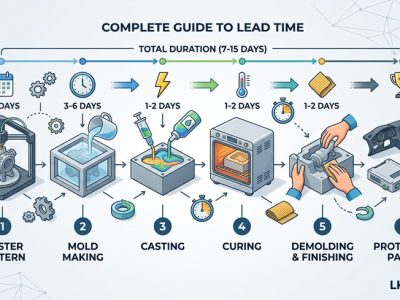
You usually see urethane casting lead time for prototype parts is one to three weeks. Vacuum casting can give you parts in about ten days. Getting parts fast is important for your project schedule. New changes in the industry help you even more: Customized low-viscosity systems now ship in one week from Wanhua’s Chongqing plant. Special lines have made castor lead times shorter, from eight weeks to four weeks. If you want a full guide to speed and efficiency, you should know these facts. This guide gives you what you need to plan your prototypes with confidence. Key Takeaways Urethane…

If you want to make a mold that shows every detail, you just need to pour RTV silicone over your original piece. Then let it cure. This material is flexible and strong. It stays tough even after many uses. Look at how RTV silicone compares to other materials: FeatureRTV SiliconeOther MaterialsFlexibilitySuperior elasticityLimited flexibilityDurabilityWithstands many usesWears out quicklyShrinkageLess than 0.1%Higher shrinkage People use RTV silicone mold making for car parts and crafts. You can try it with almost any casting material. Key Takeaways RTV silicone molds bend easily and last a long time. They are great for showing small details in…

You use silicone mold making to make prototypes that look like your designs. Silicone molds are very flexible and show small details better than most other ways. When you compare how accurate they are, you see their size stays the same. This is clear in the table below: Prototyping MethodDimensional StabilitySurface RoughnessDurability in Repeated Casting CyclesSLALow1–5 µmMediumSLSHigh1–3 µmHighFDMMedium10–25 µmLow You get the best results if you pick the right materials. You need to follow each step in the process. You should use methods that work well. Key Takeaways Silicone mold making helps you make prototypes fast. It lets you test…
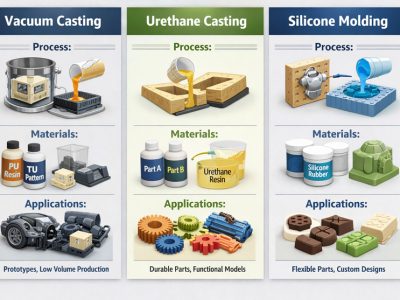
When you look at vacuum casting vs urethane casting, along with silicone molding, you have to make choices. These choices can change how fast you finish your product. Picking the right casting process can help you go from design to part faster. Mold design, material prep, and post-processing all change your schedule: FactorImpact on TimelineMold Design and CreationHard molds take more time to make and design.Material Selection and PreparationThe kind of metal and how you get it ready can change the timeline.Casting MethodEach casting method, including vacuum casting vs urethane casting, takes a different amount of time.Curing and Cooling TimeBigger…
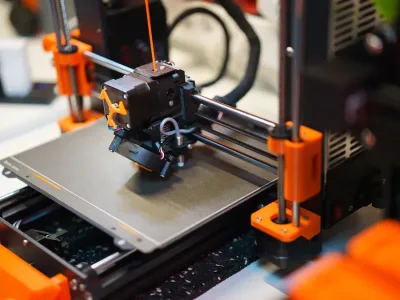
Choosing a urethane casting service for prototyping needs careful thought. You should look at their skills, quality, material choices, support, and price. Make sure the provider can do what your project needs. Check if they fit your budget and timeline. Learn about mold life, picking materials, and how costs work. This helps you stop problems before they happen. Providers with a 99.96% quality success rate and ISO certifications give parts with almost no defects. MetricWhy It MattersQuality Success RateShows provider is reliableCustomer Satisfaction ScoreShows how good the service isISO CertificationsProves they follow strict rules Following steps and clear rules helps…

Polyurethane resin is a polyurethane resin strong and long-lasting material. It works well for many applications, handling heat up to 180 °C and pressure up to 350 bar. It resists damage from wear, scratches, chemicals, and weather. Even with 20% recycled material, it remains tough. Its flexibility and protective traits make it ideal for industrial, commercial, and DIY projects. Key Takeaways Polyurethane resin is tough and bendable, perfect for many uses like factory floors and protective layers. It handles heat and heavy weight, showing it lasts in tough places. Polyurethane resin fights damage from wear, chemicals, and sunlight, working well…
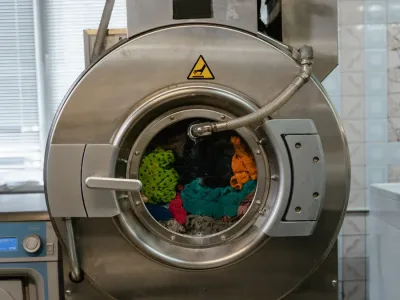
Vacuum casting uses silicone molds and vacuum chambers to make detailed parts. It is helpful for creating small batches that look like final products. This process makes prototypes very accurate and meets industry rules. The vacuum casting market is growing fast. It was worth $1.5 billion in 2022 and may grow 7.5% each year until 2030. Industries like cars, planes, and healthcare use vacuum casting to make high-quality parts. It works quickly and saves money, so manufacturers like it for making precise parts fast. Key Takeaways Vacuum casting is great for making detailed models and small amounts. It saves money…
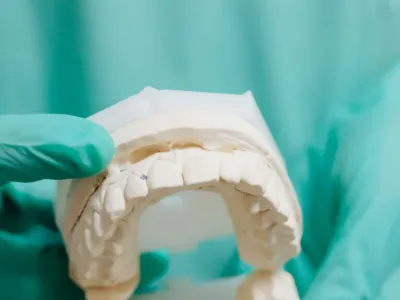
Urethane rubber casting is an effective method for creating flexible molds. These durable molds are crafted using liquid urethane rubber casting, making them ideal for replicating intricate designs with precision. The process achieves size tolerances within ±0.010” to ±0.020”, which, while less precise than injection molding, still delivers reliable results. This technique is particularly beneficial for developing and testing new products. A single mold can produce 1–10 parts daily, depending on the type of urethane rubber casting used and the complexity of the part's design. The entire process, from start to finish, typically takes just a few weeks, making it…
Want to convert your CAD design into a sample prototype or small-batch production? Upload your files and get a fast and accurate quote.