LKprototype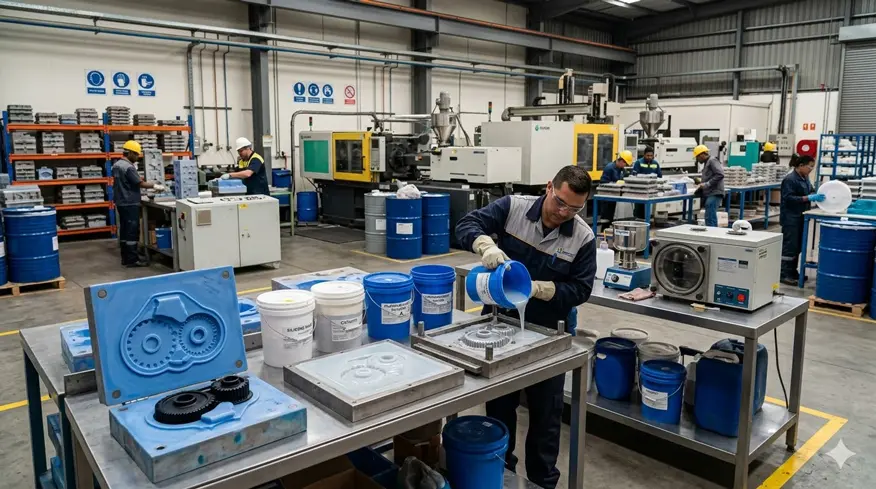
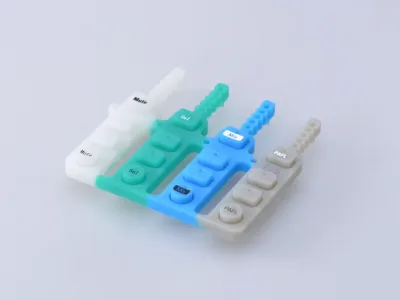
Silicone mold material helps you make and copy objects easily. Silicone is used in mold making because it shows small details and stays bendy. The main types are:
Liquid Silicone Rubber (LSR)
High Consistency Rubber (HCR)
Room Temperature Vulcanizing (RTV) Silicone
Each type has its own good points. Silicone costs less, works fast, and lets you change designs more than other molds.
Advantage | Explanation |
|---|---|
Cost | Silicone molds need less money to start and cost less than injection molds. |
Speed | Silicone molds are made fast, sometimes in just a few days, so you can test ideas quickly. |
Design Flexibility | Silicone molds show tiny details, fit tricky shapes, and let you take parts out easily without breaking them. |
You can pick the best silicone for your project by knowing these good things and features.
Key Takeaways
Silicone molds save money and help you make models fast. They let you try out ideas quickly.
Pick the right silicone for your project. Use Liquid Silicone Rubber for medical tools. Use High Consistency Rubber for strong parts.
Always check if the silicone is food-grade or medical-grade. This keeps things safe and follows rules.
Use release agents so your cast does not stick. This makes it easy to take out your cast from the mold.
Look at the Shore hardness rating. This helps you choose silicone that is flexible and tough for your project.
What Is Silicone Mold Material
Overview of Silicone Mold Materials
Silicone mold material helps you copy objects with lots of detail. It stays bendy and strong, even if it gets hot or cold. This material has special chemicals that make it different from others. Liquid silicone rubber can handle heat and does not get damaged by chemicals or sunlight. These things help your molds last longer and work in many places.
Here is a table that shows how different mold materials compare:
Material Type | Key Properties | Limitations | Typical Applications |
|---|---|---|---|
Urethane Resins | Versatile, simulates ABS/PP/PC | Higher cost | Functional prototypes, low-volume parts |
Epoxy Resins | Excellent heat resistance | Brittle | Heat-resistant prototypes, tooling models |
Transparent PU | High clarity, simulates PC/PMMA | Susceptible to yellowing | Lampshades, transparent casings |
Rubber-like Materials | Flexible, good elasticity | Limited durability | Seals, grips, soft-touch parts |
Composite-Filled Resins | Enhanced strength/appearance | Complex processing | Decorative items, reinforced prototypes |
Tin-Bismuth Alloys | Metallic finish, strong feel | Limited applications | Small metal parts, jewelry |
Silicone mold material is very useful, safe, and lasts a long time. You can use it for medical tools, food molds, or making new products. It keeps its shape and stays bendy, even when it is hot or cold.
Why Silicone Is Widely Used for Mold Making
People pick silicone for molds because it is simple to use and works in many ways. Silicone stays bendy when it is cold and does not break when it is hot. It also does not get ruined by water or chemicals, so your molds last longer.
Here are the main reasons to use silicone:
It is easy to work with.
It can handle heat and chemicals.
It works for food molds and machine parts.
It is safe and not harmful, even for food.
You can use one mold to make many copies.
Silicone mold material lets you make detailed parts without spending too much. You get good results, whether you make one thing or a lot.
Types of Silicone Mold Materials
High Consistency Rubber Silicone (HCR)
High consistency rubber silicone is good for strong molds. It feels like thick gum and is solid. You need to heat it to make it hard and tough. HCR is used for big parts and many items at once. People use it in cars, planes, and food factories. It does not get old fast and works in hot or cold places, from −60 °C to +250 °C. You can shape HCR by pushing, rolling, pressing, or injecting it. It does not tear easily and keeps its shape under weight.
Some ways to use HCR are:
Seals and gaskets for machines
Big parts for tools
Rubber items made in molds
Tip: Pick HCR if you want molds that last and do hard work.
Liquid Silicone Rubber (LSR)
Liquid silicone rubber is runny and comes in two parts. You mix them and put them in a mold. LSR is great for making lots of small, exact, and bendy things. It is used for medical tools, electronics, and things people use every day. LSR can stretch and bend without breaking. It does not get ruined by heat or strong chemicals. You can trust it for places that need to be very clean. LSR is liked because it makes strong and exact molds.
LSR is special because:
It bends but does not flatten much
It works in very hot or cold places
It is safe for medical things
Room Temperature Vulcanizing Silicone (RTV)
Room temperature vulcanizing silicone gets hard without heat. You can use it to make molds fast and try new ideas. RTV sticks to many things and fills empty spaces. It does not get hurt by sun or rain. The molds stay bendy and last a long time. RTV is good for glue, covers, and making a few items.
Benefits of RTV Silicone Rubber | Limitations of RTV Silicone Rubber |
|---|---|
Handles heat well | May not cure right sometimes |
Stays bendy for a long time | Can be hurt by water in air |
Used for many things | May not last long in some cases |
People use RTV for:
Glues and sticky stuff
Covers and coatings
Trying out new ideas and small jobs
Heat Cured Silicone Materials
Heat cured silicone needs high heat to get hard. You usually heat it to 150°C to 200°C for 2 to 4 hours. This makes the silicone strong and able to take heat. The molds get better and cure faster. If you make it hotter by 10°C, it cures about 20-25% faster. These silicones help you make tough molds for hard jobs.
Curing Temperature (°C) | Curing Time (hours) | Effect on Mold Quality |
|---|---|---|
150 - 200 | 2 - 4 | Makes molds stronger and faster to cure |
Note: Use heat cured silicone if you need molds for hot and rough jobs.
You can choose the best silicone by learning about each type. Each one helps you do well in making molds.
Silicone Curing Methods for Mold Materials
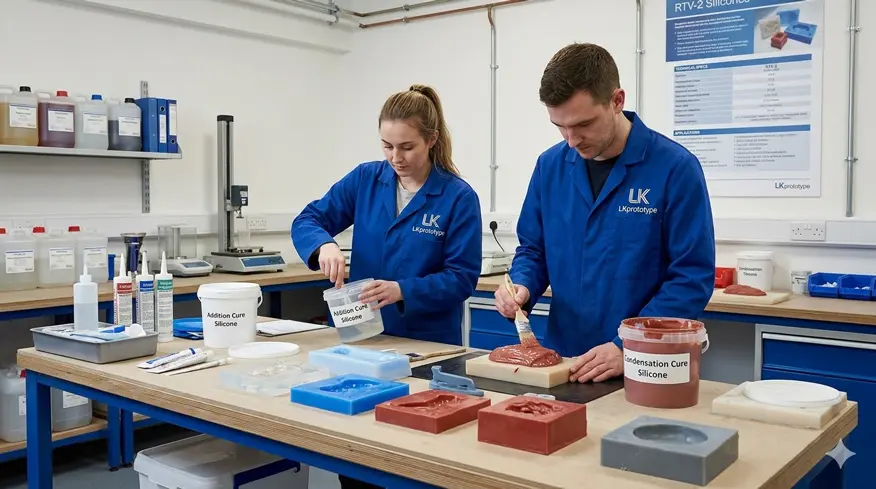
Tin Cure Silicone (Condensation Cure)
Tin cure silicone is a simple and cheap way to make molds. It hardens at room temperature and fits many projects. When it cures, it makes byproducts that can change the mold. If the air is wet, it cures faster. If it is cold, it cures slower. Tin cure silicone can shrink more and get less bendy as time passes.
Here is a table that shows the good and bad sides:
Advantages | Disadvantages |
|---|---|
Cost-effective | Shorter lifespan |
Easy to use | Not FDA compliant for food or skin |
Versatile | Higher shrinkage |
Less prone to inhibition | Can lose strength over time |
Tin cure silicone is best for fast and cheap jobs. Do not use it for food or medical molds because it is not safe.
Tip: Use tin cure silicone if you need a test mold or only a few copies. It is quick and easy.
Platinum Cure Silicone (Addition Cure)
Platinum cure silicone cures fast and works well. You mix two parts, and it gets hard without making byproducts. This gives you a mold that is strong and stretches well. It also keeps its shape. Platinum cure silicone cures even faster with heat. You can make parts that fit well and look smooth.
Here is a table that compares platinum cure silicone and tin cure silicone:
Feature | Platinum Cure Silicone | Tin Cure Silicone |
|---|---|---|
Curing Speed | Cures rapidly | Slower curing process |
Shrinkage | Low shrinkage | Higher shrinkage |
Longevity | Lasts 100+ casts | Lasts 10–25 uses |
Tear Resistance | High | Lower |
Biocompatibility | Yes | No |
FDA Compliance | Some are FDA compliant | Not FDA compliant |
Platinum cure silicone is good for food, medical, and factory molds. The molds last long and stay strong for many uses.
Note: Heat makes both types cure faster, but only tin cure silicone is affected by wet air.
Key Properties of Silicone Mold Materials
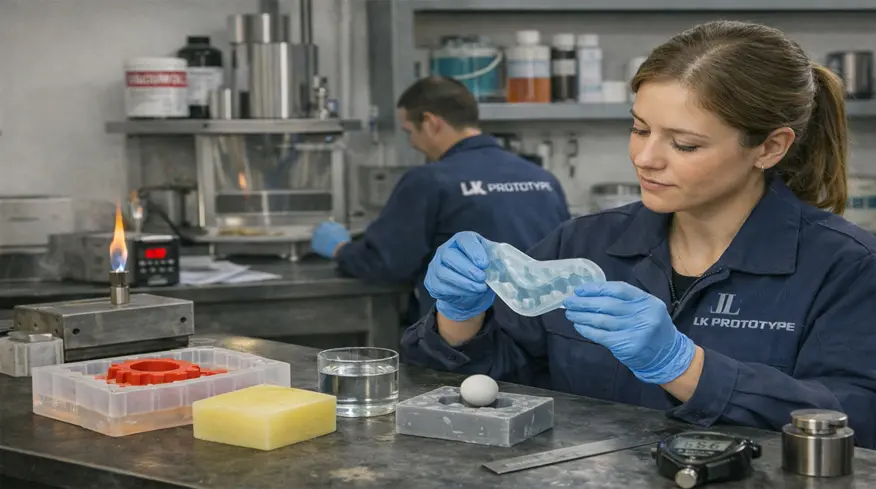
Hardness and Shore Rating
The Shore rating scale tells how hard silicone is. This helps you pick the best silicone for your mold. Softer silicone bends more and shows tiny details. Harder silicone lasts longer and does not bend much. The table below shows how hardness changes what molds can do:
Shore Hardness Rating | Description | Impact on Mold Functionality |
|---|---|---|
Shore 00-0 to Shore A-10 | Ultra-soft silicones | High flexibility, captures fine details |
Shore A-80 and above | Extra-hard silicones | Super durable, less flexibility, more resistance to bending |
Pick the right hardness for the details and strength you want.
Flexibility and Tear Strength
Silicone is known for being flexible and strong. You can bend and stretch silicone molds many times. They do not break easily. RTV silicone stays tough even after lots of use. Silicone is more flexible and stronger than most other elastomers. The table below compares silicone to other elastomers:
Property | Silicone Mold Materials | Other Elastomers |
|---|---|---|
Flexibility | Superior flexibility | Limited flexibility |
Tear Strength | High tear strength | Varies by elastomer |
Compression Set | Excellent resistance | Generally lower |
Silicone molds last a long time and keep their shape.
Chemical Resistance and Temperature Stability
Silicone does not get ruined by many chemicals. It works with oils, fuels, and ozone. Silicone can handle very hot and very cold places. It stays good from -55°C to 300°C. This means you can use it in ovens or freezers. The table below shows these facts:
Property | Details |
|---|---|
Temperature Range | -55°C to 300°C |
Chemical Resistance | Resistant to oils, fuels, ozone |
Silicone molds work well in many different places.
Safety and Non Toxic Properties
Silicone is safe and not toxic. You can use it for food and medical things. Medical-grade silicone follows FDA and USP Class VI rules. Food-grade silicone meets FDA food safety rules. Tests show silicone molds from Europe follow strict safety laws. Silicone does not make bad gases if it burns. It has no plasticizers and is not poisonous. Silicone lasts longer, so you do not need to replace it often. This helps the environment.
Type of Silicone | Compliance Details |
|---|---|
Medical-Grade Silicone | Must meet FDA regulations and USP Class VI standards |
Food-Grade Silicone | Must meet FDA food safety standards for repeated use with food products |
Tip: Use silicone when you need something safe and nontoxic.
How to Choose the Right Silicone Mold Material
Assessing Mold Design and Project Requirements
Look at your mold design and what your project needs. Picking the right silicone helps you get good molds. Think about what type of silicone you need. Also, check how hard or soft it is. Hardness is called durometer. It changes how well the mold shows details. It also changes how strong the mold is. Clear silicone helps you see small details when you pour. Food-safe silicone rubber is strong and shows details well. Use good tools to mix your silicone. The right shore hardness helps your mold show tiny details. It also helps your mold handle heat or shrinking resin.
Factor | Description |
|---|---|
Type of Silicone | Pick liquid silicone rubber or high consistency rubber for your job. |
Durometer | Hardness changes how strong and detailed your mold is. |
Color | Clear or colored silicone helps you see details better. |
Tip: Use good tools to mix and pick silicone that fits your needs.
Balancing Cost and Performance
You need to think about price and how well silicone works. Silicone molds are cheaper to fix and replace than old-style molds. If you control your work, you waste less material. Silicone molding lets you make the same thing many times. You may pay more at first, but silicone lasts longer. This saves you money later.
Factor | Silicone Molding | Traditional Molding |
|---|---|---|
Scrap and Defect Rates | Less waste if you do things right | More waste from extra plastic pieces |
Lifecycle Costs | Cheaper to fix and replace | Cheaper at first, but costs more later |
Environmental Impact | You replace silicone molds less often | Old molds can be recycled better |
Quality Control | You get the same results each time | Special controls can help quality |
Note: Silicone molds help you save money and make less waste over time.
Material Compatibility and Safety Considerations
Check if your silicone works with what you want to pour. Sometimes silicone sticks to itself and is hard to remove. You can use a release agent like Ease Release™, talcum powder, or petroleum jelly. These stop the silicone from sticking. Platinum-cure and tin-cure silicones do not stick together much. This makes it easier to take out your part. Always use good silicone that can take heat. Make sure your mold is flat so your part comes out even. Mix your resin well so there are no mistakes. Pour slowly to keep bubbles out and stop spills.
Silicone can stick to itself and cause trouble.
Use a release agent so it does not stick.
Pick silicone types that are easy to remove.
Keep your mold flat and mix everything well.
Tip: Always use safe silicone that fits your project needs.
Applications of Silicone Mold Materials
Silicone Molds for Prototyping and Product Development
| Silicone Type | Cure Method | Key Features | Typical Applications |
|---|---|---|---|
| RTV Silicone | Room temperature cure | Easy processing | Prototype molds |
| HCR Silicone | Heat cure | High strength | Industrial molds |
| LSR Silicone | Injection molding | High precision | Medical parts |
Silicone molds are used in many ways for new products. They help you test ideas and make models fast. You can see if your idea works without waiting long. Silicone molds work well because they show small details and stay bendy. Many companies use silicone to make test models. You can find silicone molds in these areas:
Medical: Things like implants, drug tools, and surgery tools
Defense: Seals, gaskets, and sensors that do not shake
Industrial/Consumer: Baby items, kitchen tools, and safety gear
Silicone molds let you try new shapes for less money. You can change your design fast and see what happens right away.
Food and Medical Grade Silicone Molds
Food-grade silicone is needed for making food and safe products. You must use food-grade silicone that the FDA says is safe. Medical-grade silicone also has to follow strict rules like ISO 10993. These rules make sure your molds are safe for food and medical things. When you pick food-grade silicone, you keep people safe and your products clean. Food-grade silicone is good for making chocolates, candies, and baked treats. You also use it for medical tools that touch the body.
Tip: Always check if your food-grade silicone meets FDA and ISO rules before you start.
Industrial and Specialty Mold Applications
Silicone molds help in factories and special jobs. They are used for parts that need to last and work hard. The table below shows some good things and problems:
Benefits of Silicone Mold Making | Challenges of Silicone Mold Making |
|---|---|
Used in many jobs | Sometimes curing does not work |
Handles very hot or cold places | |
Can be made for special needs | |
Does not flatten easily | |
Cures fast | |
Stays strong and stable | |
Good for parts that need no extra work | |
Sticks to many materials | |
Very safe to use | |
Good for tiny parts |
You can use silicone molds for food, seals, and parts that must keep their shape. Silicone is strong, does not tear easily, and shows small details well. You can use silicone for making food in factories and for special molds in labs.
You now know about the main silicone mold materials and what makes them special. Liquid silicone rubber cures quickly and is safe for food or medical use. Picking the right silicone saves you time and makes your work better.
Choose silicone that fits what you want to make.
Look at Shore hardness and how long it takes to cure.
Always check the label to see if it works for your project.
Property | LSR (Liquid Silicone Rubber) | SSR (Solid Silicone Rubber) |
|---|---|---|
Heat Resistance | High | Moderate |
Best Use | Medical, food, fine details | Industrial, consumer |
Use these ideas to help you do well with your next mold making project.
FAQ
What is the best silicone for food molds?
You need to use food-grade silicone. It follows FDA safety rules. This silicone is good for baking and candy. It also works for other food projects. Always look for the FDA label before you buy.
How do you prevent silicone molds from sticking?
You can use a release agent like Ease Release™, talcum powder, or petroleum jelly. These help you take out your cast without trouble. Always put the release agent on before you pour.
Can you reuse silicone molds?
Yes, you can use silicone molds again and again. Silicone stays strong and bends without breaking. You get the same results every time you use it. Clean your mold after each project for the best results.
What is Shore hardness?
Shore hardness tells you how hard or soft silicone is. You pick a Shore rating for your project. Softer silicone shows small details better. Harder silicone lasts longer and does not bend much.
Tip: Pick the right Shore hardness so your mold works best.