LKprototype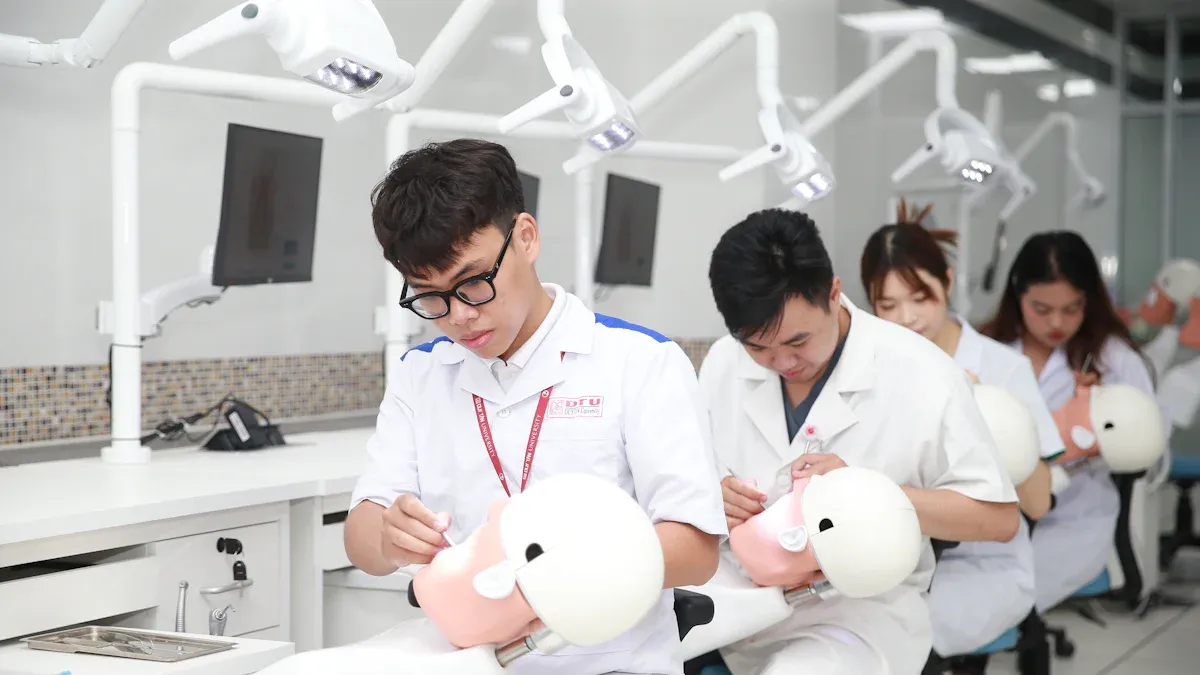
You want your training sessions to be great. Professional trainers pick platinum silicone mannequins because they last a long time. They look real and help keep you safe. When you consider silicone vs tpe mannequins, you see why silicone is the superior option. Silicone mannequins do not get damaged easily. They feel like real skin and do not cause health problems. If you want something you can trust and that is worth the money, silicone is the best choice.
Key Takeaways
Platinum silicone mannequins are strong and last a long time. They can last more than 45 years. This makes them a good choice for saving money over time.
Silicone mannequins look and feel like real skin. They are great for training, taking pictures, and showing things.
Silicone is safe to touch and does not have bad chemicals. This keeps users safe and calm when using it.
TPE mannequins cost less but need more care. They may break sooner and need to be replaced faster. This makes them better for short-term use.
Picking silicone means you get something good and dependable. You will not need to fix or replace it as much. This saves money in the end.
Overview: What Are Silicone and TPE Mannequins?
What Is Silicone? (Platinum-Cure Silicone Overview)
Platinum-cure silicone is used in top mannequins. This material feels soft and looks real. It is strong and does not tear easily. It stretches well and does not shrink much. You can get it in many colors. It is safe for skin because it meets FDA rules. Platinum-cure silicone does not leave any mess behind. You get a clean product every time. It keeps its shape and details for a long time.
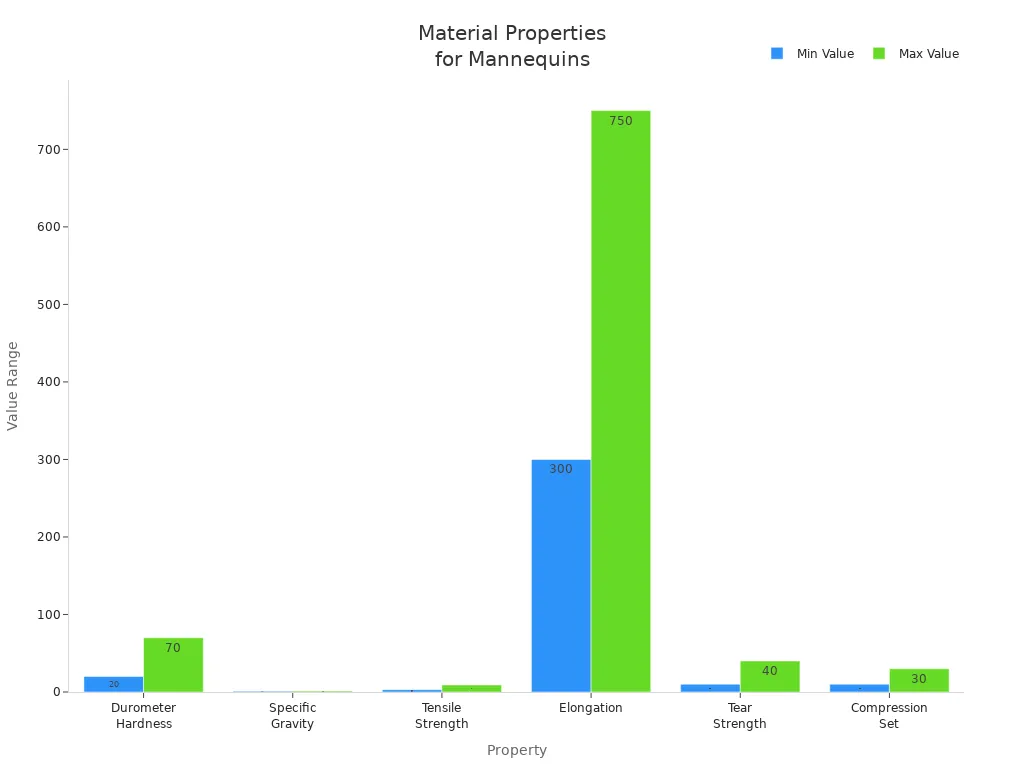
Property | Value Range |
|---|---|
Durometer Hardness | Shore A 20 – 70 |
Specific Gravity | 1.07 – 1.2 |
Tensile Strength | 3 – 9 Mpa |
Elongation | 300 – 750 % |
Tear Strength | 10 - 40 N/mm |
Compression Set | 10 – 30 % |
FDA Approval | Yes |
Colours Available | All |
Tip: Platinum-cure silicone gives you clearer and more even results than other types.
What Is TPE? (Thermoplastic Elastomer Basics)
Tpe is found in lots of mannequins. It is soft and bends easily. Tpe mixes plastic and rubber together. You can shape tpe into many forms. Tpe costs less than silicone, so people use it for cheaper displays. Sometimes tpe leaks oil and gets stains. It does not last as long as silicone if used a lot.
Tpe bends well.
Tpe is simple to shape.
Tpe costs less than silicone.
Tpe can wear out faster.
Why These Two Materials Dominate the Market
Silicone and tpe mannequins are everywhere. They work for many jobs. Both are used in fashion, medical training, art, and movies. Silicone is best for looking real and being safe. Tpe is good for short-term or cheaper projects.
Industry | Applications | Key Benefits |
|---|---|---|
Fashion Retail | Window displays, runway presentations, e-commerce photography | Makes products look better; models can be changed to match different customers. |
Medical & Healthcare Training | Simulation of patients, surgical practice, emergency response drills | Helps students learn with lifelike practice; lets trainers try many situations. |
Art & Museums | Sculptural installations, historical reenactments, immersive exhibits | Gets people interested with real-looking figures; strong material lasts a long time. |
Film & Special Effects | Prosthetics, stunt doubles, creature design | Works well with actors; bends for special effects and makeup. |
Education & Research | Anatomy lessons, psychology studies, human behavior modeling | Lets students learn by doing; helps with accurate experiments. |
You can pick silicone for real looks and safety. You can choose tpe for bending and saving money. Both help you make displays and training tools that look and feel real.
Silicone vs TPE — Quick Comparison Table
Side-by-side Comparison Chart
You want to pick the right mannequin for your needs. The table below helps you see how silicone and TPE mannequins are different. It shows important features side by side.
Feature | Platinum Silicone Mannequin | TPE Mannequin |
|---|---|---|
Durability | Very high | Moderate |
Realism | Excellent skin detail | Good, less detailed |
Skin Texture | Smooth, lifelike | Soft, less realistic |
Tear Resistance | Strong | Can tear more easily |
Stain Resistance | Resists stains | Prone to stains |
Oil Secretion | None | May leak oil |
Heat Resistance | High | Low |
Chemical Safety | Food-grade, hypoallergenic | May contain plasticizers |
Odor | No odor | May have slight smell |
Cleaning | Easy, no powder needed | Needs powder, careful cleaning |
Lifespan | 5+ years | 1-3 years |
Cost | Higher upfront cost | Lower upfront cost |
Tip: Silicone mannequins last longer and look more real. TPE mannequins are good if you do not want to spend much or only need them for a short time.
You can see that platinum silicone mannequins are stronger, safer, and look more real. TPE mannequins cost less, but you might have to buy new ones sooner. TPE also needs more cleaning and care. When you look at both, silicone is better for people who use mannequins a lot.
This chart helps you choose what works best for you. If you need a mannequin for training every day or for photos, pick silicone. If you only need one for a short time or want to save money, TPE could be enough.
Durability & Maintenance
Scratch, Tear & Wear Resistance
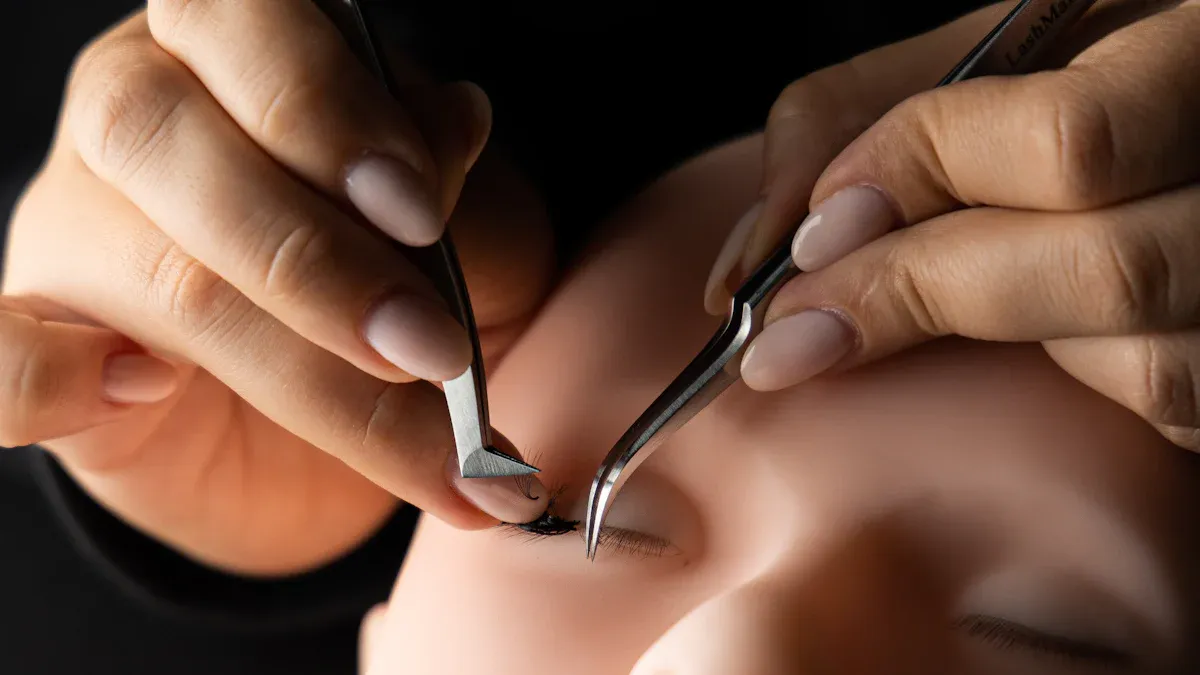
You want your mannequin to last a long time. Silicone is tough and does not scratch or tear easily. You can bend it and move it without breaking it. This means you do not have to fix it often. TPE is not as strong. It can get small scratches or tears after you use it a lot.
Note: Silicone mannequins are better for training because they can handle rough use.
Color Transfer / Stain Susceptibility
Some mannequins get stains or colors from clothes or makeup. Silicone does not stain easily. You can clean it fast if something spills. TPE can get stains from fabric or makeup. These stains stay and make the mannequin look old.
Material | Stain Resistance | Cleaning Ease |
|---|---|---|
Silicone | High | Easy |
TPE | Low | Moderate |
Oil Secretion (TPE Only)
TPE can leak oil sometimes. You might feel a sticky layer on it. This sticky part picks up dust and dirt. Silicone does not leak oil. Its surface stays clean and dry.
Heat & Chemical Resistance
Mannequins need to handle heat and cleaning products. Silicone does not melt in hot water or with strong cleaners. You can use disinfectants without hurting it. TPE can melt or change shape if you use heat or harsh cleaners.
Silicone: Works well with heat and chemicals.
TPE: Can get damaged by heat and strong cleaners.
Cleaning Difficulty Comparison
You want cleaning to be easy. Silicone is simple to wipe, wash, or disinfect. You do not need special powders or sprays. TPE needs more care. You must use powder to keep it clean and dry. Cleaning TPE takes more time and steps.
Tip: Pick silicone if you want cleaning to be quick and easy.
Realism & User Experience
Skin Texture & Detail Level
You want your mannequin to look real. Silicone has a smooth surface with tiny details. You can see pores and lines on it. Some mannequins even show veins. These details help you practice makeup or medical skills. TPE does not show as many small details. Its surface feels soft but looks less real. If you want lifelike results, silicone is the better pick.
Tip: Silicone mannequins have the most realistic skin and details.
Flexibility & Joint Behavior
You might need to move your mannequin a lot. Silicone mannequins bend well and keep their shape. Their joints feel strong and do not get loose fast. You can move the arms and legs without breaking them. TPE mannequins also bend, but their joints wear out sooner. Silicone stays flexible for a long time, so you use it more.
Weight Differences
You will notice the weight when you lift a mannequin. Silicone is heavier than TPE. Silicone mannequins weigh more than TPE ones. The extra weight makes silicone feel solid and steady. It stays in place during training or display. TPE mannequins are lighter and easier to move. But they might tip over more easily.
Long-Term Appearance Changes
You want your mannequin to look nice for years. Silicone keeps its color and shape after many uses. The surface does not fade or crack. You can clean it often and it still looks good. TPE mannequins may change over time. Their color can fade and the surface may get sticky or rough. Silicone stays realistic and nice-looking for a long time.
Note: Silicone mannequins last longer and look real, so professionals like them.
Safety & Health Concerns
Chemical Safety (Food-Grade Silicone vs Standard TPE)
You want to make sure your mannequin is safe. Food-grade silicone is made for touching skin. Makers test it to follow health rules. You can use it for a long time without worry. It does not have bad chemicals. TPE is softer and costs less. It might have plasticizers or other chemicals. These can leak out after some time. If you use TPE mannequins a lot, you might see changes. The texture or smell can change. Food-grade silicone stays the same and does not let out bad stuff.
Material | Chemical Safety Level | Approved for Skin Contact | Risk of Chemical Leaching |
|---|---|---|---|
Silicone | High | Yes | Very Low |
TPE | Moderate | Sometimes | Moderate |
Tip: Pick food-grade silicone if you want the safest option for skin.
Allergens, Odors & Plasticizers
You may worry about allergies or strong smells. Silicone does not smell and almost never causes allergies. Skin doctors say it does not react with skin. TPE can smell a little, especially when new. Some people feel itchy from plasticizers in TPE. These chemicals make TPE soft. They can bother people with sensitive skin. You want a mannequin that feels safe and clean every time.
Silicone: No smell, does not cause allergies, stays the same.
TPE: Might smell, may have plasticizers, can cause irritation.
Which Material Is Safer for Skin Contact?
You want mannequins for training, makeup, or teaching. Safety is very important. Studies show platinum silicone is safe for skin. It passes hard tests and does not cause problems. Tin-cured silicone does not pass these tests. It can cause skin issues. TPE is sometimes safe, but it depends on how it is made. If you want the safest choice, pick platinum silicone.
Platinum silicone is safe for skin when tested.
Tin-cured silicone can cause problems and is not good for long use.
Silicone compounds do not react with skin and are not toxic.
No tin-cured silicone passed skin safety tests.
Note: Platinum silicone gives you peace of mind. You can use it for hours and not worry.
Cost & Long-Term Value
Upfront Cost Comparison
You want to know how much you will spend at first. Silicone mannequins usually have a higher cost than TPE mannequins. You pay more for silicone because it looks real and lasts longer. TPE mannequins cost less, so you might choose them for short-term use or if you have a tight budget.
Maintenance Costs (TPE Oil, Repair Kits, Powdering)
You need to think about maintenance when you buy a mannequin. Silicone mannequins do not need much care. You clean them with soap and water. TPE mannequins need more work. You must use powder to keep them dry. Sometimes, TPE leaks oil, so you clean it more often. You may need repair kits for tears. These extra steps add to your cost over time.
Tip: If you want to save time and money on maintenance, silicone is the better choice.
Expected Lifespan
You want your mannequin to last. Silicone mannequins can last upwards of 45 years. They resist tears and keep their shape. TPE mannequins usually last between 2 to 5 years. TPE is prone to tearing, so you might need to replace it sooner.
Material | Expected Lifespan |
|---|---|
Platinum Silicone | Upwards of 45 years |
TPE | 2 to 5 years |
Platinum silicone has a lifespan of upwards of 45 years.
TPE typically lasts between 2 to 5 years.
TPE is prone to tearing, while platinum silicone is highly tear-resistant.
Value for Professional Environments
You want the best value for your training or display. Silicone mannequins give you long-term savings. You pay more at first, but you do not need to replace them often. TPE mannequins cost less, but you spend more on maintenance and replacements. If you use mannequins every day, silicone gives you better value and reliability.
Note: Choosing silicone means you invest in quality and save money over time.
Use Cases: Which Material Fits Your Scenario?
Photography & Film
You want your pictures and videos to look real. Platinum silicone mannequins have skin that looks lifelike. They show tiny details. Studio lights do not hurt silicone. You can put makeup on silicone. It is easy to clean off. TPE mannequins work for short photo shoots. They might get stains or lose their shape under bright lights. If you need a mannequin for many shoots, silicone is the better pick.
Retail Display
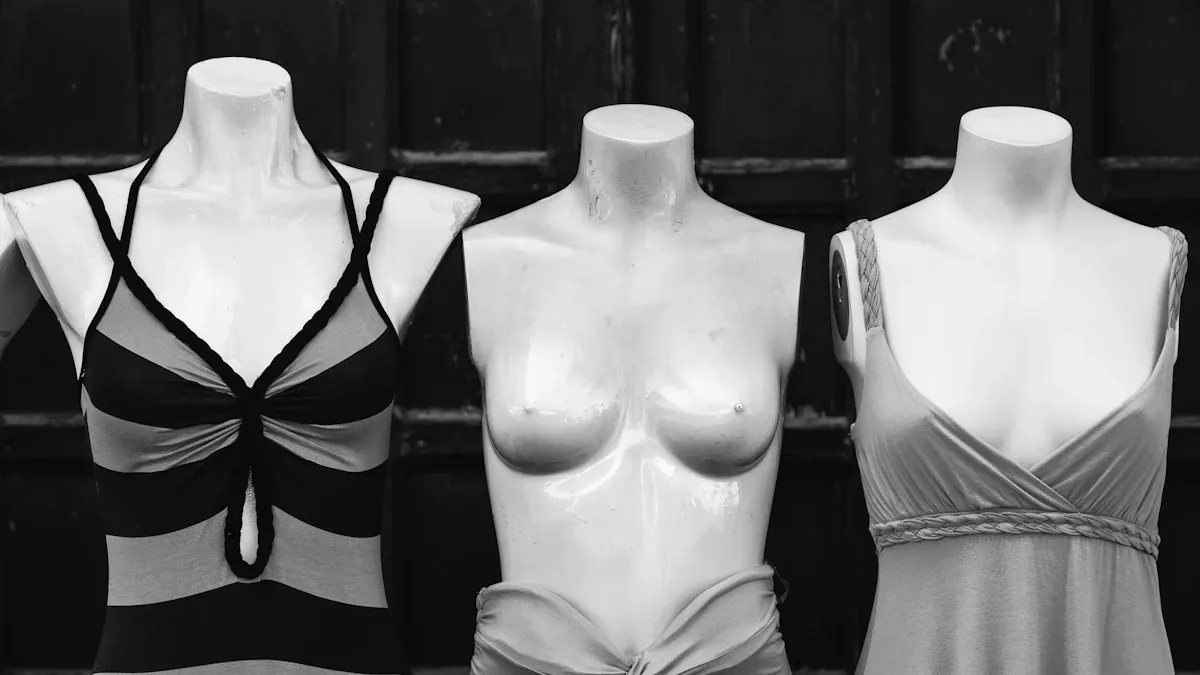
You want your store displays to look great. Stores pick mannequins with UV protection and good weight. Platinum silicone mannequins do not fade in sunlight. They keep their color. They stand steady and do not fall over. TPE mannequins are lighter and cost less. They might fade or get sticky in sunny windows. If you want your display to last, silicone is the best choice.
Tip: Silicone mannequins help your store look neat and professional.
Medical / Nursing Training
You need mannequins that help students learn well. Medical trainers use platinum silicone mannequins for real details. You see veins and skin folds. These details help you practice medical skills. TPE mannequins do not show as many details. If you want the best training, pick silicone.
Sector | Use Case Description | Key Features |
|---|---|---|
Medical | Medical trainers require anatomical accuracy | Anatomical accuracy |
Cosmetology & Makeup Practice
You want to practice makeup and hair safely. Beauty schools use mannequins with surfaces you can wash. Platinum silicone lets you put on and take off makeup many times. You clean it with soap and water. TPE mannequins may stain or get ruined by makeup. If you want a mannequin for daily practice, silicone is the best.
Education & Teaching Models
You teach students about the human body or behavior. Silicone mannequins show real skin and body shapes. You use them for anatomy or psychology lessons. TPE mannequins work for simple lessons. They do not last as long. If you want a teaching tool that stays accurate, pick silicone.
Note: Silicone mannequins work for many uses. You get real looks, safety, and value for a long time.
Why Professionals Choose Platinum Silicone
Higher Heat Stability
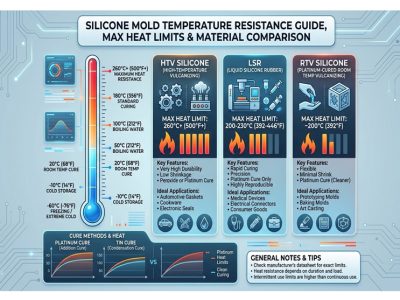
You want your mannequin to be safe in hot places. Platinum silicone can handle high heat without problems. You can use it under bright studio lights or in warm rooms. It does not melt or change shape. TPE mannequins cannot take as much heat. The table below shows how much heat each material can handle:
Material | Heat Resistance |
|---|---|
Platinum Cured Silicone | Up to 260°C (500°F) |
TPE (Thermoplastic Elastomer) | Around 135°C (275°F) |
Platinum silicone helps you feel calm. You do not have to worry about your mannequin getting soft or sticky when it gets hot.
Longer Lifespan in Daily Use
You want your mannequin to last a long time. Platinum silicone mannequins keep their shape and details for years. You can use them every day for training or display. They do not tear or scratch easily. TPE mannequins wear out faster. You might see cracks or sticky spots after a few months. When you pick a silicone mannequin, it stays strong and looks new for a long time.
Tip: You save money because you do not need to buy new mannequins often.
Realism Under Cameras / Studio Lighting
You want your mannequin to look real in pictures and videos. Platinum silicone looks very lifelike. The skin texture is smooth and real. Studio lights do not change the color or surface. You can see small details, like pores and veins, even with bright lights. TPE mannequins may lose their shape or color in strong lights. If you work with cameras, looking real is important. Platinum silicone helps you make photos and videos that look natural.
Industry Testimonials
Many professionals trust platinum silicone for their work. Trainers, artists, and photographers say good things about it. They tell stories about mannequins that last for years and still look real. One trainer said, "My silicone doll looks as good as the day I bought it, even after hundreds of practice sessions." Another photographer said, "Silicone mannequins give me the realism I need for close-up shots." You can see why experts pick platinum silicone for quality and trust.
When TPE Might Be Suitable
Budget-Conscious Buyers
You may want a mannequin that fits your budget. TPE offers a good choice when you need to save money. Many people choose TPE because of its affordability. If you do not plan to use your mannequin every day, you can get a TPE doll for less money than a platinum silicone one. You still get a product that looks good and works for basic needs.
Note: TPE mannequins cost less up front, so you can buy more for the same price as one silicone mannequin.
Here is a quick look at how TPE compares for budget buyers:
Material Type | Realism Level | Durability | Best Use Case |
|---|---|---|---|
Thermoplastic Elastomer (TPE) | ★★★☆☆ | Poor to Moderate (1–3 years) | Short-term use, low-cost models |
Short-Term Display Use
You might need a mannequin for a short event or a seasonal display. TPE mannequins work well for these situations. You can set up a TPE mannequin in a store window or at a trade show. When the event ends, you can store it away or use it again for another short project. TPE does not last as long as silicone, but it holds up for short periods.
Use TPE mannequins for pop-up shops.
Try them for holiday displays.
Choose TPE for quick product launches.
Temporary Photography Projects
You may need a mannequin for a photo shoot that lasts only a few days. TPE mannequins give you enough realism for most photos. They are easy to move and set up. If you do not need the mannequin after the project, you save money by choosing TPE. Many photographers use TPE mannequins for practice shots or one-time projects.
Tip: TPE mannequins help you stay on budget for short-term photography needs.
Common Misconceptions
“TPE Is Softer, So It’s Better” — Not Always True
You might hear that TPE feels softer than silicone. Many people think this means TPE is always better. This is not true for every use. Softness can feel nice, but it does not always help with training or display. Sometimes, TPE feels too soft and loses its shape. You may notice that TPE mannequins bend or sag after a short time. Silicone can also feel soft, but it keeps its form much better. If you need a mannequin that holds poses or shows details, silicone gives you better results.
Tip: Softness does not always mean better quality. Think about what you need your mannequin to do.
“Silicone Is Unbreakable” — It Can Tear if Thin
Some people believe silicone mannequins never break. This is not true. Silicone is strong, but it can tear if you make it too thin or stretch it too much. You should handle all mannequins with care. If you use sharp objects or pull hard on thin parts, silicone can rip. Good manufacturers make mannequins with the right thickness to avoid this problem. You can trust silicone to last, but you still need to treat it well.
Handle mannequins gently.
Avoid pulling on thin areas.
Store mannequins in a safe place.
“TPE Is Unsafe” — Quality Varies Widely
You may hear that TPE is always unsafe. This is not correct. TPE quality depends on how the manufacturer makes it. Some TPE mannequins use safe, tested materials. Others may use cheaper chemicals that can cause problems. You should always check for safety certificates and reviews before you buy. If you pick a trusted brand, you can find TPE mannequins that are safe for short-term use.
Note: Not all TPE is unsafe. Always look for safety information from the seller.
Final Recommendation: Which Should You Choose?
Best Choice for Realism
If you want the most lifelike mannequin, choose a silicone doll. The skin texture and fine details look and feel real. You can see tiny lines and even veins. Makeup artists and photographers often pick silicone for this reason. When you need a mannequin that looks just like a real person, this is your best option.
Best Choice for Training / Simulation
For training or simulation, you need a mannequin that can handle daily use. Silicone stands up to rough handling and frequent cleaning. Medical trainers and beauty schools trust silicone because it does not tear or stain easily. You can practice many skills on the same doll for years. This makes your training sessions more effective and safe.
Best Choice for Long-Term Use
If you want a mannequin that lasts, pick silicone. It keeps its shape and color for many years. You do not have to worry about sticky surfaces or fading. Many professionals say their silicone mannequins still look new after years of use. This long lifespan saves you money over time.
Tip: Investing in a high-quality mannequin now means fewer replacements later.
Best Choice for Tight Budgets
If you need to save money, TPE mannequins offer a good solution. You can use them for short-term projects or displays. TPE costs less up front. If you do not need your mannequin to last for years, this choice works well. Just remember, you may need to replace your TPE doll sooner.
Need | Best Material |
|---|---|
Realism | Silicone |
Training/Simulation | Silicone |
Long-Term Use | Silicone |
Tight Budgets | TPE |
You should think about how you plan to use your mannequin. If you want the best look, safety, and value, a silicone doll is the top choice. For short-term or budget needs, TPE can work, but it will not last as long.
You want a mannequin that is strong and looks real. Platinum silicone gives you these good things. Professionals pick it for many reasons. It does not break or get damaged easily. The skin looks and feels like a real person. You can touch it safely. You do not spend extra money fixing or replacing it.
It does not break easily.
The skin looks real.
It is safe to touch.
You save money in the long run.
Platinum silicone is the best for serious training. Think about what you need. Experts trust silicone because it works well for a long time.
FAQ
How do you clean a platinum silicone mannequin?
You can clean platinum silicone mannequins with mild soap and water. Use a soft cloth to wipe the mannequin gently. Do not use strong chemicals. The surface stays smooth and does not need powder.
Can you use makeup on both silicone and TPE mannequins?
You can put makeup on both types of mannequins. Silicone mannequins are easy to clean after using makeup. TPE mannequins might get stains, so use gentle makeup and clean them fast.
Which mannequin feels more like real skin?
Platinum silicone mannequins feel more like real skin. You can see small details and the surface is smooth. TPE mannequins are soft but do not look or feel as real.
Tip: Pick platinum silicone if you want the most real touch and look.
How long does each mannequin last?
Material | Average Lifespan |
|---|---|
20–45 years | |
TPE | 2–5 years |
Platinum silicone mannequins last for many years. TPE mannequins need to be replaced sooner.