LKprototype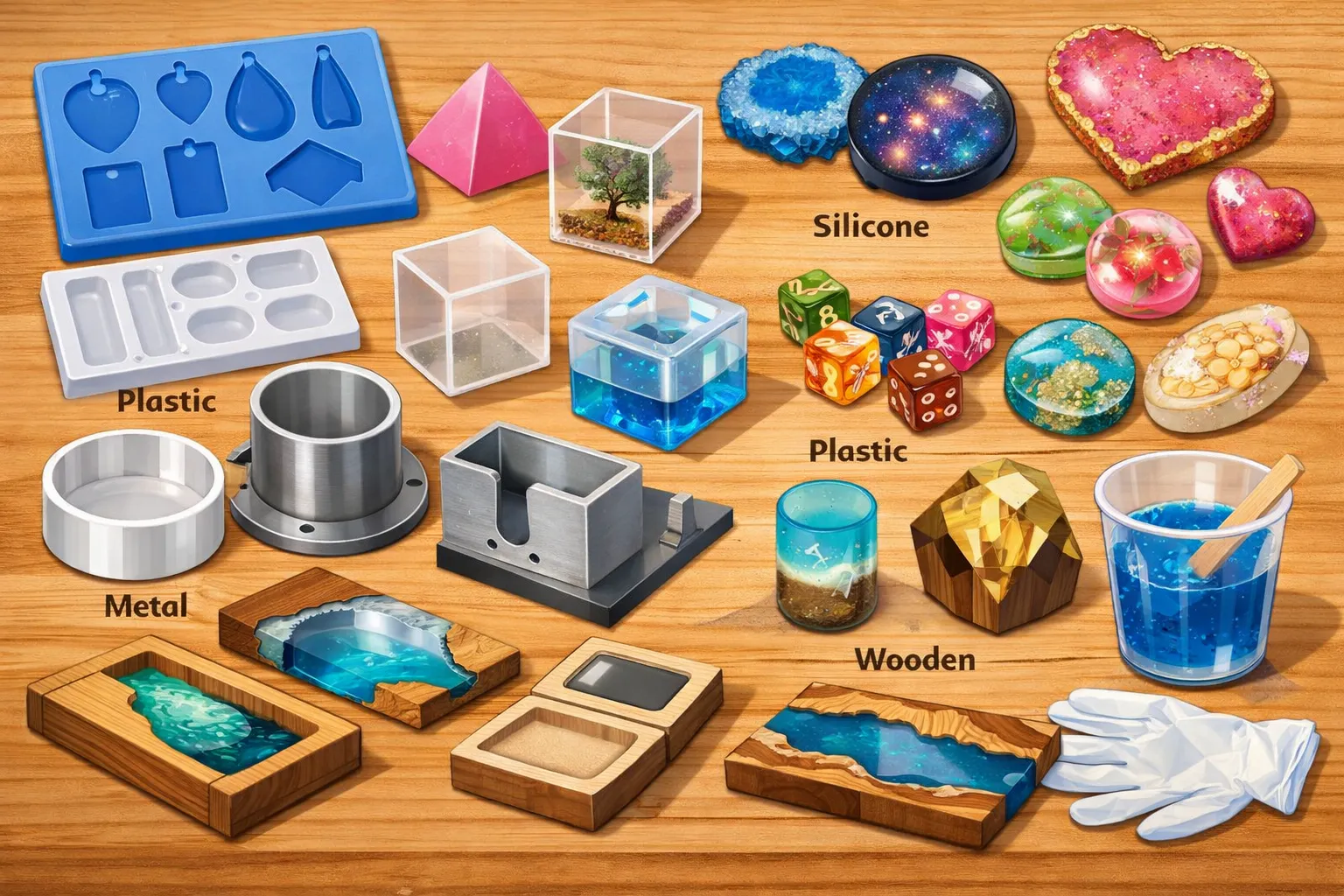
You use epoxy resin casting moulds to shape resin for projects. Sometimes, resin gets stuck in a mould. You may also see bad details on finished pieces. This can happen if you choose the wrong mould type or material. Silicone moulds help stop these problems. They are flexible and have non-stick surfaces. Many crafters use special moulds for casting resin. Some use deep pour moulds or custom moulds. You should match your mould to your resin and project needs. This helps you get the best results.
Key Takeaways
Pick silicone moulds if you want smooth resin pieces. They bend easily and resin does not stick to them, so you can remove your project easily.
Use a mould that fits your resin and project. This helps your project look better and have fewer mistakes.
Think about how long your mould will last and if you can use it again. Silicone moulds last longer than plastic ones. Metal moulds are good for big projects and give exact shapes.
Clean your moulds every time you finish using them. This keeps them in good shape and makes your next project look nice and smooth.
Look at the size and wall thickness of your mould. The right size stops air bubbles and helps the resin spread evenly.
Why Choosing the Right Epoxy Resin Casting Mould Matters
Impact on Casting Quality and Detail
Surface finish and detail replication
You want your resin art or jewellery to look smooth and detailed. The right mould helps you get a perfect finish. Silicone moulds work well because they capture tiny details. If you use a rigid mould, you may see lines or marks on your casting. The best epoxy resin flows into every part of the mould, so you see clear shapes and sharp edges. When you use deep pour epoxy resin, you must watch for bubbles. Thicker layers can trap air, which makes the surface look cloudy. Always follow the guide from the manufacturer about layer thickness. This helps you avoid bubbles and get a clean finish.
Dimensional accuracy and defect risk
Choosing the right mould keeps your casting the right size and shape. If the mould bends or stretches, your resin piece may not fit your project. A strong mould gives you the same result every time. You also lower the risk of cracks or defects. The table below shows how resin properties affect your casting:
Property | Description |
|---|---|
Viscosity | Casting resin has a thin viscosity, letting bubbles escape and stopping overheating during curing. |
Air Bubbles | Thick layers can trap bubbles, which hurt the look of your casting. |
UV Resistance | Some resins have UV stabilizers to stop yellowing in clear castings. |
Heat Resistance | Different resins handle heat in different ways, which changes how long your project lasts. |
Ease of Demolding and Process Efficiency
Mold flexibility and part release
You want to remove your resin piece without damage. Flexible silicone moulds make demoulding easy. The resin pops out with little effort. Rigid moulds may need a release agent or more force. This can slow down your process and hurt your casting.
Risk of part damage during demolding
If you use the wrong mould, you might break your resin piece. A flexible mould bends and lets you take out the casting safely. This is important for detailed art or jewellery. The table below shows how mould choice affects your work:
Evidence Description | Impact on Demolding Time and Process Efficiency |
|---|---|
Large moulds need longer impregnation time in a vacuum chamber. | Longer times slow down your project. |
Moulds that open without cracks or damage give good results. | Durable moulds help you get better castings. |
You can use some moulds 10 times with no damage. | Good moulds save you time and money. |
Cost, Durability, and Reusability
Mold lifespan and reuse cycles
You want your mould to last for many projects. Silicone moulds can be used again and again if you care for them. Rigid moulds may wear out faster, unless they are metal. The table below compares silicone and rigid moulds:
Feature | Silicone Molds | Rigid Molds |
|---|---|---|
Flexibility | High – bends and stretches | None – stiff, no give |
Ease of Demolding | Easy – resin pops out | Difficult – needs force or release |
Durability | Long-lasting with care | Plastic may wear; metal lasts long |
Cost | Moderate – reusable | Low to high |
Cost efficiency for prototypes and small batches
If you make only a few pieces, silicone moulds give you good value. You can use them for many types of resin projects. For large batches, you may choose metal moulds for more durability. Always match your mould to your resin and project needs for the best results.
Tip: Clean your mould after each use to make it last longer and keep your castings looking great.
Types of Epoxy Resin Casting Moulds
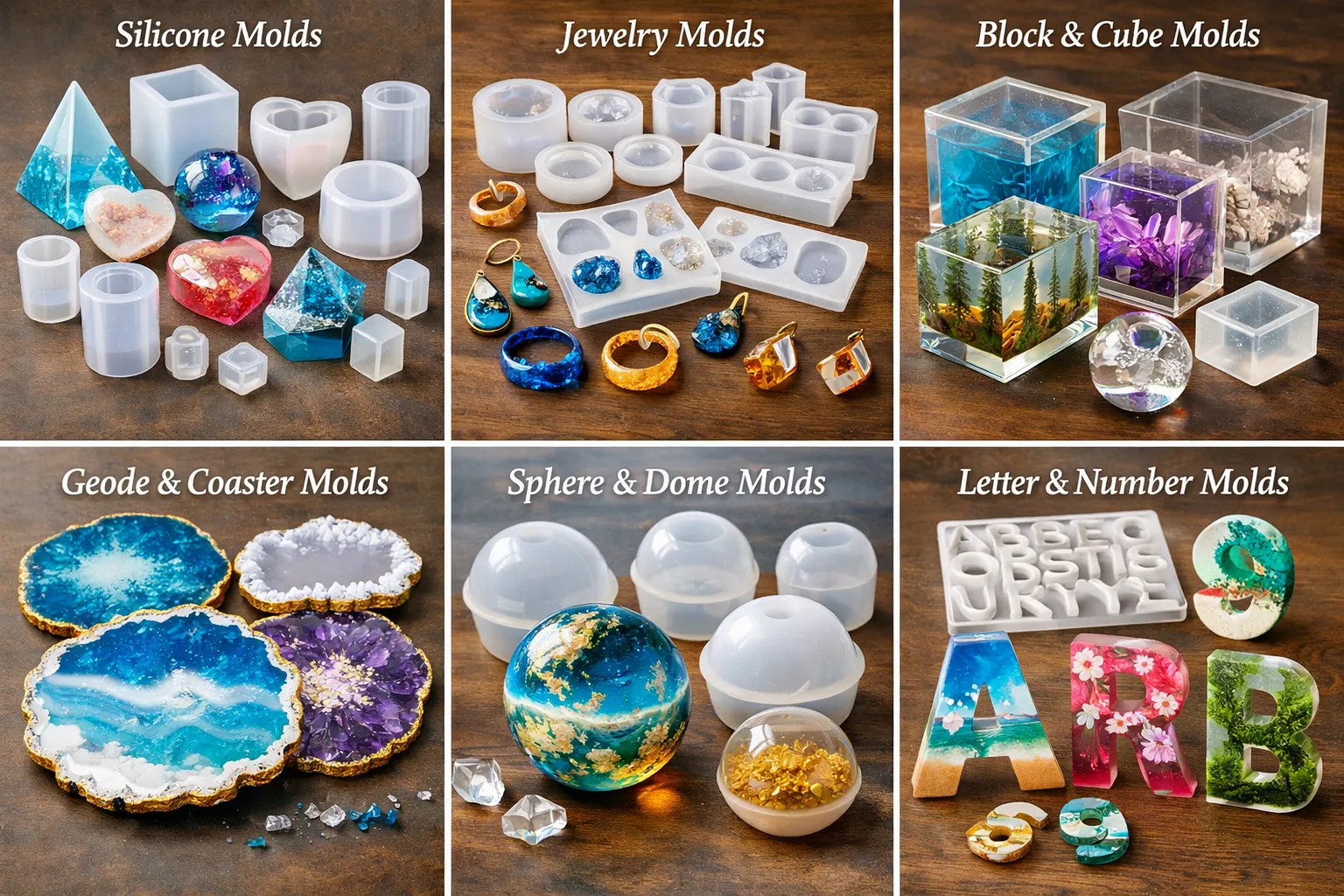
Silicone Moulds for Epoxy Resin Casting
Key properties of silicone moulds
Silicone moulds are good for many resin projects. They feel soft and can bend easily. You can take out your casting without breaking it. Silicone does not stick to epoxy resin. This helps you get smooth and detailed results. You can use silicone for deep pour resin art or jewellery.
Here is a table that shows how silicone moulds and metal moulds are different:
Aspect | Silicone Moulds | Steel/Aluminium/Teflon Moulds |
|---|---|---|
Cost | Relatively cheap | Higher financial outlay |
Durability | Less durable and repeatable | More durable, lower wear and tear |
Dimensional Compliance | Affects dimensional compliance negatively | Better dimensional compliance |
Air Bubble Formation | Affected by mould construction and orientation | Less affected |
Surface Properties | May absorb release agents, affecting properties | More consistent surface properties |
Ease of Casting and Releasing | Easier due to flexibility | More difficult |
Note: Silicone moulds are easy to use. They do not last as long as metal moulds.
Typical applications and limitations
You can use silicone moulds for small art, jewellery, and shapes. These moulds help you get clear and sharp results. If you use them many times, they may wear out. Silicone can stretch and change the size of your casting.
Rigid Moulds for Epoxy Casting
Plastic moulds
Plastic moulds cost less and shape resin well. They work best for simple and flat designs. You may need a release agent to help remove the resin. Plastic moulds can wear out after many uses.
Metal moulds
Metal moulds last a long time. They give you precise and repeatable results. You can use them for big projects or industrial castings. It can be hard to remove resin from metal moulds. You may need special tools or agents.
Rigid moulds do not bend. This helps you get stable shapes and good accuracy. They do not show fine detail as well as silicone. Demoulding is harder with rigid moulds, especially for tricky shapes.
Custom Epoxy Resin Casting Moulds vs Off-the-Shelf Moulds
Standard moulds for simple resin parts
You can buy ready-made moulds for basic shapes. These moulds cost less and arrive fast. For example, some suppliers sell silicone coaster moulds for under $4 each. You can order just a few pieces.
Custom moulds for prototypes and functional components
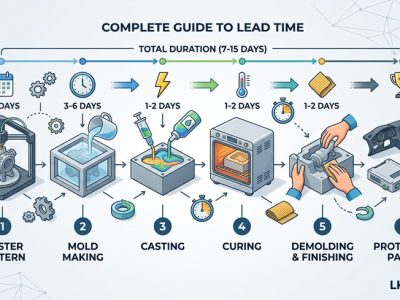
If you need a special shape, you can order a custom mould. Custom moulds match your design exactly. They are good for prototypes or special parts. You may wait 7 to 14 days for them to be made.
Cost and lead-time comparison
Supplier | Product Type | Price Range | Min. Order | Key Advantage |
|---|---|---|---|---|
Dongguan Art Kitchenware | Silicone Molds (Coasters) | $0.47–$3.89/unit | 2 pieces | Fast, low cost |
Spacepeak Silicone | Large Table & Jewelry Molds | $0.99–$11.00/unit | 10 pieces | Industrial sizing |
Mei Taibang Chemical | Custom Molds | $4.90–$12.00/kg | 1 pc | Full customization |
Tip: Use ready-made moulds for quick jobs. Pick custom moulds if you need a special fit for your project.
Epoxy Resin Casting Mould Materials Compared
Silicone as a Mold Material
Detail reproduction capability
Silicone moulds help you see tiny details in resin art. They feel soft and bend easily, so you can take out your project without breaking it. This bending helps show lines and textures. Many people use silicone for deep pour epoxy resin. It gives a smooth look and makes it simple to remove your piece. Silicone is good for mixing and pouring resin. You will see clear shapes and sharp edges in your finished work.
Silicone molds bend and are easy to use, so you get nice details.
Silicone does not turn yellow and lasts longer than plastic molds.
You can use silicone with many resins, like casting resin and epoxy casting resin.
Heat resistance and compatibility with epoxy resins
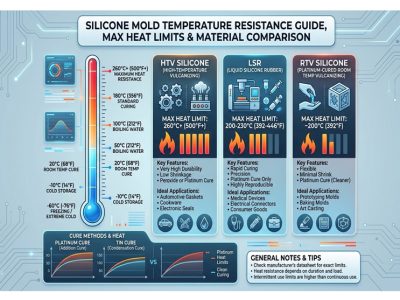
Silicone moulds can handle high heat. You can pour hot epoxy into them and they will not break. This is why many people pick silicone for epoxy resin casting moulds. Silicone does not mix with resin, so your project looks clean every time. You can use silicone for thick pours and deep projects.
Plastic Mold Materials
Budget-friendly options
Plastic moulds cost less than silicone or metal ones. You can buy them for simple shapes or small projects. Plastic works for basic resin casting, but you might need a release spray to get your piece out. Plastic does not last as long as silicone, especially if you use it a lot.
Durability and temperature limitations
Plastic moulds do not work well with heat. If you pour hot epoxy, plastic can bend or break. The table below shows how heat and cold change epoxy:
Condition | Effect on Epoxy Materials |
|---|---|
Cold | Makes working time longer and slows down curing; may not cure at all if too cold. |
Heat | Makes pot life shorter and cures faster. |
Epoxy resin cures best between 130°C and 160°C. Plastic moulds may not work for hot projects.
Metal Mold Materials
Precision and repeatability
Metal moulds give you exact shapes every time. You can use metal for big projects or when you need the same shape again and again. Metal does not bend, so your resin pieces stay the right shape. Metal moulds last longer than plastic or silicone.
When metal moulds are suitable for epoxy resin casting
You should use metal moulds if you make lots of pieces or need perfect sizes. Metal works well with epoxy casting resin that gets hot when curing. You might need special tools to get your piece out, but metal gives a strong finish.
Mold Material Comparison Overview
Flexibility vs rigidity
Silicone moulds bend, so it is easy to take out your project.
Metal moulds are stiff, which helps keep shapes perfect.
Plastic moulds are in the middle, but do not show detail like silicone or last as long as metal.
Durability and expected service life
Silicone lasts for many uses and does not turn yellow.
Metal moulds last the longest.
Plastic moulds wear out faster, especially if you use them a lot.
Typical use cases by industry
Art and jewellery makers use silicone for detail and easy removal.
Factories use metal for perfect shapes and making many pieces.
People making a few items or testing ideas use plastic because it is cheap.
When you pick a mould, think about what it is made of, how many you want to make, how hard the shape is, and the price. Casting resin is good for thick pours. Epoxy resin can be soft or hard. Use this guide to help you pick the right mould for your resin and your project.
How to Choose the Right Epoxy Resin Casting Mould
Mold Size, Shape, and Wall Thickness
Resin flow and air entrapment
When picking a mould, think about its size and shape. Wall thickness is also important for resin casting. Thin walls or tricky shapes can make resin hard to pour. Air might get stuck and make bubbles in your project. If your mould has lots of small details, you need extra steps. You can help by venting the mould or using a vacuum on the resin. Pressing the mould during curing can also help stop bubbles.
Wall Thickness (mm) | Implications on Resin Flow and Air Entrapment |
|---|---|
1.5 - 4 | Best for resin flow, cooling, and strong parts. |
< 1.5 | Can make weak spots and uneven filling. |
0.75 (minimum) | Needs support; bubbles can form easily. |
Structural stability of the mould
A strong mould keeps its shape while you pour resin. Thin walls might bend or break, making weak resin pieces. You want a mould that holds up and helps your project stay strong.
Compatibility with Epoxy Resin Systems
Resin viscosity considerations
You need to match your resin to your mould. Thick resin does not fill small spaces well. Thin resin flows better and helps stop bubbles. Deep pour epoxy resin is good for thick art and jewelry. Mixing resin the right way also helps it flow.
Heat generation and exotherm control
Epoxy gets hot as it cures. High heat can ruin normal mould coatings. This makes the mould wear out faster. Use a release agent to keep resin from sticking. Special coatings and smooth finishes help with release and make moulds last longer.
Detail Requirements and Surface Finish
Smooth vs textured surfaces
If you want a smooth piece, pick a mould with a shiny surface. Textured moulds give your project a special look. Good epoxy resin shows small details, so pick a mould that fits your style.
Optical and cosmetic part requirements
For clear or pretty pieces, use a mould that does not trap bubbles. Silicone moulds are great for clear resin projects. They work well for art, jewelry, and anything that needs to look perfect.
Temperature and Curing Conditions
Heat resistance of mould materials
Epoxy cures best at about 22°C or 72°F. If it is cold, curing takes longer. Cold resin gets thick and is hard to pour. Warm up your room and resin to get the best results.
Impact on mould lifespan
High heat can make moulds wear out faster. Silicone lasts longer than latex or vinyl. Metal moulds handle heat well and can be used many times.
Custom vs Standard Mold Selection
Prototyping and one-off projects
For new ideas or single projects, standard silicone moulds are a good pick. They bend, can be used again, and resin does not stick. You can use them for many shapes and sizes.
Low-volume and repeat production
If you need to make lots of pieces, custom moulds give you the exact shape you want. Silicone is the best choice for epoxy resin casting. Polyurethane, latex, and vinyl do not last as long or release resin as well.
Material | Flexibility | Reusability | Non-stick Properties |
|---|---|---|---|
Silicone | High | Yes | Yes |
Polyurethane | Moderate | No | No |
Latex | Low | No | No |
Vinyl | Low | No | No |
Tip: Always think about your project, finish, and resin before picking a mould.
How to Use Epoxy Resin Casting Moulds (Process Overview)
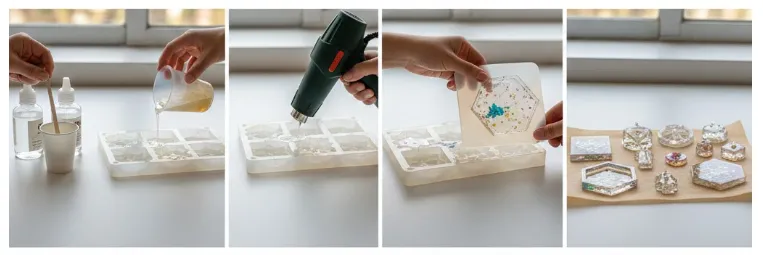
Preparing the Mold
Cleaning and mold release agents
You start every resin project with mould preparation for casting. Clean your mould with rubbing alcohol to remove dust and oils. This step helps you get the best epoxy resin results. Use a mold release agent if your mould is rigid or if you want to make demoulding your epoxy resin casting easier. Silicone moulds often do not need release agents, but plastic and metal molds do. A clean mould gives you smooth resin art and stops defects.
Tip: Always check your mould for leftover resin before you begin a new casting project.
Pouring and Curing Epoxy Resin
Avoiding bubbles and incomplete fills
When pouring your casting resin, use gentle mixing techniques. Stir your resin and hardener slowly to keep bubbles out. Work in a room with a temperature between 22°C and 25°C. You can pre-warm your resin and hardener for better flow. Pour slowly and evenly so the resin settles into every part of the mould. After pouring, use a heat gun to remove bubbles from the surface. Do not use a hair dryer because it can make bubbles worse. If you see dimples, sand the area and re-pour a thin layer of resin.
Here is a table with tips for pouring and curing epoxy:
Step | Technique |
|---|---|
Mixing | Stir slowly and gently |
Pouring | Pour evenly and let resin settle |
Bubble Removal | Use a heat gun, not a hair dryer |
Temperature | Work at 22-25°C |
Demolding and Post-Processing
Safe part removal
You need to know how to use epoxy casting resin for safe demoulding. Wait until your resin project cures fully. Most epoxy resins cure in a few hours, but some need up to several days. Always check the manufacturer's instructions for cure times. Test the hardness before you remove your casting from the mould. If you rush, you might damage your art or casting resin piece.
Basic finishing considerations
After you remove your resin from the mould, you can trim rough edges. Sand the surface for a smooth finish. You can polish or tinting casting resin for extra shine. Try different techniques to make your resin crafting unique. Think about what can i make with casting resin—jewelry, coasters, or art pieces. What is casting resin? It is a material that lets you create many casting projects with detail and color.
Note: Always wear gloves when handling resin and molds to protect your skin.
Common Questions About Epoxy Resin Casting Moulds
What is the best mould material for epoxy resin casting?
You want your resin projects to turn out great. Many experts say metal epoxy composite molds are best for inserts. These molds use fillers like aluminum, brass, or copper. Fillers make the molds strong and tough. Mixing and curing the materials the right way helps a lot. Metal molds last longer than plastic or silicone. They also show more detail in your castings.
Metal epoxy composite molds have aluminum, brass, or copper fillers.
Mixing and curing well makes molds strong.
These molds give you good detail and can be used again.
How many times can epoxy resin casting moulds be reused?
Silicone molds can be used many times if you clean them. Metal molds last even longer and work for lots of resin pours. Plastic molds wear out faster, especially with big projects. Always look for cracks or damage before you start casting.
Tip: Clean your mold after each use. This helps it last longer and gives you smooth resin pieces.
Can epoxy resin damage silicone moulds?
Epoxy resin does not usually stick to silicone molds. This makes it easy to take out your resin and get smooth results. If you use your mold a lot, the shiny surface can wear off. Resin may start to stick and make it hard to remove. You can use a release agent to protect your mold and help it last longer.
Silicone molds do not stick at first, but lose shine after many uses.
Release agents help stop sticking and make molds last longer.
Resin can stick after lots of use and hurt the mold.
Are custom epoxy resin moulds worth the cost?
Custom molds help you make special shapes for your resin projects. They save money for small batches and test pieces. Custom molds let you work fast and change designs easily. They are best for special orders or unique projects.
Custom molds save money for small batches and prototypes.
You get quick work and can change designs.
They are good for special orders and unique shapes.
Which mould materials work best for high-temperature epoxy resins?
Some resin casting needs molds that can handle high heat. The table below shows products that work well with hot epoxy. These molds use special coatings and fillers to stop heat damage.
Product Name | Description | Service Temperature |
|---|---|---|
EG160 High Temp Epoxy Tooling Gelcoat | Epoxy coat for hand-laminating molds | Up to 160°C (320°F) |
EMP160 High Temp Epoxy Molding Paste | Glass-filled epoxy for strong molds | Up to 160°C (320°F) |
EL160 High Temp Epoxy Laminating Resin | High performance laminating epoxy | High service temperature |
Freeman 850/51 High-Temperature Epoxy Casting System | Aluminum-filled epoxy, heated post cure | Up to 350°F (177°C) |
These high-temperature materials make strong molds and safe castings.
You can pick from many types of resin casting moulds. The table below shows different materials and what they are like:
Material | Properties |
|---|---|
Silicone | Flexible, reusable, non-stick |
Polyurethane rubber | Sensitive to moisture, can form bubbles |
Latex and vinyl | Less durable, less versatile |
Epoxy resin | Clear, easy to use, great for beginners |
Polyurethane resin | Fast curing, cost-effective, less clarity |
UV resin | Quick cure under UV, ideal for small projects |
Choosing the right mould for your resin and project helps a lot. You will see better details and it is easier to take out your piece. Your castings will last longer too. Silicone molds are great for tiny or fancy shapes. To get good results, start with small projects. Always read the instructions and write down what you do. Try out different molds and resins to find what you like best.
What is the best way to clean epoxy resin molds?
You should wash your molds with warm, soapy water. Dry them with a soft cloth. For stubborn resin, use rubbing alcohol. Avoid sharp tools. This keeps your molds smooth and ready for the next project.
Can you use the same mold for different resin colors?
Yes, you can use one mold for many colors. Clean the mold well between uses. This stops color mixing. If you want pure colors, always check for leftover resin before pouring a new batch.
How do you stop bubbles in epoxy resin casting?
Mix your resin slowly to avoid bubbles. Pour the resin gently into the mold. Use a heat gun or torch to pop bubbles on the surface. Work in a warm room for best results.
Which mold material lasts the longest?
Mold Material | Lifespan | Best Use |
|---|---|---|
Metal | Very Long | Large batches |
Silicone | Moderate | Art and jewelry |
Plastic | Short | Simple projects |
Tip: Choose metal molds for many castings. Pick silicone for detailed work.