LKprototype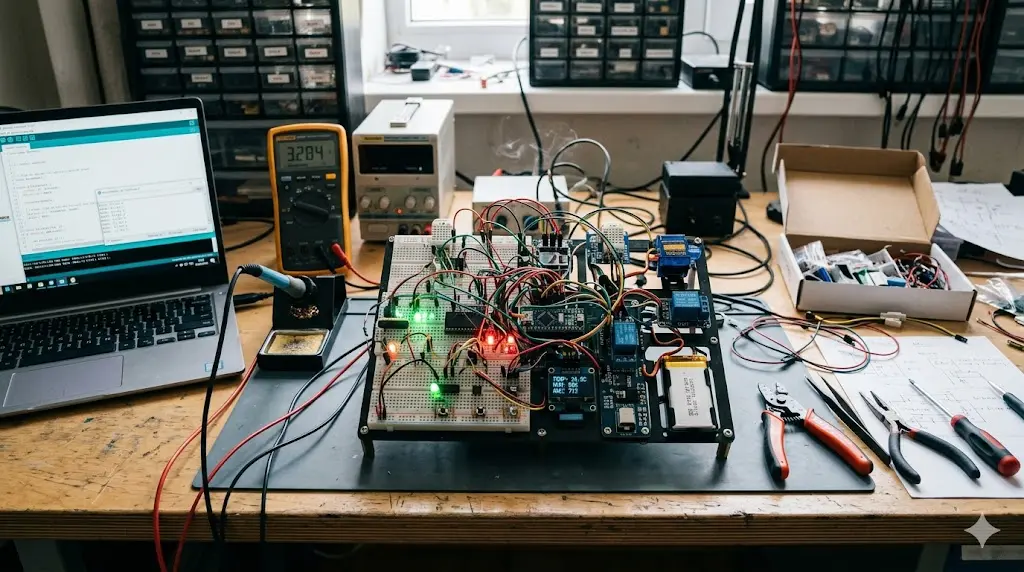
You begin working in consumer electronics by starting with electronic prototyping. Electronic prototyping helps you turn your ideas into real products. This process lets you test your designs quickly and identify issues early on. You can use rapid methods like CNC machining or 3D printing for electronic prototyping to create working models fast. These tools allow you to see what works and what needs improvement. Choosing the right manufacturer for your electronic prototyping will streamline your process and help you achieve better results.
Key Takeaways
Begin with an electronic prototype to try your ideas. This helps you find problems early. It saves both time and resources.
Pick the best prototyping service for your project. Functional prototypes show how your device works. Looks-like prototypes focus on the design.
Use a clear product development process. Each step, from checking your idea to testing, makes your design better. It also helps you launch faster.
Try rapid prototyping methods like CNC machining and 3D printing. These let you build and test quickly. This lowers costs and makes designs more accurate.
Choose a manufacturer who knows your product type. Good communication and quality control are important for successful prototyping and production.
ELECTRONIC PROTOTYPING OVERVIEW
WHAT IS AN ELECTRONIC PROTOTYPE
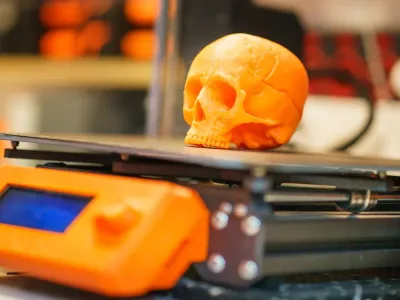
When you want to make your idea real, you start with an electronic prototype. This is a model that shows how your device works. You use it to test features and check if your design does what you want. This step helps you find problems early. You can fix things before making the final product. You might use simple materials or tools like 3D printers to build your prototype. By building and testing, you learn what works and what needs to change.
TYPES OF ELECTRONIC PROTOTYPING SERVICES
There are different prototyping services for consumer electronics. Some services make models that look like the real device. Others build prototypes that work like the finished product. You can use rapid prototyping methods like CNC machining or 3D printing for fast results. Many services offer PCB assembly so you can test the electronics inside. Some services help with software and user interface testing. Each service helps you get closer to making your product.
Tip: Pick a prototyping service that matches your project. If you want to test how your device works, choose a functional prototype service. If you want to show the design, pick a looks-like prototype service.
Here are the main steps in electronic prototyping for consumer electronics:
Stage | Description |
|---|---|
Stage 1: Preliminary Production Design | You make a design that connects ideas with manufacturing. This includes engineering details and thermal analysis. |
Stage 2: Functional Prototype with PCB Assembly | You turn your design into hardware. You test and check the prototype using real parts. |
ROLE OF ELECTRONIC PROTOTYPE MANUFACTURERS
Electronic prototype manufacturers help you turn your idea into a real product. They guide you from your first idea to a device ready for the market. You count on them to find design problems and check if your prototype works. They help you improve your design before making many products. Manufacturers make sure your product is reliable and meets rules. You can make models to test main functions and get feedback from others. This feedback helps you finish your product details.
Electronic prototype manufacturers help you go from idea to product.
They help you find problems, test how it works, and make it better.
You need their skills to make sure your product is ready to build.
FROM CONCEPT TO ELECTRONIC PROTOTYPE
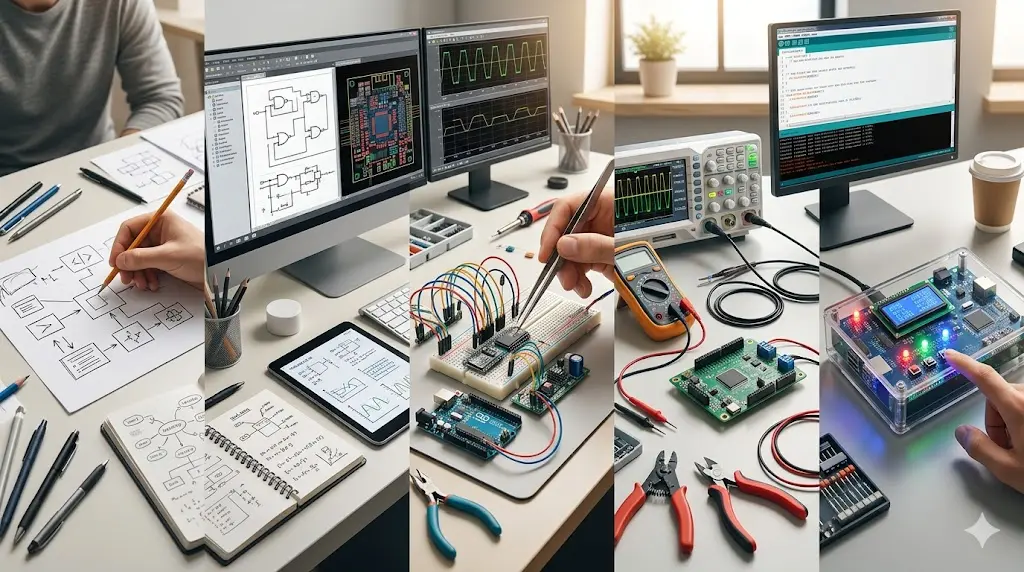
IDEA VALIDATION AND PRODUCT DEFINITION
You must check if your idea solves a real problem. Do this before you start building anything. There are a few ways to see if your electronic product will work:
Look at what your competitors sell. This shows what is good and what is not.
Use crowdfunding sites like Kickstarter or Indiegogo. These let you share your idea and hear from real people.
Make a proof-of-concept prototype. This simple model shows if your product can fix the problem.
These steps help you figure out what your product should do. You also learn which features are most important. You find out what makes your product special.
ELECTRONIC PRODUCT DEVELOPMENT PROCESS
You follow steps to make and test your electronic product. This keeps you organized and helps you finish faster. Here is a common way to develop a product:
Think of ideas for your product.
Go online and do market research.
Make a clear plan for your product.
Write a project timeline with details.
Build and test your design.
Make a small batch to test.
Check for safety and get certified.
Get ready to make lots of products.
This process takes you from an idea to a real product. Each step helps make your design better and your prototype more useful.
KEY STAGES IN RAPID ELECTRONIC PROTOTYPING
Rapid prototyping lets you build and test fast. You can find problems early and fix them before spending too much money. The process has many important stages:
Stage | Description | Impact on Timelines |
|---|---|---|
1 | Concept Development | You come up with ideas and see if they work. This gives your project a strong start. |
2 | Design and Prototyping | You make early models to test your ideas. This helps lower design risks. |
3 | Testing and Validation | You check if your model works for users. This keeps your project moving forward. |
4 | Refinement | You use feedback to make your design better. This saves time later. |
5 | Production | You finish your product so it can be made. This helps you sell it sooner. |
Each stage in prototyping helps you make better choices. When you learn these steps, you can build your product faster and make fewer mistakes.
WHY ELECTRONIC PROTOTYPING IS ESSENTIAL
REDUCING PRODUCT DEVELOPMENT RISK
You want your product to succeed. Electronic prototyping helps you lower the risk in product development. When you build a prototype, you can test your ideas before spending a lot of money. You find problems early and fix them fast. This step saves you time and resources.
You can use real-world data to make better choices.
You can reduce the number of tests needed by using smart planning.
You can cut down on costs by making fewer mistakes.
Many companies see up to a 40% reduction in the number of tests needed when they use prototypes. You can avoid big surprises later in your project.
IMPROVING DESIGN ACCURACY
You want your design to match your vision. Prototyping lets you see and touch your product before it goes to market. You can check if your design works in real life. You can test your prototype in different conditions, like heat or cold. This helps you make sure your product is reliable.
You can share your prototype with your team and get feedback.
You can make changes to your design quickly.
You can show your prototype to clients, engineers, and manufacturers. This helps everyone understand the product.
When you develop and prototype, you make your design better with each step. You can avoid confusion and make sure your product meets your needs.
SPEEDING UP TIME TO MARKET
You want your product to reach customers fast. Electronic prototyping helps you move quickly from idea to finished product. You can test, change, and improve your design without waiting for long production times. Many companies see up to a 30% faster time to market when they use prototypes.
You can fix problems before they slow you down.
You can get your product ready for launch sooner.
You can stay ahead of your competition.
Prototyping gives you the tools to build, test, and improve your product faster. You can turn your ideas into real products and reach the market before others.
PLANNING YOUR ELECTRONIC HARDWARE PRODUCT
DEFINING FEATURES AND TECHNICAL REQUIREMENTS
You start by making a list of features you want. You decide what your product should do. You think about how well your hardware will work. You check if people can use your product easily. You also think about how your product can change and be fixed. These things help you make a good design.
Feature | Description |
|---|---|
Availability | Will your hardware work without downtime? |
Accessibility | Can your product reach all users? |
Adaptability | Will your hardware keep its value over time? |
Usability | Is your product simple to use? |
Reliability | Does your hardware work correctly every time? |
Auditability | Can you trace and check your product’s actions? |
Maintainability | Is it easy to update your hardware? |
Performance | Does your product run fast and use resources well? |
You use prototyping to test each feature. Every prototype helps you learn something new. You start with a simple model. You keep working until you have a finished electronic hardware product.
EARLY DESIGN SKETCHES AND SCHEMATICS
You draw early sketches to show your ideas. You make a block diagram to see your hardware. You put parts that go together in the same place. You arrange them to follow the signal flow. You label each part so it is clear. You try not to cross lines. You use the right symbols for power and ground. You write down your design so you can check it later. You build and test your prototype in different ways to see how it works.
Tip: Good sketches and schematics help people understand and improve your design.
CHOOSING ELECTRONIC PROTOTYPE MANUFACTURERS
You pick a manufacturer by looking at important things. You check if they can handle your project. You decide what your product needs to do. You think about your budget and how many you want to make. You look at how fast they can finish your order. You see if they have made products like yours before. You check if they have good equipment. You make sure they check their work for quality. You ask if they can change the design for you. You see if they can help with prototyping and testing. You want to talk with them easily. You want them to work with you as a team.
Criteria | Description |
|---|---|
Specific Requirements | Does the manufacturer meet your hardware needs? |
Technical Specifications | Can they match your product’s design and performance? |
Critical Factors | Do they fit your budget and timeline? |
Experience | Have they made similar hardware before? |
Facilities | Do they use modern equipment? |
Quality Control | Do they ensure reliable products? |
Customization | Can they adjust the design for your needs? |
Prototyping and Testing | Do they help you develop and prototype before production? |
Communication | Is it easy to talk with them? |
Collaboration | Will they work closely with you? |
You use these things to help you choose the best manufacturer. This makes sure your electronic hardware product is what you want.
FUNCTIONAL ELECTRONIC PROTOTYPING METHODS
CNC MACHINING AND 3D PRINTING FOR ELECTRONICS
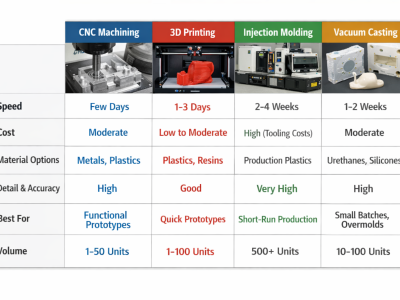
You can make parts for your prototype using CNC machining or 3D printing. CNC machining is very accurate and works with strong materials like metals and plastics. 3D printing lets you try out many shapes fast. It uses less material and is good for early testing. Here is a table that shows how both methods compare:
Method | Advantages | Limitations |
|---|---|---|
CNC Machining | Very accurate, strong materials, good for tough jobs | Fewer shape choices, costs more for hard designs, needs moving |
3D Printing | Many shapes, quick and cheap for fast testing | Not always strong, needs extra help for tricky shapes |
CNC machining works for metals like aluminum or plastics like polycarbonate. 3D printing works with plastics, bendy materials, and some metals. CNC machining costs more for each part, but it is best when you need things to fit just right. 3D printing keeps the price the same, so you can test your ideas again and again.
RAPID INJECTION MOLDING AND DIE CASTING
Rapid injection molding and die casting help you make lots of copies of your prototype. Injection molding is fast and makes each part in 10 to 60 seconds. Die casting takes longer, but the parts are better and have fewer mistakes. Injection molding might have more broken parts, but it helps you see what your product will look and feel like. Die casting is slower, but you get strong and good parts for your design.
Injection molding: Fast, but might have more mistakes.
Die casting: Slower, but gives better parts and fewer problems.
PCB PROTOTYPE MANUFACTURING AND ASSEMBLY
You need a working circuit board for your electronic product. First, you make Gerber files for your design. Next, you use these files to make the real board. Last, you put and solder each part onto the board. You test your finished prototype to see if it works right.
Make Gerber files
Build the board
Add parts and test
SELECTING THE RIGHT PROTOTYPING METHOD
Pick your prototyping method by thinking about your project needs. Think about what you want your prototype to do, who will use it, and what materials you need. Your time and money are important too. Here is a table to help you choose:
Factor | Description |
|---|---|
Purpose | What do you want your prototype to show or test? |
Target audience | Who will use or look at your prototype? |
Material requirements | Does your design need to bend or be strong? |
Timeline | How fast do you need your prototype? |
Budget | How much can you spend on making your prototype? |
Tip: Pick the prototyping method that fits your design goals and what your product needs. This helps you save time and money and build a better product.
LOOKS-LIKE VS WORKS-LIKE ELECTRONIC PROTOTYPES
LOOKS-LIKE PROTOTYPE PURPOSE
You want to see how your product will appear before you build it. A looks-like prototype helps you do this. You use this type of prototype to show the size, shape, and main structures of your product. You do not need it to work yet. You can make a looks-like prototype from cardboard, clay, or use advanced methods like 3D printing and CNC machining. This step lets you check if your design matches your vision and if people will like how your product looks.
You can show your prototype to others for feedback.
You can test how your product fits in a user’s hand or space.
You can use this prototype to attract investors or partners.
Looks-like prototypes help you focus on the visual side of your design. You can change the look of your product before you spend money on making it work.
WORKS-LIKE PROTOTYPE PURPOSE
You need to know if your product will work as planned. A works-like prototype lets you test the real functions of your product. You use this prototype to check the mechanical and electrical features. You often need to use many parts and choose the right materials for strength and flexibility. This type of prototype helps you see if your design solves the problem you want to fix.
You can test if your product works in real life.
You can find out if your design needs changes to work better.
You can use this prototype to show how your product will perform.
Works-like prototypes help you focus on the function of your design. You can make sure your product does what you want before you move to production.
COMBINING DESIGN AND FUNCTIONAL PROTOTYPES
You get the best results when you combine looks-like and works-like prototypes. You can test both the design and the function of your product at the same time. This approach helps you find problems early and fix them before you make many products.
The very first batch of prototypes often reveals critical flaws, allowing for cost-effective fixes during the prototype phase rather than during mass production. This iterative process, driven by user feedback, enhances product-market fit and streamlines development.
This approach shaves weeks off traditional product development cycles, enabling teams to validate design assumptions early and iterate quickly.
Direct user testing, enabled by rapid prototyping, is the engine that moves designs from hopeful guesswork to winning solutions.
You can use feedback from users to improve your product. You can save time and money by making changes early. Combining both types of prototypes helps you build a better product that meets your goals.
ENGINEERING AND PRE-PRODUCTION PROTOTYPING
DESIGN FOR MANUFACTURABILITY (DFM)
You want your product to go from idea to factory easily. Design for manufacturability helps you make smart choices early. This step saves you time and money. You try to make your prototype simple to build and put together. Here are some good tips to follow:
Pick parts that are easy to buy and last a long time. Always have backup parts ready so you do not need to change things later.
Use layout rules that help with building. Choose the right patterns for your factory to stop mistakes.
Make clear papers for your factory. Add all the details for building, testing, and checking quality.
Good DFM makes your work faster and helps you avoid expensive changes.
ITERATIVE TESTING AND DESIGN OPTIMIZATION
You make your prototype better by testing and changing it many times. This is called iterative testing. Each test gives you feedback. You use this feedback to improve your design. Early checks help you find problems before they get big. Every new version uses what you learned before. This way, your product works better and fits what people need.
Each test gets you closer to your goal.
You fix problems early in the process.
You make a product that is new and works well.
Tip: Iterative testing helps your product stand out in the market.
WORKING WITH ENGINEERING PROTOTYPE MANUFACTURERS
You need a good partner for engineering and pre-production prototyping. Find manufacturers who know your goals. They should help you make your product easy to build and use. Work with both mechanical and electronic experts from the start. Use computer models to find weak spots before you build anything. Pick materials like ABS or polycarbonate for strong cases. Custom parts can make building easier and stop problems.
Use 3D printing for early models and fast tests.
Try injection molding for later steps and more finished models.
Choose CNC machining for small batches during development.
Set a clear budget and talk about time with your manufacturer. Balance speed, cost, and quality to reach your goals. Good teamwork helps you make a better product and move smoothly from prototype to production.
VALIDATION AND TESTING OF ELECTRONIC PROTOTYPES
FUNCTIONAL TESTING AND PERFORMANCE VALIDATION
You have to make sure your prototype works right. Functional testing helps you see if your product can be used in real life. There are different ways to test how your prototype works. The table below shows some common ways to check your product:
Testing Category | Common Methods |
|---|---|
Performance Testing | Load and stress testing, thermal testing, fluid dynamics and sealing tests |
Durability Testing | Cyclic fatigue tests, wear resistance evaluations, environmental exposure tests |
Dimensional Accuracy and Fit Testing | CMM inspections, laser scanning, gauge and pin testing |
Load and stress testing show how strong your prototype is. Thermal testing checks if your product works in hot or cold places. Fluid dynamics and sealing tests make sure your product does not leak. For durability, you can use cyclic fatigue tests and wear resistance checks. Dimensional accuracy tests help you see if all the parts fit together.
SAFETY TESTING AND RELIABILITY
You want your product to be safe and last a long time. Start by looking at your design to find safety problems. You should also do risk analysis before you start testing. This helps you find dangers early. Use a "Design For Reliability" plan to make your prototype stronger. Test your product in different places, like hot, cold, or wet areas. Make sure your product follows safety rules and standards. Reliable products help people trust your brand.
Note: The kind of testing you need depends on how your product works and where people will use it.
COMPLIANCE AND CERTIFICATION REQUIREMENTS
You have to follow rules when you make a new product. If you want to sell in the USA, you need to meet standards like UL. If you sell in California, you must follow Prop 65 and tell users about any dangerous materials. For smart devices, you must protect user data and follow privacy laws like CCPA and GDPR. Here are the main steps for following the rules:
Design your product with rules in mind so you do not need big changes later.
Test your prototype in your lab or send it to another lab.
Send your papers to the right people to get your product certified.
You should also write a privacy policy and use encryption to keep user data safe. Following these rules helps you stay out of legal trouble and shows people they can trust your product.
COST OF ELECTRONIC PROTOTYPING SERVICES
FACTORS AFFECTING PROTOTYPE COST
You should know what makes prototypes cost more or less. Many things can change the price you pay. If your prototype is big, it will cost more money. If your design is hard to build, the price goes up. When your product has lots of parts or special features, it costs extra. The materials you pick matter a lot. Metal parts are more expensive than plastic ones. If you need your prototype quickly, you might pay more. The number of prototypes you order changes the price too. Small orders cost more for each one, but big orders make each cheaper.
Size of the prototype
Complexity of the design
Material used
Timelines for production
Quantity of prototypes required
PCB prototype prices change because of these things. If you buy only a few, each one costs more. If you buy a lot, the price for each goes down.
LOW VOLUME VS MASS PRODUCTION COSTS
You have to pick between low-volume and mass production. Each choice has its own problems and costs. Low-volume lets you test your design and check quality. You pay more because you do not make many at once. Mass production lets you make lots of products fast. You need strong quality checks and good planning.
Production Type | Key Challenges | Cost Considerations |
|---|---|---|
Low-Volume Production | Quality control, managing costs, validating designs for assembly | Complex optimization due to lack of economies of scale; potential for higher costs due to minimum order quantities. |
Mass Production | Maintaining high-quality standards, meticulous planning in supply chain management | Significant upscaling of processes; robust quality control systems are essential for market success. |
HOW TO REDUCE ELECTRONIC PROTOTYPE COST
You can save money on your prototype by being smart. Use simple steps to cut out extra work. Rapid prototyping can lower your setup costs, usually from $2,000 to $8,000. If you make many changes, your total cost can go up. Startups often spend 40-60% of their money on making changes. Each new version can cost 60-70% of the first one. Keep 25% of your budget for surprises. One company spent $43,000 on seven quick prototypes before using a normal process. Prototyping helps you change things fast and stay on budget. You can fix problems without slowing down your work. This way, your product stays on track and you reach your goals.
Tip: Make a careful budget and use rapid prototyping to stop big mistakes. Always keep extra money for things you did not expect.
HOW TO CHOOSE ELECTRONIC PROTOTYPE MANUFACTURERS
KEY EVALUATION CRITERIA
You want to find the best company for your prototype. First, check if the manufacturer has worked on products like yours. Look for a company that knows about prototyping for consumer electronics. Ask to see their old projects and get some examples. Make sure they have good machines and skilled workers. Check if they can finish your prototype on time. Quality control is very important. Ask how they test each prototype before sending it to you. Good communication helps fix problems fast. Pick a manufacturer who answers your questions and explains what they do.
Criteria | What to Look For |
|---|---|
Experience | Past work with similar products |
Equipment | Modern machines for prototyping |
Quality Control | Testing and inspection steps |
Delivery Time | Fast and reliable schedules |
Communication | Clear and helpful responses |
QUESTIONS TO ASK BEFORE SELECTING A SUPPLIER
You need to ask smart questions before you pick a manufacturer. Here are some good questions you can use:
Have you made a prototype like mine before?
How do you handle changes during prototyping?
What is your process for testing each product?
Can you show me your quality control steps?
How long will it take to finish my prototype?
What happens if there is a problem with my product?
Do you help with both design and production?
These questions help you see if the manufacturer can do what you need. You want a partner who helps you from the first prototype to the last product.
Tip: Always ask for a clear price before you start. This helps you avoid surprises later.
COMMON PITFALLS WHEN CHOOSING MANUFACTURERS
You can stay away from problems if you know what to look for. Some people do not test their prototype in hard situations. This can make the product break when customers use it. Others wait too long to check how much making the product will cost. This mistake can waste money and make your product too expensive. Sometimes, teams care more about features than what users want. This can make people return the product and not like it.
Not testing your prototype in tough situations can lead to failure.
Waiting to estimate costs can waste resources and hurt your product’s success.
Focusing on features instead of user needs can make your product unpopular.
You can avoid these problems by planning ahead and working with your manufacturer. Good prototyping helps you make a strong product that works well for your customers.
BEST ELECTRONIC PROTOTYPE MANUFACTURERS FOR CONSUMER ELECTRONICS
CUSTOM ELECTRONIC PROTOTYPE SERVICES
You can pick custom services if you want a special prototype. These companies help you plan, build, and test your idea. Engineers work with you to make a working model. They use your drawings to create real things you can see and touch. You can ask them to change things if you want. This lets you see how your product looks and works before you spend a lot of money. Custom services help you test your product before making many copies.
Tip: Ask if the company helps with both design and testing. This can save you time and help you avoid mistakes.
RAPID ELECTRONIC PROTOTYPING COMPANIES
Rapid prototyping companies can make your project move faster. They use fast machines like 3D printers and CNC machines. You can get your prototype in just a few days. This helps you test and change your product quickly. Many companies let you order online and get prices right away. You can send your design and get feedback fast. Rapid prototyping helps you see if your idea works before you make a lot.
Here is a table that shows what to expect:
Service Type | Speed | Best For |
|---|---|---|
Rapid Prototyping | 2-7 days | Early testing |
Custom Prototyping | 1-3 weeks | Detailed adjustments |
LOW VOLUME ELECTRONICS MANUFACTURING OPTIONS
You might want to make a small number of products first. Low volume manufacturing lets you test your idea with real people. Some companies can make 10 to 1000 units for you. This helps you find problems and fix your design. You can change things if you see something wrong. Low volume options give you more control and less risk. You can show your product to investors or early buyers.
Note: Always check if the company can make more when you are ready for mass production.
These services help you turn your prototype into a real product. You get feedback, make your design better, and get ready to sell.
TRANSITION FROM PROTOTYPE TO PRODUCTION
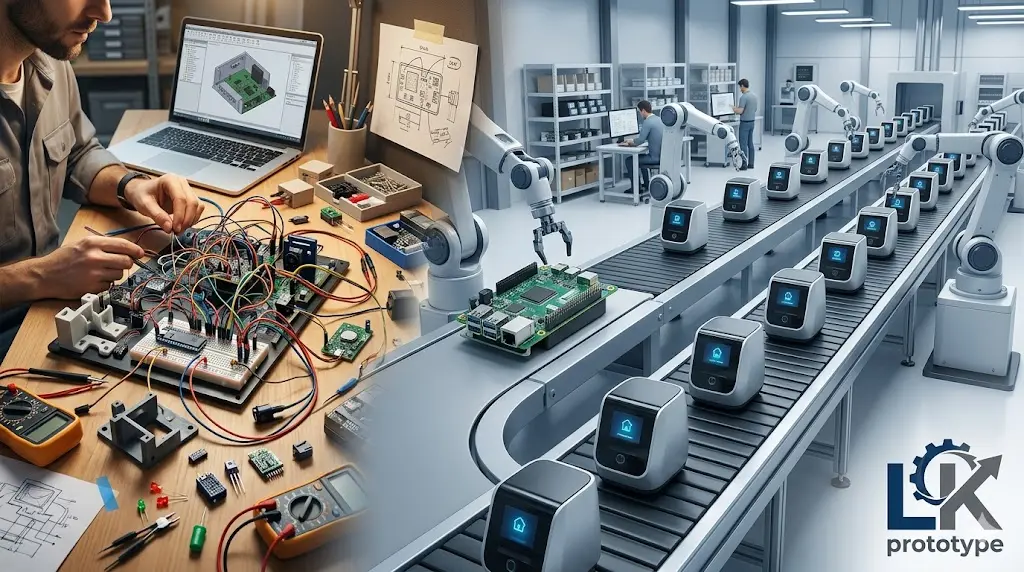
SELECTING A PRODUCTION MANUFACTURER
You need to pick a manufacturer who can make your prototype into a real product. Find companies that have worked with consumer electronics before. Ask them about their old projects and see if they made things like yours. Check if they use new machines and good equipment. Ask how they check for quality problems. Good talking helps you fix problems fast. You want a partner who knows your goals and helps you go from prototype to production without trouble.
Tip: If you can, go see the factory. Watching how things are made helps you trust the company.
SCALING FROM PROTOTYPE TO MASS PRODUCTION
You have to plan how to make more of your product. Start by looking at your design and change it to help with big production. Use what you learned from your prototype to make your product better. Work with your manufacturer to make a clear plan. Make a schedule for every step. Test the first group you make and fix any problems. When you make more, check every part. You want your product to work well as you build more units.
Step | Action |
|---|---|
Design Review | Change for mass production |
Process Setup | Plan each part |
Batch Testing | Test and make better |
Production Launch | Start making more products |
QUALITY CONTROL AND SUPPLY CHAIN MANAGEMENT
You need to keep your product good at every step. Set up checks to test your product all the time. Use tools to measure and look for mistakes. Make sure your supply chain works well. Pick suppliers who send parts on time. Watch your inventory and fix problems quickly. Quality control stops mistakes from happening. Supply chain management keeps your work moving. You want your product to get to customers without waiting.
Note: Good quality control and supply chain management keep your brand safe and help your product do well.
FAQ
WHAT IS ELECTRONIC PROTOTYPING
Electronic prototyping helps you turn your idea into something real. You make a prototype to see if your product works. This lets you check if your design solves a problem. You can change your design fast and find what works best. Prototyping helps you learn about your product before making a lot of them.
Tip: Begin with a simple prototype. Add more features later as you learn what your product needs.
HOW MUCH DOES ELECTRONIC PROTOTYPING COST
The price for prototyping depends on your design, materials, and how many you need. A simple prototype might cost a few hundred dollars. If your product is complex, it can cost thousands. Special parts or fast delivery make the price higher. Making more prototypes lowers the cost for each one.
Prototype Type | Typical Cost Range |
|---|---|
Simple | $100 - $500 |
Advanced | $1,000 - $10,000 |
Note: Always plan your budget before you start. Keep extra money for changes.
HOW TO FIND ELECTRONIC PROTOTYPE MANUFACTURERS
You can find manufacturers by searching online or asking other makers. Look for companies that have made products like yours. Check their reviews and ask for samples. You want a manufacturer who helps you build and test your prototype. Good communication makes your project easier.
Search for prototyping companies near you.
Ask if they have experience with your kind of product.
Request a timeline and price before you begin.
WHAT IS THE DIFFERENCE BETWEEN PCB PROTOTYPE AND FULL PRODUCT
A PCB prototype is a test version of your circuit board. You use it to check if your electronics work. It does not have the final case or all the features. A full product has everything ready for customers. You use the prototype to fix problems before you build the finished product.
Feature | PCB Prototype | Full Product |
|---|---|---|
Function | Basic testing | Complete operation |
Appearance | Simple board | Finished design |
User Ready | No | Yes |
Prototyping helps you find mistakes early. You can make your product better before you sell it.
You begin by making a proof-of-concept prototype. You try out different prototyping technologies to find what works best. You make your design better by building new versions. You pick the right prototyping technology for each step. You work with trusted manufacturers who help you through the process. You learn something new from every version you build. Each time, your product gets stronger. Prototyping technologies help you move faster. Every new version makes you feel more sure about your product.
Tip: Keep testing and learning. Each step gets you closer to success.