Share a little biographical information to fill out your profile. This may be shown publicly.
When deciding between silicone mold vs injection mold prototypes, there are several key factors to consider. First, determine how many parts you need. Next, evaluate your budget and how quickly you require the parts. It’s also important to identify the materials you plan to use and assess the complexity of your part design. FactorSilicone Mold (Vacuum Casting)Injection Mold (Injection Molding)Production VolumeSmall runs (up to ~100 units)Large volumes (hundreds of thousands)CostLower tooling cost for small batchesHigh initial cost, better for high volumeSpeedMold in 5-7 days, slower per-part speedMold takes weeks, fast per-part speedMaterial CompatibilityPolyurethane resins, limited optionsWide range of plastics, high…
You can lower your rapid prototype machining cost by picking China for your projects. Manufacturers in China pay less for raw materials and labor. They also have many skilled workers. These things make rapid prototyping cheaper than in other places. Machining companies in China use new technology like CNC and 3D printing. This helps them make prototypes faster and for less money. They work quickly and can handle different order sizes. This saves you time and money. Many companies say they pay up to 61% less for rapid prototype machining in China because of these benefits. Key Takeaways Picking China…
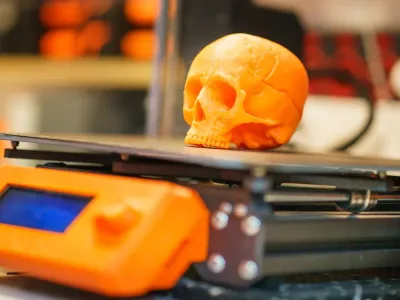
You should choose the best prototyping method for your project by considering how many parts you need, how quickly you need them, the material you want, and your budget. Urethane casting over 3D printing prototyping offers a smoother finish and stronger parts for small to medium quantities. It’s ideal if you want parts that resemble injection molding. On the other hand, 3D printing is fast and can create complex shapes quickly. Many companies now combine both methods, using 3D printing to create tools for urethane casting. This approach speeds up the process and reduces costs for custom parts. Key Takeaways…
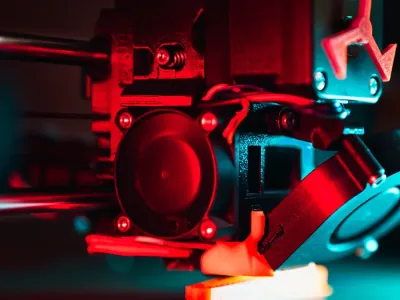
Choosing vacuum casting prototype parts China offers you a significant advantage. You can receive your initial prototypes within just 3 to 7 days, which is much faster compared to the typical 2 to 6 weeks elsewhere. Suppliers in China maintain low prices and don’t require large orders, helping you save money while providing more options. They utilize advanced technology and employ skilled workers, ensuring high precision and rapid production. The key benefits of vacuum casting are evident in every project. Vacuum casting prototype parts China enable you to work efficiently and stay ahead in your industry. Key Takeaways Vacuum casting…
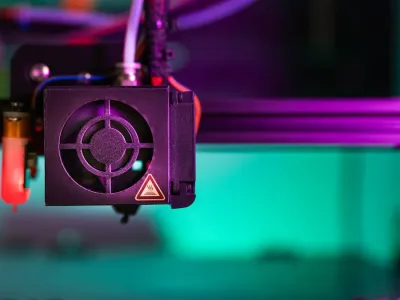
When learning how to design for prototyping in China factory settings, it’s important to start with a clear plan. First, define your product’s goals and sketch out your ideas. Next, create digital models to visualize your concepts more effectively. As you move forward with how to design for prototyping in China factory environments, use rapid methods like CNC machining or 3D printing to build physical prototypes and test your design. Protect your intellectual property with patents or NDAs. Prepare detailed drawings and a bill of materials. Choose materials and manufacturing processes that align with your plan. For the best results…
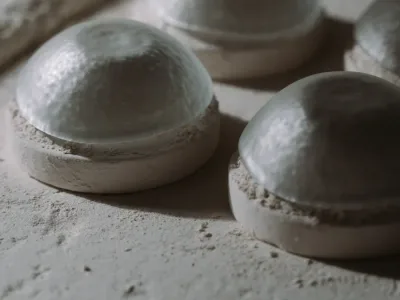
China is the leading destination for prototype mold making China, producing more molds than any other country. With over a million skilled workers employed in this field, you benefit from advanced technology and expert craftsmanship. Additionally, China offers flexible manufacturing options at lower costs. Many international clients have concerns about IP protection, contract issues, and mold misuse. To address these concerns: Use contracts like NNN agreements. Register IP in China. Conduct regular audits.Following these steps helps safeguard your designs and ensures excellent results in prototype mold making China. Key Takeaways China is the top country for prototype mold making. It…
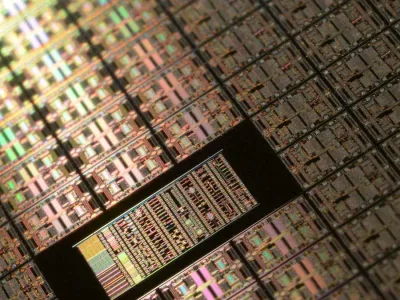
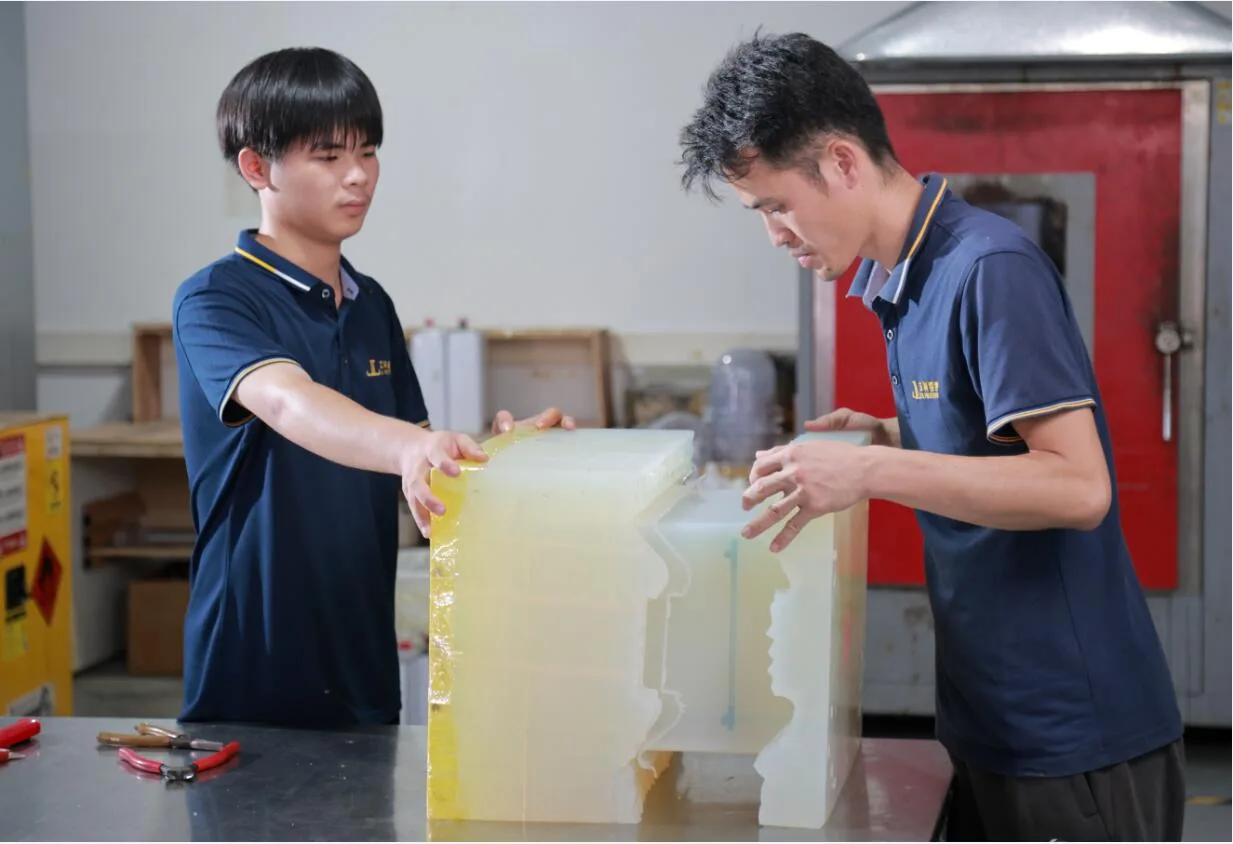
Imagine you order silicon molds for baking, thinking they are flexible trays, but you get hard, breakable blocks instead. This mistake can slow down your work and cost you money. Many people mix up silicon molds and silicone molds. You should know the difference if you make things or design products. Using the right word helps you avoid expensive mistakes and keeps your projects going well. Key Takeaways Silicon is a hard and breakable element. People use it in electronics. Silicone is soft and bends easily. People use it for baking and in medical items. Silicone molds are safe to…
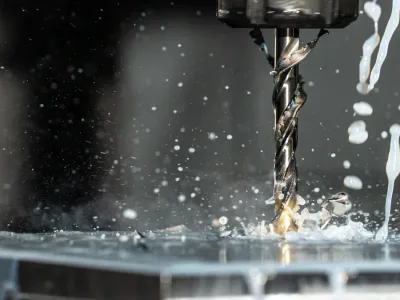
Subtractive manufacturing involves using machines to remove material from a solid block, shaping metals, plastics, and other materials into precise parts. This subtractive manufacturing method is widely used by companies to create prototypes, quick models, and finished products. Thanks to its high accuracy, subtractive manufacturing supports industries in producing complex designs. In the United States, the smart manufacturing market reached $66.18 billion in 2023 and continues to grow rapidly. This market value highlights the significant role subtractive manufacturing plays across various industries. Market SegmentYearMarket Value (USD Billion)U.S. Smart Manufacturing202366.18 Key Takeaways Subtractive manufacturing makes parts by taking away material from…

Subtractive manufacturing vs additive manufacturing each have their own pros and cons. Subtractive manufacturing often provides better accuracy and smoother finishes, while additive manufacturing typically produces less waste and can create complex shapes. When comparing subtractive manufacturing vs additive manufacturing, subtractive methods tend to be more cost-effective for large production runs, whereas additive manufacturing is ideal for prototypes or small quantities. Considering factors like cost, accuracy, and waste is essential when deciding between subtractive manufacturing vs additive manufacturing. Ultimately, the best choice depends on the specific needs of the project. Key Takeaways Subtractive manufacturing takes away material to make smooth,…
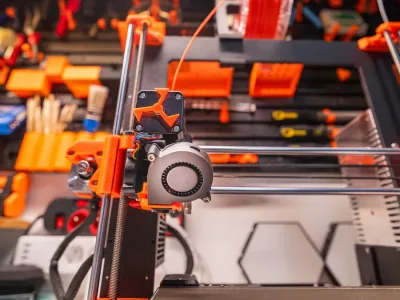
Selecting the right machine parts manufacturer is crucial for your project's success. The choice of a machine parts manufacturer can significantly impact your results. You need a machine parts manufacturer that understands the importance of precision, with machining accuracy reaching as close as ±0.005mm. A reliable machine parts manufacturer ensures on-time delivery more than 95% of the time. Many teams face budget overruns in CNC projects, with up to 68% of cases caused by errors. Working with a knowledgeable machine parts manufacturer who offers rapid prototyping and expertise in materials like ABS or aluminum increases your chances of success. The…
Want to convert your CAD design into a sample prototype or small-batch production? Upload your files and get a fast and accurate quote.