LKprototype
You can usually get 20 to 25 parts from a silicone vacuum casting mold, but the vacuum casting mold lifespan can vary depending on the part design. Most vacuum casting jobs focus on small or medium batches, making this method ideal for those seeking fast results. It also aids in creating accurate prototypes. Many manufacturers choose vacuum casting for quick production runs, as other methods are not as fast or efficient.
Key Takeaways
You can usually make 20 to 25 parts with one silicone vacuum casting mold. Pick the right materials to help your mold last longer.
Keep your part designs easy. Do not use shapes that are too tricky. Try to keep the wall thickness the same. This helps your molds last longer.
Check and clean your molds often. If you find damage early, you can fix it. This stops you from needing to buy new molds. It also helps you make good parts.
Store your molds in a cool and dry place. Good storage keeps your molds safe from harm. This makes them last longer.
Watch how your mold works each time. Look for cracks or if the part size changes. These signs mean it is time to get a new mold.
Vacuum Casting Mold Lifespan Factors
Knowing what changes vacuum casting mold lifespan helps you pick the best way for your project. You want each mold to last as long as possible. This keeps your work going without problems. Let’s see what things decide how many parts you can make before needing a new mold.
Mold Material
The mold material is very important for how long it lasts. Most people use silicone molds in vacuum casting. These usually make 20 to 25 parts before they start to wear out. After many uses, the silicone mold gets weak and needs to be replaced to keep your parts good. If you use high-temperature vulcanization molds, you can make 300 to 500 parts. But these are not used as much in vacuum casting.
Here is a table that shows how long different mold materials last:
Material Type | Lifespan (Casts) |
|---|---|
Silicone Molds | 15 to 25 |
High-Temperature Vulcanization | 300 to 500 |
You also need to think about what resin you use. Some polyurethane resins have strong chemicals. These can make silicone molds wear out faster. Softer materials, like flexible rubber, are easier on the mold and help it last longer. Hard plastics, like ABS or PC, can make the vacuum casting mold lifespan shorter. They need more force to take out of the mold.
How long silicone molds last depends on part design, material, and how you use them.
Hard plastic parts with tricky shapes can make molds wear out faster.
Softer materials, like rubber, help molds last longer.
Some polyurethane resins are tough and break down molds quickly.
Using softer materials (like Shore 40A) is easier on the mold than harder ones (like Shore 85D).
Part Geometry
The shape and design of your part change how long your mold lasts. Simple shapes with even wall thickness help the mold stay strong. Complicated shapes, undercuts, and overhangs make the mold harder to make and use. This can wear out the mold faster.
Here is a table that shows how different shapes affect mold life:
Geometric Feature | Impact on Mold Life |
|---|---|
Complex Shapes | Increases complexity of mold design |
Undercuts | Complicates mold creation and may require modifications |
Overhangs | Challenges in molding and casting |
Variations in Wall Thickness | Increases wear and tear on the mold during casting |
Try to keep your part shape simple. Avoid undercuts and overhangs if you can. Make sure your walls are the same thickness. This helps the mold cool evenly and stay strong. Big flat areas can bend and lower the quality of your parts. Small, delicate features can get damaged and make the vacuum casting mold lifespan shorter.
Tip: Make your part design simple and keep wall thickness even. This helps your mold last longer and makes better parts.
Maintenance Practices
Taking care of your mold is important for making it last and getting good parts. You should check your mold often and clean it after every use. This helps you find small cracks or tears before they get worse. Lubricate moving parts and control the temperature to keep the mold strong.
Here are some good ways to take care of your vacuum casting molds:
Check molds often to find damage early.
Clean and oil molds to stop them from wearing out.
Keep the mold at the right temperature.
Store molds the right way and handle them gently.
Use the right materials to stop rust or damage.
Make molds easy to fix and clean.
Write down all the times you do maintenance.
Clean your mold after each use. Take out any leftover resin and look for damage. Keep track of how many times you use each mold. Most molds last 15 to 30 uses, so stop using them when you see wear. Good care helps your molds last longer and gives you better parts.
Process Settings
How you run the vacuum casting process changes how long your mold lasts. High heat and pressure can make the mold wear out faster. The mold heats up and cools down many times, which can hurt the surface. Rough materials also wear out the mold, especially with high heat and pressure.
Aluminum molds are very strong and last a long time. They are good for making lots of parts with injection molding. They handle heat well and last longer than silicone molds. But they are not used much in vacuum casting.
Here is a table with the best settings for vacuum casting:
Parameter | Recommendation |
|---|---|
Silicone Material | Use newer silicone for better durability |
Cycle Time | Balance speed with mold lifespan |
Pressure | Adjust pressure for best performance |
Temperature | Keep between 25–35 °C |
Post-Cure Cycles | Use 60–80 °C for consistency |
You should use vacuum pressure between 1–5 kPa. Keep the mold temperature between 25–35 °C. Post-cure cycles at 60–80 °C help your parts stay the same and make the mold last longer. If you use the right settings, you can get good parts and make your molds last longer.
Note: If the mold cools unevenly, is too cold, or the material does not flow well, the mold can break early. Always watch your settings to keep your molds strong and lasting longer.
When you know these things, you can make better choices and get more parts from each vacuum casting mold. Good materials, smart part design, careful care, and the right settings help you get high quality and long-lasting molds.
Maximizing Vacuum Casting Mold Life
You want your vacuum casting molds to last a long time. Good habits help you make more parts and save money. You can make molds stronger by handling, storing, and cleaning them the right way.
Handling Tips
You need to be gentle with your molds. If you are rough, they can break early and not last as long. Try these tips to keep your molds safe and your work easy:
Always pick up and move molds carefully. Do not drop or hit them.
Wear gloves when you touch molds. This keeps them clean and free from scratches.
Check molds before and after each use for cracks or damage.
Buy good mold materials. Strong molds last longer and help you make better parts.
Clean and take care of molds often. This stops them from wearing out too soon and keeps them ready for use.
If you do not handle molds right, they can break early. You might see cracks or bent spots before you expect. The table below shows what happens with good and bad handling:
Failure Type | Description |
|---|---|
Normal Failure | Mold slowly changes shape or wears out after lots of use. |
Abnormal Failure | Mold breaks early because of bad quality or rough handling. |
Tip: Be gentle with molds. Clean and check them often to stop early breaks and keep them strong for more uses.
Filling molds too fast or using very hot metal can hurt them. Bad surface care and low heat strength also make molds wear out. You should control these things to help your molds last longer.
Storage Methods
Storing molds the right way keeps them ready for your next job. You need to protect molds from heat, water, and damage. Follow these steps to keep molds strong and working well:
Keep molds in a cool place between 20°C and 25°C. This stops heat from hurting them.
Keep the air dampness between 50% and 60%. This stops rust and water drops from forming.
Put molds on strong racks. Good racks stop molds from bending or breaking.
Use clear labels. This helps you find molds fast and stops mix-ups.
Do not stack molds unless they are made for it. Stacking can crush or bend them.
Check molds every month. Early checks help you find problems and keep molds strong.
Make sure the storage room has good air flow. This keeps molds dry and safe from water.
Note: Storing molds well helps you make better parts every time. You also save time and money by not having to fix or replace molds as often.
Cleaning Techniques
Clean molds after every use to keep them strong. Dirt, old resin, and water can hurt molds and make them wear out faster. Use these cleaning steps for vacuum casting molds:
Take off all resin and dirt from the mold after each use.
Use soft brushes or cloths. Do not use sharp things that can scratch the mold.
Dry molds all the way before you put them away. Water can cause rust and make molds weak.
Use gentle cleaners. Strong chemicals can break down the mold and make it last less.
Look for cracks or damage when you clean. If you find problems early, you can fix them before they get worse.
Alert: Clean molds often to keep making good parts. Good cleaning helps your molds last longer and keeps the vacuum casting mold lifespan high.
You can make more parts and get better results by following these tips. Be gentle with molds, store them safely, and clean them after every use. You will have stronger molds, better parts, and longer-lasting molds for every vacuum casting and injection molding job. These steps help you work better and make high-quality molds for your projects.
Signs of Mold Wear in Vacuum Casting
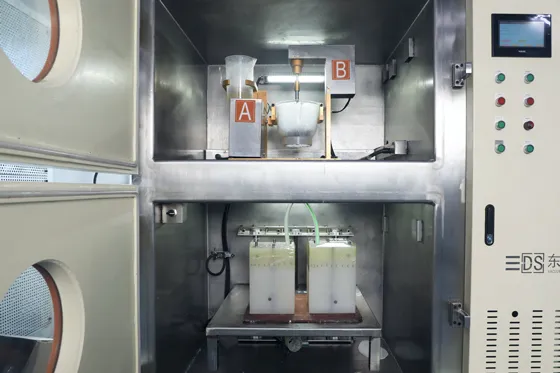
You need to watch for signs that your mold is wearing out. If you spot problems early, you can avoid bad parts and wasted time. Here are three main ways to check for mold wear in vacuum casting.
Visual Damage
Look closely at your mold before and after each use. You might see cracks, tears, or dents on the surface. These marks show that the mold is getting weak. Sometimes, you notice small pieces missing or rough spots where the material has broken away. If you see these signs, your mold may have a short lifespan left. You should replace it soon to keep your parts looking good.
Tip: Use a bright light and magnifying glass to check for tiny cracks or holes. This helps you catch damage early.
Dimensional Changes
You want your parts to match the right size every time. When a mold starts to wear, the parts may come out too big or too small. Manufacturers use different tools to check for these changes. Here is a table that shows common ways to measure part size and shape:
Method | Description |
|---|---|
CMM Inspection | Commonly used for critical dimensions to ensure accuracy. |
Laser/Optical Scanning | Occasionally employed to create deviation maps for detailed analysis. |
CT Scanning | Utilized when assessing internal voids or complex geometries is necessary. |
SPC and Capability Indices | In regulated sectors, sampling plans and capability indices (Cp/Cpk) are requested for critical characteristics. |
Requalification Triggers | Defined at 20–25 pulls, resin lot changes, or any significant process changes. |
If you notice your parts do not fit together or match the drawings, your mold may be worn out. Checking dimensions often helps you catch problems before they get worse.
Surface Imperfections
Surface problems show up when the mold gets old. You might see bubbles, rough patches, or lines on your vacuum casting parts. These flaws make your parts look bad and may affect how they work. Sometimes, sticky resin stays on the mold and leaves marks on the next part. If you see more surface defects than usual, your mold is probably near the end of its life.
Alert: If you see many surface imperfections, stop using the mold and make a new one. This keeps your parts high quality.
Watching for these signs helps you keep your vacuum casting process running smoothly. You get better parts and avoid delays by replacing worn molds at the right time.
Mold Lifespan by Material
Silicone
Silicone mold is used a lot in vacuum casting. It makes parts with good detail and smooth surfaces. A silicone mold can make about 20 parts before it wears out. People pick silicone molds for small jobs because they do not last long. If you need more parts, you must make a new mold. This keeps your parts looking nice and working well.
Silicone molds usually make up to 20 parts before they wear out.
You need new molds if you want to make more parts.
Vacuum casting works best for small batches.
To keep your parts good, watch for mold wear. Look for cracks or changes on the mold’s surface. If you see these, it is time to get a new mold. This helps your parts stay strong and look good.
Polyurethane
Polyurethane molds last longer than silicone molds. You can use them more times before they lose detail. This means you get good parts for a longer time. Polyurethane molds are strong and bend without breaking. You can make more parts before needing a new mold.
Silicone molds last for 20–50 uses before they lose detail.
Polyurethane molds last longer, but the exact number is not given.
Pick polyurethane molds if you want more parts and better quality. They do not wear out as fast. This helps your work go smoothly and keeps your parts looking good.
Other Materials
Other mold materials are not used as much in vacuum casting. Some people use metal molds for injection molding. Metal molds last a long time and can make thousands of parts. These molds give you strong and high-quality parts. Sometimes, people use epoxy or hybrid molds for special jobs. These molds can make good parts, but they do not last as long as metal molds.
Here is a table that shows how long different mold materials last:
Material | Typical Lifespan (Parts) | Quality Level | Common Use |
|---|---|---|---|
Silicone | 20 | High | Vacuum casting |
Polyurethane | 50+ | High | Vacuum casting |
Metal | 1000+ | Very High | Injection molding |
Epoxy/Hybrid | 30–100 | Medium | Special applications |
Note: If you want the best and longest-lasting molds, use metal molds for injection molding. For vacuum casting, silicone and polyurethane molds are good for small batches.
Pick the mold material that matches your job. If you want lots of parts and high quality, metal molds for injection molding are best. For vacuum casting, silicone and polyurethane molds are good for making fewer parts.
You can expect a vacuum casting mold lifespan of about 20 parts, but design and material choices matter. To get the most from your mold, use simple shapes, clean and store it well, and check for wear often.
Use draft angles and flexible materials for longer life.
Watch for cracks or changes in part size.
Regular monitoring with sensors and smart tools helps you spot problems early and keep your vacuum casting process running smoothly.
FAQ
How many parts can you make with one vacuum casting mold?
You can usually make 20 to 25 parts with one mold. The number depends on your part design, the material you use, and how well you care for the mold.
What causes a vacuum casting mold to wear out faster?
Sharp corners, thin walls, and hard resins can wear out your mold quickly. If you use high temperatures or rough handling, your mold will not last as long.
How do you know when to replace a mold?
Look for cracks, changes in part size, or rough surfaces. If you see these signs, you should replace your mold to keep making good parts.
Can you reuse a vacuum casting mold for different materials?
You can use the same mold for similar materials. If you switch to a very different resin, you may damage the mold or get poor results. Always check the mold after changing materials.