LKprototype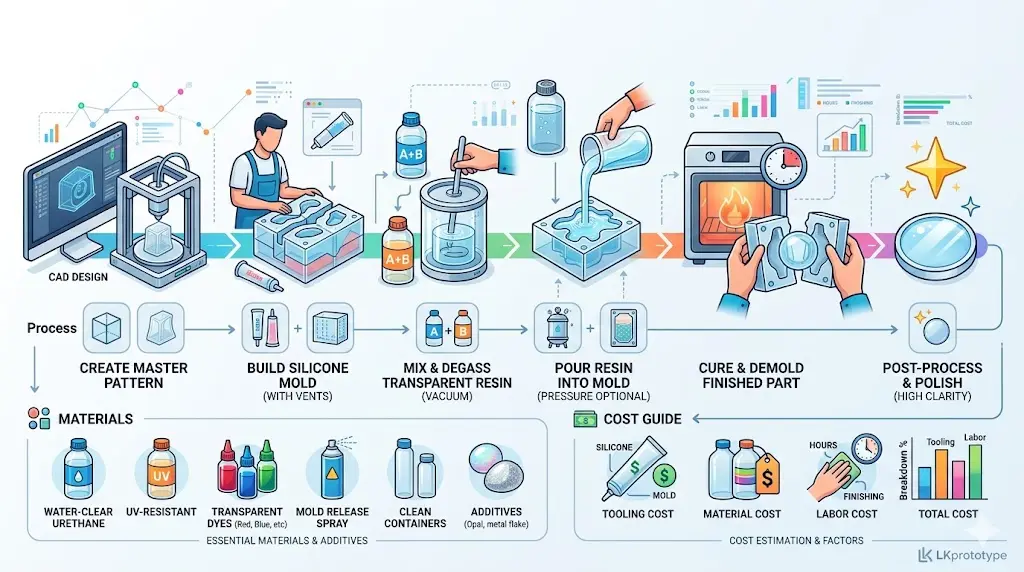
Urethane casting is a good and cheap way to make clear parts for different projects. You can use urethane casting transparent parts when you need to make a small or medium number of items. The process uses silicone molds, so it does not cost a lot. Many industries use this method for things like:
Electronics enclosures
Lenses
Lighting parts
Cases for consumer electronics
Custom medical devices
You get smooth surfaces and strong parts. Urethane casting is a smart choice for making high-quality clear parts.
Key Takeaways
Urethane casting is a cheaper way to make clear parts. It works well for making a small or medium number of parts.
This process lets you make good prototypes with smooth surfaces. You can also add colors or tints if you want.
You need to control humidity and use the right tools. This helps your parts look clear and stops defects from happening.
Silicone molds cost less and are quicker to make than metal molds. They are good for custom designs.
Always think about what your project needs. Talk to an expert to pick the best materials and methods for great results.
WHAT ARE URETHANE CASTING TRANSPARENT PARTS
WHAT IS CLEAR POLYURETHANE CASTING
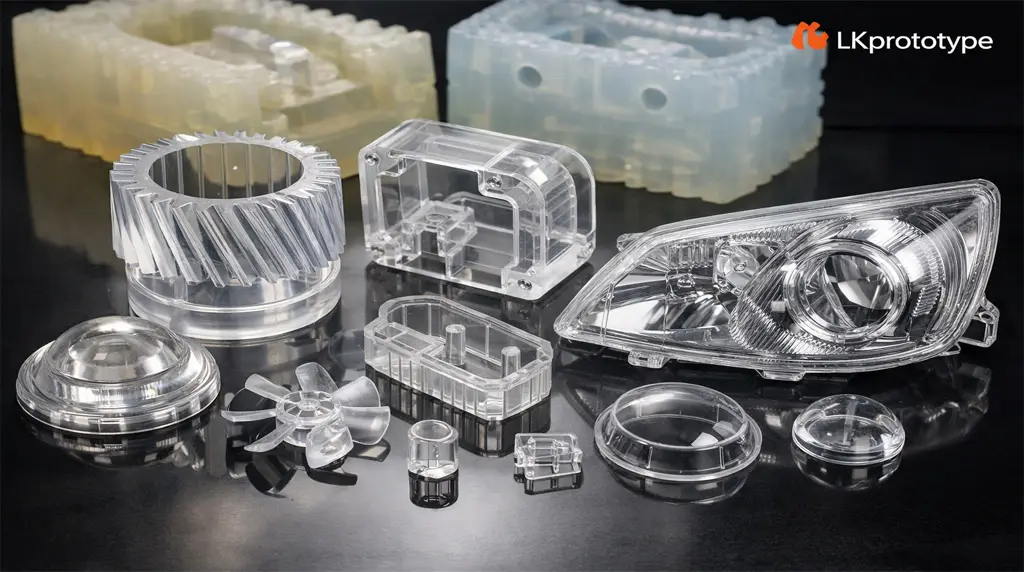
Clear polyurethane casting helps make parts that look like glass or plastic. The process uses a liquid resin poured into a silicone mold. The resin hardens and forms smooth, see-through parts. Many people pick clear polyurethane casting because it gives great transparency. You can make things like lenses, light guides, and display covers. If you want, you can add colors to the resin for a tinted look. This method is good for making small batches and prototypes. It saves money since you do not need expensive tools.
Tip: Clear polyurethane casting lets you make parts that look nice and work well. You can use it for cars, medical devices, and consumer products.
Some advantages of clear polyurethane casting are:
You can make a few high-quality prototype parts.
You can keep a nice look while meeting needs for function.
You can pick from many coloring options to match your design.
DIFFERENCE BETWEEN TRANSPARENT AND STANDARD URETHANE PARTS
You might wonder how transparent parts are different from standard urethane parts. Transparent parts are made to be clear and have a smooth surface. Standard parts do not need to be see-through. Transparent urethane casting is used when you want light to go through the part. Standard urethane casting is used for regular purposes.
Feature | Clear Polyurethane Casting | Standard Urethane Casting |
|---|---|---|
Light Transmission | Over 90%, great for lenses and light guides | Not mainly made for clarity |
Applications | Optical-grade materials, demo models | Used for many types of parts |
Focus | Clarity and smooth surface | General use without focus on clarity |
You use urethane casting transparent parts when you need optical-grade materials. Standard urethane casting is for parts that do not need to be clear.
IS URETHANE CASTING TRANSPARENT PARTS RIGHT FOR YOU
KEY BENEFITS OF TRANSPARENT URETHANE CASTING
There are many good things about urethane casting transparent parts. This process makes clear parts with smooth surfaces. You can make prototypes or small batches for less money. You do not need big or costly machines. It is easy to change the design if you want. You can add colors or tints to match your product. The parts are strong and look nice. They work well for many uses. If you want to test your idea or show a sample, urethane casting helps you do it fast.
Note: Urethane casting is used for parts in cars, medical devices, and electronics. It gives you flexibility and quick results.
LIMITATIONS OF CLEAR URETHANE PARTS
You should know some limits before picking clear urethane casting. Some chemicals can harm the parts. High heat can make the material soft or weak. The parts may bend or change shape if they get too hot. Do not use these parts with strong acids or brake fluids. Look at the table below to see the main limits:
Limitation | Description |
|---|---|
Chemical Resistance | Not good for acids, bases, ketones, esters, oxidizers, aromatics, or brake fluids. |
Temperature Sensitivity | Parts soften and lose strength at high temperatures. |
Deformation | Parts can bend or deform when heated, not good for seals or high compression. |
Tip: Always check where you want to use your clear parts. Make sure the place fits the material.
COMMON APPLICATIONS OF CLEAR POLYURETHANE CASTING
Clear polyurethane casting is used in many industries. Here are some common uses:
Rapid prototyping for new designs
Low-volume production for custom parts
Bridge manufacturing between prototype and mass production
Product design samples
Wheels and rollers for machines
Automotive parts like shock absorbers
Medical device components that meet FDA rules
Consumer products such as shoe soles and electronics cases
You can make prototypes to test ideas. You can create parts that absorb shock or resist vibration. You can build medical devices that need to be clear and safe. You can also make parts for cars and electronics.
URETHANE CASTING PROCESS FOR TRANSPARENT PARTS
MAIN STEPS IN TRANSPARENT URETHANE CASTING
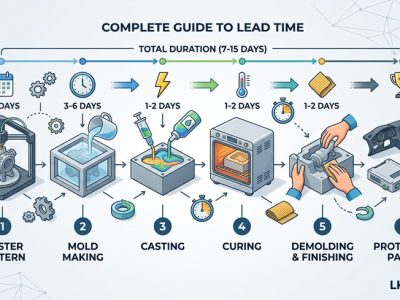
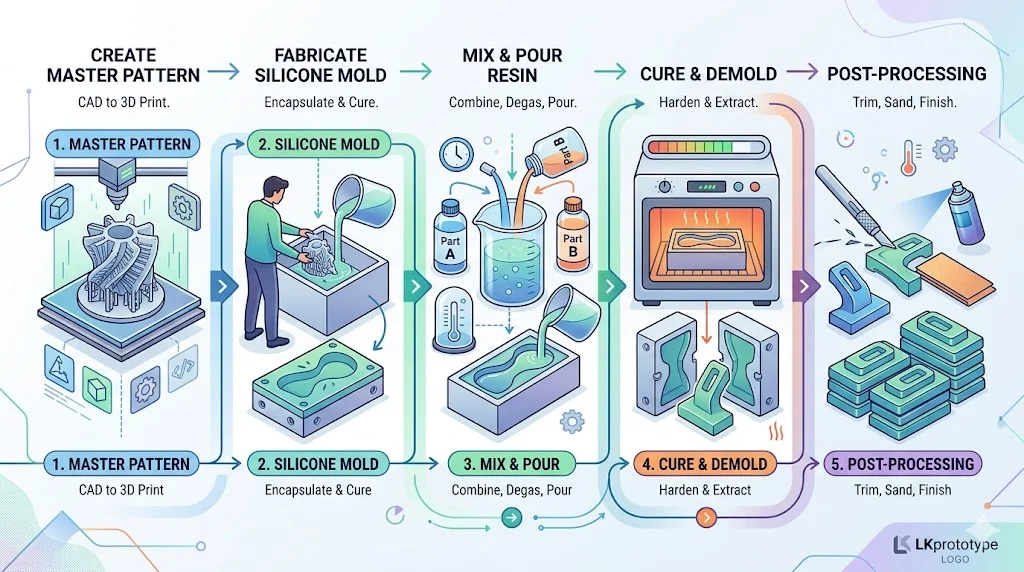
You can follow these main steps to make clear parts with the urethane casting process:
Create a master pattern. You can use 3D printing or CNC machining for this step. The pattern must be smooth and accurate.
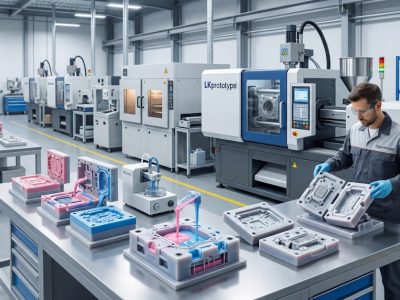
Make a silicone mold. Pour liquid silicone over the master pattern and let it cure. This mold will shape your clear parts.
Mix and pour the cast urethane. Blend the liquid resin, remove bubbles with a vacuum, and pour it into the silicone mold.
Cure the mold. You can use an oven or let it sit at room temperature until the resin hardens.
Demold and finish. Take out the solid part and polish it if you want a shiny, clear look.
Tip: Always keep your workspace clean. Dust and dirt can affect the clarity of your cast urethane parts.
HOW TO ACHIEVE HIGH CLARITY IN CLEAR URETHANE PARTS
You want your parts to look as clear as glass. To get high clarity, you need to control moisture and keep everything dry. Urethane casting reacts with water in the air. High humidity can cause bubbles and haze. You should keep the room’s humidity below 50%. Dry any fillers before you mix them with resin. Use only plastic or metal tools for mixing. Wood or paper tools can add moisture and ruin your casting.
Note: Store your materials in a dry place. Use moisture scavengers if you want the best results.
COMMON DEFECTS IN CLEAR POLYURETHANE CASTING
You may see some defects if you do not control moisture or use the wrong tools. Here are common problems and how to prevent them:
Common Defects | Prevention Method |
|---|---|
Gloss reduction | Use moisture scavengers to keep the resin dry. |
Haze formation | Store materials well and use moisture scavengers for better clarity. |
Foam generation | Keep moisture low to stop bubbles from forming during storage and mixing. |
Keep humidity below 50%.
Bake fillers before use.
Use only plastic or metal mixing tools.
If you follow these steps, you can make clear, strong cast urethane parts with fewer defects.
STEP BY STEP URETHANE CASTING PROCESS
MASTER PATTERN CREATION FOR TRANSPARENT PARTS
First, you make a master pattern. Pick a 3D print or CNC part with high detail. This helps the part look smooth and clear. Keep the pattern clean so dust does not stick. Use walls that are the same thickness. Add fillets to make the part stronger. You do not need draft angles for cast urethane. Ribs with fillets help the part last longer.
Choose good materials for your master pattern.
Make the surface shiny and smooth.
Add fillets and curves for easier making.
Tip: A good master pattern gives you clear parts that fit well.
SILICONE MOLD MAKING AND PREPARATION
Pour silicone around the master pattern. Silicone rubber copies every detail and texture. Put the mold in a vacuum chamber to get rid of bubbles. This step makes the part clearer. Silicone molds bend easily and do not tear. You can use them many times.
Material Type | Properties | Use Cases |
|---|---|---|
Urethane Resins | Can act like plastic or rubber materials | Used for working prototypes |
Transparent PU | Looks like PC or PMMA, good for clear parts | Used for lenses and clear covers |
MIXING AND POURING CLEAR POLYURETHANE RESIN
Mix the clear polyurethane resin with care. Only use plastic or metal tools. Do not use wood or paper tools because they add water. Pour the resin into the silicone mold slowly. Try not to let air bubbles form.
VACUUM CASTING FOR BUBBLE FREE RESULTS
Put the filled mold in a vacuum chamber. The vacuum pulls out bubbles from the resin. This step helps you get clear parts. You get smooth surfaces and high clarity.
CURING AND DEMOLDING PROCESS
Let the resin harden inside the mold. You can use an oven or leave it at room temperature. After it cures, take the part out gently. Be careful so you do not scratch the part.
FINISHING AND POLISHING FOR OPTICAL CLARITY
Polish the urethane part to make it clearer. Use fine sandpaper and polishing cream. Clean the part after you polish it. You get a shiny finish that looks like glass.
Note: Follow each step to make clear and strong urethane parts.
BEST MATERIALS FOR CLEAR POLYURETHANE CASTING
TYPES OF TRANSPARENT URETHANE RESINS
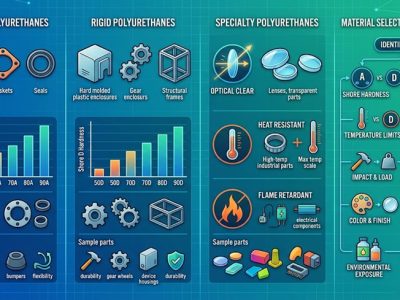
There are different transparent resins you can use for urethane casting. Most clear resins come in two parts. You mix them together and they become solid and see-through. Some resins look like glass. Others look like acrylic or polycarbonate. You can pick a resin based on how hard or soft you want your part. Some resins are better for thick parts. Others work well for thin shapes with lots of detail. Always check the label to see if the resin is made for optical clarity.
Tip: Pick a high-quality resin for the clearest parts. This stops yellowing and keeps your parts looking new.
MATERIAL PROPERTIES FOR CLEAR URETHANE PARTS
You need to know what makes a material good for clear urethane parts. The table below shows the most important properties. Each property helps your parts stay strong, clear, and useful.
Material Property | Importance for Transparent Urethane Casting Applications |
|---|---|
Optical Clarity | Needed for transparency; clear urethane resins let over 90% light through. They are good for lenses, light guides, and demo models. |
Vacuum Casting | Removes air bubbles that make parts less clear and cause defects. |
Mold and Master Model | High-resolution master models and precise molds stop surface defects that hurt optical quality. |
Hardness (Durometer) | Affects how tough the part is; pick the right hardness for your needs. |
Impact Resistance | Helps parts stay strong without losing clarity, especially for parts that need to work well. |
Chemical Resistance | Keeps parts stable when they touch oils, solvents, or cleaners. This stops swelling or damage. |
UV Stability | Stops yellowing, cracking, or loss of flexibility in sunlight or outdoor use. UV additives or coatings help. |
Thermal Stability | Keeps parts strong in heat or cold. This is important for parts near heat or in cold places so they do not warp or break. |
Look for materials that give you high optical clarity and good strength. These properties help your parts last longer and look better.
ADDITIVES AND COLOR OPTIONS FOR TRANSPARENT PARTS
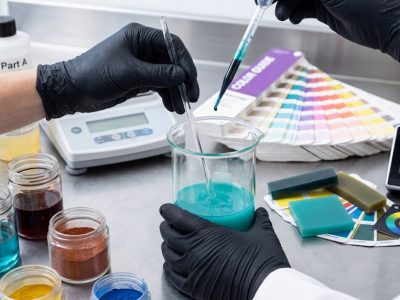
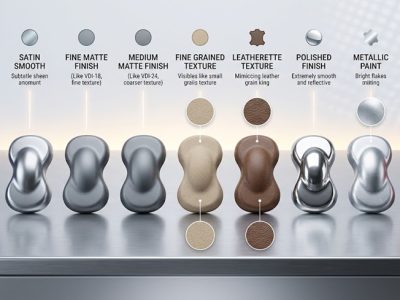
You can change how your transparent parts look and feel with additives and colors. Urethane starts as a milky-white liquid. You can add pigments to make any color you want. You can make your parts red, purple, orange, or blue. You can also pick the finish that fits your needs.
Finish Type | Description |
|---|---|
Matte/Frosted | Non-reflective finish |
Semi-Gloss | Moderate shine |
High-Gloss | Very shiny |
Custom | Made just for you |
If you want your parts to shine, pick a high-gloss finish. For a softer look, choose matte or frosted. You can also ask for a custom finish to match your design.
Note: Always test your color and finish on a small sample before making your final parts.
URETHANE CASTING TRANSPARENT PARTS COST
MOLD AND TOOLING COSTS
When you start a urethane casting project, you need to pay for the mold and tooling first. Silicone molds are common for urethane casting transparent parts. These molds cost less and take less time to make than metal molds. You can expect mold creation costs to range from $250 to $1,500. The price depends on how complex your part is and what materials you choose. If your design has many details, the mold will cost more.
Silicone molds are cheaper and faster to produce.
Mold costs depend on part complexity and materials.
MATERIAL AND PRODUCTION COSTS
You also need to think about the material and production costs. The type of urethane you pick changes the price and the properties of your parts. Polyether-based urethane is usually cheaper, but polyester-based urethane gives better strength for some uses. Each part has its own cost for materials, labor, and finishing.
Cost Component | Estimated Cost per Piece |
|---|---|
Material Cost | $10 |
Labor Cost | $10 |
Post-Processing Cost | $5 |
Total Cost | $25 |
Different urethane types affect both cost and performance.
Intricate designs and longer production times increase the total cost.
COST DRIVERS FOR CLEAR URETHANE PARTS
Several things can change the urethane casting cost. If your part has thin walls, sharp corners, or special features, you will pay more for the mold. Longer production times also raise the price. You should look at wall thickness, draft angles, and any extra details in your design. These factors all add to the final cost.
Tip: Simple designs help keep your cast urethane costs lower.
TYPICAL PRICE RANGE FOR TRANSPARENT CASTING
You can expect to pay between $20 and $50 for each transparent urethane part in small runs. Some casting services, like spin casting, may charge from $100 to $1,000 depending on the job. The total price depends on your design, the number of parts, and the finish you want.
Most urethane casting transparent parts cost $20–$50 each for small batches.
Special casting services can cost more.
If you plan your design well and choose the right materials, you can control your urethane casting cost and get high-quality clear parts.
COMPARING URETHANE CASTING WITH OTHER METHODS
INJECTION MOLDING VS URETHANE CASTING TRANSPARENT PARTS
You might wonder how urethane casting and injection molding are different. Both can make clear parts, but they are good for different jobs. Injection molding uses metal molds and strong pressure. Urethane casting uses silicone molds and gentle pressure. Look at the table to see how they compare:
Factor | Urethane Casting | Injection Molding |
|---|---|---|
Production Volume | More affordable for small quantities | More economical for high volumes |
Tooling Costs | Generally lower | Higher due to complex molds |
Lead Time | Shorter lead times | Longer due to mold creation |
Cost Efficiency | Better for low volume | Best for high volume |
Material Options | Limited options | Wide range of materials |
Part Complexity | Can accommodate complex designs | Limited by mold design |
Design Changes | Easier to implement changes | Difficult once mold is created |
If you need just a few clear parts quickly, urethane casting is faster and cheaper. Injection molding is better if you need thousands of parts and want more choices for materials.
3D PRINTING VS CLEAR POLYURETHANE CASTING
3D printing and urethane casting both help you make clear parts. 3D printing builds parts one layer at a time. You can make one part fast and change the design easily. But 3D printed clear parts may not look as smooth or shiny as cast parts. Urethane casting gives a better finish and looks clearer. You can also make many copies from one mold.
Tip: Pick 3D printing for quick, single samples. Use urethane casting if you want clearer parts and need more than one.
WHEN TO CHOOSE TRANSPARENT URETHANE CASTING
Pick transparent urethane casting when you want clear parts for small batches or prototypes. This method lets you change your design without spending much. You get results quickly and can make tricky shapes with smooth surfaces.
Works well for many uses
Saves money for small batches
Lets you change designs easily
Gives you fast prototypes
If you want clear and strong parts without spending too much, urethane casting is a smart pick.
TIPS TO IMPROVE TRANSPARENCY IN URETHANE CASTING
HOW TO REDUCE BUBBLES IN CLEAR CASTING
Bubbles can make your clear parts look bad. You need to keep air and water away from your urethane casting. Try these tips to get parts without bubbles:
Tip | Description |
|---|---|
Control Humidity | Keep urethane plastics in rooms with less than 50% humidity. This stops water from reacting with the resin. |
Prepare Fillers | Bake fillers at 150°F (60°C) for four hours before mixing. This takes out hidden water. |
Use Proper Tools | Use plastic or metal tools and containers. Wood or paper can add water and cause bubbles. |
Seal Containers | Close containers right after you use them. This keeps water out, especially on humid days. |
Layer Casting | Pour thin layers in a controlled space or use fast-setting compounds. This stops water from getting in. |
Tip: Always check your workspace for dust and water. Clean tools and dry air help you make good cast urethane parts.
HOW TO IMPROVE SURFACE FINISH
You want your clear parts to look smooth and shiny. Start with a master pattern that is polished. A smooth pattern gives you a better mold. Use silicone molds that copy every detail. After casting, polish your parts with fine sandpaper and a soft cloth. You can use polishing cream for extra shine. Work slowly and check your progress often. This helps you get the best finish and clarity.
Note: Good surface finish comes from patience and careful work at every step.
BEST PRACTICES FOR OPTICAL CLEAR RESULTS
You can get optical clarity by following some best practices:
Pick additives that do not block light or stop the resin from curing.
Use aliphatic isocyanates for better clarity than aromatic types.
Control the mix of isocyanate and polyol to avoid cloudiness.
Keep mixing speed and temperature steady during casting.
Use vacuum degassing to pull out air bubbles.
Add chain extenders and crosslinking agents to boost clarity and reduce phase separation.
If you follow these steps, you will get clear, strong parts with great optical quality. You will see the difference in your finished products.
FAQ
CAN URETHANE CASTING BE FULLY TRANSPARENT
You can make clear parts with urethane casting. Some materials, like RC-79D MRI Transparent, can be very clear. You must follow each step closely. Making the mold takes time and care. You may need to polish your parts after you cast them. This helps them look their best. This process is good for making a few parts. It is not the best for making lots of parts at once.
Urethane casting can make see-through parts.
You need to polish and finish parts for best clarity.
This method works for small batches, not big ones.
WHY ARE MY CLEAR URETHANE PARTS CLOUDY
Your clear parts might look cloudy for a few reasons. Check the table to find out what went wrong and how to fix it.
Cause | Prevention Method |
|---|---|
Cold Temperatures | Use resin at room temperature (72–85°F). Warm sealed bottles in a water bath before mixing. |
Under Mixing | Mix for at least 3 minutes. Scrape the sides and bottom until streaks disappear. |
Whipping While Mixing | Stir slowly and methodically. Scrape the sides and bottom of your mixing cup. |
Moisture Contamination | Keep all materials dry. Avoid humid or wet conditions. |
High Humidity | Keep humidity below 80%. Use a dehumidifier or air conditioning. |
HOW TO MAKE CLEAR POLYURETHANE CASTING PARTS
You can make clear parts by following some easy steps. Start with a clean master pattern. Make a silicone mold that copies every detail. Mix your resin slowly so you do not make bubbles. Use vacuum degassing to pull out any bubbles. Pour the resin into the mold. Let the part cure at the right temperature. After you take it out, polish it to make it even clearer.
Tip: Use vacuum degassing or pressure casting to stop bubbles. These ways help you get the clearest parts, even for tricky shapes.
WHAT IS THE BEST RESIN FOR TRANSPARENT CASTING
You can pick from a few resins for clear casting. Clear polyurethane resins let light go through and look very clear. Clear epoxy or urethane resins also work if you use them right. You can use these resins for things like electronics cases, lenses, jewelry, and decorations.
Resin Type | Benefits | Applications |
|---|---|---|
Clear Polyurethane Resins | Great for see-through and clear parts. | Jewelry, decorations. |
Clear Epoxy or Urethane | Makes clear parts with no bubbles if used right. | Art, electronics cases. |
Note: Always use vacuum degassing or pressure casting to make your parts clearer.
CONCLUSION
You now know how urethane casting helps you make clear and strong parts for many uses. This process gives you a way to create smooth, see-through items without spending a lot of money. You can use it for prototypes, small batches, or custom designs. You do not need big machines or expensive tools. You can change your design quickly if you need to.
Many people choose this method because it saves time and money. You get high-quality results with less effort. You can also pick from different finishes and colors to match your ideas. If you want to test a new product or show a sample, casting gives you fast results.
Tip: Always check your project needs before you start. Think about how many parts you need, what they will do, and where you will use them.
If you want clear parts for cars, electronics, or medical devices, this method works well. You can make strong and good-looking items. You can also control your costs by keeping your design simple.
You should talk to an expert if you have questions. They can help you pick the right materials and steps. This way, you get the best results for your project.
You can use urethane casting to turn your ideas into real, clear parts. Start planning your next project today.
You can use urethane casting to make clear parts quickly and affordably. Cast urethane gives you strong, smooth, and transparent items for many projects. This process works well for prototypes and small batches. You save money and time with casting. If you want to test a design or need custom parts, this method fits your needs. Think about your project goals and ask an expert for advice before you start.