LKprototype
If you need a prototype fast and want to save money, a silicone mold is usually the best choice. Silicone molds cost between $500 and $20,000 at first. Injection molds, such as aluminum molds, cost more, but they last much longer. Silicone molds are good for making a few parts or for testing ideas quickly. However, they only last for about 20 to 25 uses before wearing out. In contrast, aluminum molds can make tens of thousands of parts. They are better for making large quantities at once. When you compare silicone mold vs aluminum mold, consider how many parts you need and your budget.
Mold Type | Initial Cost Range | Best For | Lifespan (Parts) |
|---|---|---|---|
Silicone Molds | $500 - $20,000 | Small runs, prototypes | 20 to 25 |
Aluminum Molds | Higher | Large production runs | Tens of thousands |
Key Takeaways
Silicone molds do not cost much for small projects. They help you make and test things fast without spending a lot of money.
Metal molds last a long time and are very exact. They work best for making many parts and keep the quality the same for each one.
Pick silicone molds if you want to be flexible and remove parts easily. They are good for tricky shapes or when you only need a few items.
Think about how many parts you need to make. Silicone molds are better for making a small number. Metal molds are better for making a lot at once.
Always look at your money and how much time you have. Silicone molds are quicker and cheaper for fast jobs. Metal molds cost more but are better if you need to make many things for a long time.
Silicone Mold vs Metal Mold Overview
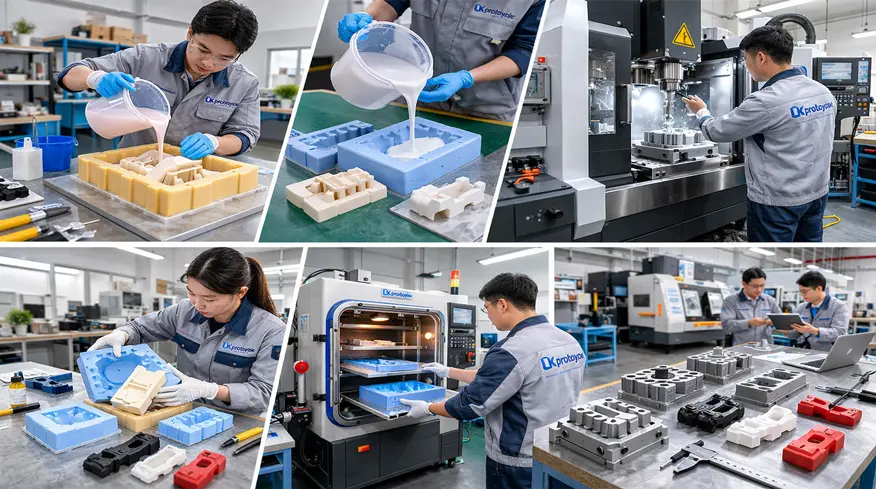
What Is a Silicone Mold
Silicone molds help you make shapes with soft material. They are made from silicone, which is bendy and rubbery. This means you can take out your part or food without breaking it. People use silicone molds when they want to make a few items or test a new idea fast. You can put these molds in the dishwasher, so cleaning is easy.
Some people mix up silicon molds and silicone molds. Silicon molds are hard and break easily. They are not good for food or prototypes. Silicone molds bend and are safe for many things. If you get the wrong mold, your tray might break or your project might not work.
Here are the main points:
Mold Type | Advantages | Drawbacks |
|---|---|---|
Nonstick surface, easy release, dishwasher safe, ideal for molded or chilled recipes | Lower heat transfer, potential wobbling, limited browning |
Silicone molds are good if you want to clean up fast and take out parts easily. They are best for small projects or if you change designs a lot.
What Is a Metal Mold
Metal molds are used when you need strong shapes for your parts or food. They are made from things like aluminum or steel. These molds keep their shape and give sharp details. Metal molds move heat fast, so your food or parts cook or set evenly.
Some people think metal molds are always better, but that is not true. If you do not grease the mold or use parchment, things can stick. Metal molds can also make food too brown if you bake too long.
Here are the main points about metal molds:
Mold Type | Advantages | Drawbacks |
|---|---|---|
Metal Molds | Superior heat conduction, strong structural stability, crisp textures, professional reliability | Requires greasing or parchment for easy release, may overbrown if overheated |
Pick metal molds if you need to make a lot of items or want a mold that lasts. These molds give pro results and work for both test parts and finished products.
Silicone Mold Characteristics
Materials Used in Silicone Molds
When you pick silicone molds for prototypes, you have many choices. RTV silicone is the most common material. One-component RTV cures at room temperature and does not need mixing. Two-component RTV needs mixing before it cures. Both types are good for making prototypes and small batches. Other materials include urethane resins, epoxy resins, transparent PU, rubber-like materials, composite-filled resins, and low-melting alloys. Each material has its own special features. Rubber-like materials make the mold flexible, so they work well for seals and grips. Transparent PU lets you make clear parts. These options help you choose the right mold for your project.
Advantages of Silicone Mold Casting
Silicone molds have many good points for making prototypes fast.
You can finish prototypes quickly because the process is fast.
Silicone molds cost less for small amounts, so you save money.
They copy shapes and details very well, even tiny ones.
You can make both hard and soft parts with these molds.
It is easy to test and change your designs as you go.
Tip: Silicone molds are easy to use. You can take out parts without breaking them. Cleaning is simple. You can also change designs without much trouble.
Limitations of Silicone Molds
Silicone molds have some things you need to watch out for. They work best between 72°F and 120°F. If you use them outside this range, they might get damaged or not work well. Silicone does not work with every chemical. It is okay with some, like concentrated ammonium hydroxide. But it does not work with others, like chloroform, acetone, and hydrofluoric acid. How well it works depends on how strong the chemical is and how long it touches the mold. You should always check if your materials will hurt the mold. Silicone molds only last for about 20 to 25 uses, so they are not good for making lots of parts.
Note: Always check the temperature and chemical limits before using silicone molds. This helps you avoid problems and keeps your project safe.
Metal Mold Characteristics
Common Metal Mold Materials
You will find that metal molds use many types of metals. Each metal has special properties that help in different applications. Here is a table that shows the most common metals for molds and their uses:
Metal Type | Properties and Applications |
|---|---|
Copper | Needs controlled conditions; less common than steel or nickel alloys. |
Nickel Alloys | Resist high temperatures; used in aerospace and power plants. |
6061 Aluminum Alloy | Used in special cases; not standard for most molds. |
7075 Aluminum Alloy | Similar to 6061; also not standard for most molds. |
Iron-Carbon Alloys | Strong and easy to machine; used in cars and machines. |
Stainless Steel | Strong, precise, and resists rust; common in many industries. |
17-4 PH | Used in aerospace and medical fields for strength and rust resistance. |
316L | Used in medical devices; resists rust in salty environments. |
You will often see steel and aluminum in metal molds. Steel lasts longer and works well for big jobs. Aluminum costs less and is good for quick projects.
Advantages of Metal Molds
Metal molds give you many benefits. You get strong and reliable shapes every time you use them. These molds keep their form, so each part looks the same. You will notice that metal pans and metal baking molds heat up fast and cook food evenly. This helps you get crisp textures and even browning. In factories, metal molds make thousands of parts with the same size and shape. You can trust these molds to keep your parts accurate and free from defects. The tough material also means you can use the mold many times without it breaking.
Tip: If you want high-quality parts or baked goods, choose metal molds for their consistency and strength.
Limitations of Metal Molds
You should know that metal molds have some drawbacks. Making a new mold takes time and costs more money. You need special machines to shape the metal, which adds to the price. Here is a table that shows the main limits:
Limitation Type | Description |
|---|---|
CNC-Machining Setup Costs | High costs for setting up machines to make the mold. |
Lead Time | Takes longer to make because of setup and programming. |
Prototype Mold Lifespan | Prototype molds do not last as long, so each part costs more. |
You may also find that metal pans and metal baking molds need greasing or parchment to stop sticking. If you only need a few parts or want to test a new idea, metal molds might not be the best choice because of the cost and time.
Silicone Mold vs Metal Mold Comparison
Cost Comparison
When you compare silicone mold vs aluminum mold, you see big differences in cost. Silicone molds have a much lower initial price. You can start a small project or prototype for just a few hundred dollars. Metal molds, especially aluminum molds, need a bigger investment at the start. If you want to make only a few parts or test a new baking idea, silicone molds save you money.
Silicone molds are inexpensive for prototypes or small runs.
Metal molds cost more at first but become cheaper per part when you make thousands of items.
Silicone mold vs aluminum mold shows that for large production, metal molds win on long-term savings.
If you plan to bake or create many parts, the higher cost of metal molds pays off over time.
Durability and Mold Lifespan
Silicone molds do not last as long as metal molds. You can use a silicone mold about 20 to 25 times before it wears out. Metal molds, like aluminum molds, can make tens of thousands of parts without breaking down. This makes metal molds the best choice for long-term use and for the best uses for rigid molds.
Mold Type | Typical Lifespan (Parts) | Common Failure Modes |
|---|---|---|
Silicone Mold | 15–30 | Warping, sink marks, short shots |
Metal Mold | 10,000+ | Warping, sink marks, short shots |
You should choose silicone molds for quick projects. For ongoing baking or repeated use, metal molds last much longer.
Production Volume and Efficiency
Production volume changes which mold works best. Silicone molds are great for low-volume production. You get fast results and low tooling costs. If you need more than 30 parts, you must make new silicone molds, which increases costs. Metal molds handle high-volume production with ease. You can make thousands of baked goods or parts without stopping.
Silicone molds work best for small batches and quick changes.
Metal molds are efficient for mass production and large baking runs.
Silicone mold vs aluminum mold matters most when you decide how many items you want to make.
Precision and Surface Finish
You want your baking results or prototype parts to look sharp and clean. Metal molds give you crisp edges and smooth surfaces. They keep their shape, so every part or baked good looks the same. Silicone molds copy details well, but they can flex or warp, which may affect the finish. For the best uses for silicone molds, like custom shapes or flexible designs, you get good detail but not always perfect edges.
Tip: If you need perfect surface finish and high precision, metal molds are the better choice. For creative baking or quick prototypes, silicone molds give you enough detail and easy release.
Applications of Silicone and Metal Molds
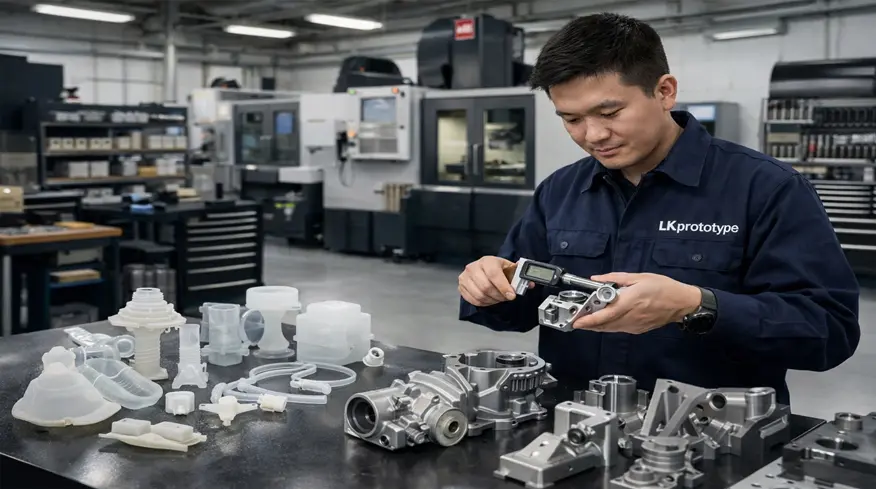
Silicone Molds in Prototype Manufacturing
Silicone molds are used for many prototype jobs. They help when you need to test ideas fast or make detailed models. People use them in rapid prototyping to check designs before making lots of parts. Many industries use silicone molds for resin casting because they show small details and let you remove parts easily.
You can test models quickly with rapid prototyping.
Resin casting makes detailed copies with these molds.
You can make custom parts for special needs.
They help you see if materials work well together.
You can make a few parts without spending too much.
Most resin casting with silicone molds is done in small groups. Compression molding usually makes less than 100 parts. Soft tooling injection molding can make up to 10,000 parts each year. You can also use silicone molds for low-volume runs, up to 1,000 parts yearly. In medicine, silicone molds are used for device covers or gaskets when you need to change designs quickly.
Note: Silicone molds save time and money when you need just a few prototypes or want to try new materials.
Metal Molds in Production Manufacturing
Metal molds are important for making lots of the same part. Factories use them when they need thousands of items. These molds are strong and last a long time, so they are good for making many parts over and over. Metal molds give sharp details and keep every part the same size and shape.
Product Type | Industry | Description |
|---|---|---|
Automotive Components | Automotive | Strong parts like gears and turbocharger pieces |
Electronics Housings | Electronics | Small, tricky parts like connectors and heat sinks |
Medical Devices | Medical | Exact items like surgical tools and implants |
You can use metal molds for resin casting in cars, electronics, and medical devices. These molds are good for big jobs and must meet strict quality rules.
Typical Industry Applications
Many industries use both silicone and metal molds for resin casting and baking. In factories and craft shops, silicone molds are used for metal casting or custom resin projects. Medical device makers use silicone molds for small to medium runs, like catheters and gaskets, because they are safe and easy to change. In cars, silicone molds are used for gaskets, seals, and keypads that must handle heat and pressure.
Metal molds are used in cars for strong parts, in electronics for detailed pieces, and in medical devices for safe, exact items. Bakeries use both types of molds. Silicone molds are good for fun shapes and easy removal. Metal molds make crisp textures and even browning.
Tip: Use silicone molds for flexible, small-batch resin casting or baking. Choose metal molds for big jobs, exact resin casting, or pro baking results.
Pros and Cons of Silicone Mold vs Metal Mold
Silicone Mold Advantages and Disadvantages
Silicone molds have many good points for making prototypes and art. These molds bend, so you can take out parts without breaking them. You can use silicone molds for jewelry and crafts with lots of detail. The bendy material helps you see small lines and shapes. You do not need to spray anything to get your part out, which makes things easy.
Here is a table that shows how silicone molds and rigid molds are different:
Aspect | Silicone Molds | Rigid Molds |
|---|---|---|
Flexibility | Bends around details for intricate projects | Better for simple shapes |
Ease of Demolding | Gentle flex needed for release | Often needs mold-release spray |
Durability | Lasts through many pours; may tear if mishandled | Metal lasts longer but costs more |
Detail Capture | Excels at fine textures and shapes | Struggles with fine detail |
Cost | Moderate; affordable for small businesses | Varies; metal is high-cost |
Best For | Jewelry, art crafts, intricate designs | Mass production, large flat items |
Tip: Pick silicone molds if you want to try new ideas fast or make a few detailed items.
You should know that silicone molds can rip if you pull too hard. These molds do not last as long as metal molds. You might need a new mold after using it many times.
Metal Mold Advantages and Disadvantages
Metal molds are strong and give the same results every time. You can use these molds to make lots of parts. They are good for making thousands of things that all look alike. Metal molds can also make tricky shapes and use different materials.
Look at this table for the main points:
Advantages | Disadvantages |
|---|---|
High volume production efficiency | High tooling costs |
Design flexibility for complex shapes | Inefficiencies for low volume production |
Material versatility | Longer lead times for tooling creation |
Note: Use a metal mold if you need many parts, want sharp edges, or plan to use the mold for a long time.
You will see that metal molds cost more to make. It takes longer to get the mold ready, so you wait before you can start. If you only need a few things, metal molds may not be the best pick.
How to Choose Between Silicone Mold and Metal Mold
Choosing Based on Production Volume
You should always think about how many parts you want to make before you pick a mold. If you need only a few prototypes or a small batch, silicone molds work best. These molds let you test ideas quickly and cost less for short runs. When you want to make hundreds or thousands of parts, metal molds give you better value. They last longer and keep making parts without breaking down.
Here is a table to help you compare:
Factor | 3D Printed Molds | Traditional Metal Molds |
|---|---|---|
Setup Costs | Low | High (tooling required) |
Lead Time | Days to weeks | Weeks to months |
Per-Unit Cost | Higher at high volumes | Low at high volumes |
Durability | Good for short runs | Excellent for high volumes |
Best For | Prototyping, low-to-mid volume | Low- to high-volume production |
You can see that silicone molds and 3D printed molds are great for testing and small jobs. Metal molds are better for big projects. If you want to make many copies, you should pick a mold that will last and keep the cost low for each part.
Tip: For small batches, you can save money and time with silicone molds. For large runs, metal molds give you the best results and last longer.
Cost and Lead Time Considerations
You need to look at both cost and how long it takes to get your mold. Silicone molds cost less to make. You can get them for as little as $100, and sometimes up to $20,000 for bigger jobs. Metal molds cost more, usually over $2,000. They also take longer to make. You might wait 2 to 6 weeks, or at least 30 days, before you can use a metal mold.
Here is a quick look:
Mold Type | Cost Range | Lead Time |
|---|---|---|
Silicone Molds | $100 to $20,000 | Shorter |
Metal Molds | Over $2,000 | 2 to 6 weeks |
If you need your parts fast, silicone molds help you start right away. You can test your design, make changes, and try again without waiting long. Metal molds take more time, but they pay off if you plan to make many parts. New digital tools, like 3D printing and AI, help you get molds faster and cheaper. These tools also make it easier to try new shapes and ideas.
Note: Always check your budget and timeline before you choose. Fast projects and small budgets work best with silicone molds. Big projects with more time and money fit metal molds.
You should pick your baking pan based on what you want to make. Metal molds are good for crispy desserts like pies. They heat up fast and make food golden brown. Silicone baking pans do not stick, so they are great for soft desserts. It is easy to take out cakes or treats from silicone pans. If you only bake a few things or want to test ideas, silicone molds help you save money and time. Metal molds last longer and are better for baking lots of food. Before you choose, think about if you need non-stick, how much it costs, and how long it will last.
Mold Type | Cost | Best For |
|---|---|---|
Silicone | Lower | Delicate desserts, prototypes, non-stick needs |
Metal | Higher | Crispy desserts, high-volume baking, durability |
Use silicone molds for tricky shapes, non-stick baking, and easy cleaning.
Use metal molds for even browning, strong pans, and big batches.
Tip: Think about what you want to bake and if you need non-stick before you pick a pan.
FAQ
What is the main difference between silicone molds and rigid molds?
You will notice that silicone molds bend and flex, while rigid molds stay firm. Silicone molds help you remove parts easily. Rigid molds work best for shapes that need to stay sharp and strong. You can use both for baking molds or making resin parts.
Can I use silicone bakeware for both baking and resin projects?
You can use silicone bakeware for baking and resin casting. It handles heat and cold well. You will find it easy to clean. Always keep one set for food and another for resin to avoid mixing chemicals.
Why do people choose rigid molds for resin casting?
You choose rigid molds for resin casting when you want sharp edges and strong shapes. Rigid molds hold their form under pressure. They work well for large resin parts or when you need many copies that look the same.
How do baking molds made from metal compare to silicone molds?
You get crisp textures and even browning with metal baking molds. Silicone molds give you easy release and work well for sticky batters. Choose metal for crispy results. Pick silicone for soft treats and easy cleanup.
What should I consider before picking a mold for resin projects?
You should think about the shape, detail, and number of resin parts you want. Silicone molds work for flexible shapes and easy removal. Rigid molds help with sharp details and strong parts. Always match your mold to your project needs.