LKprototype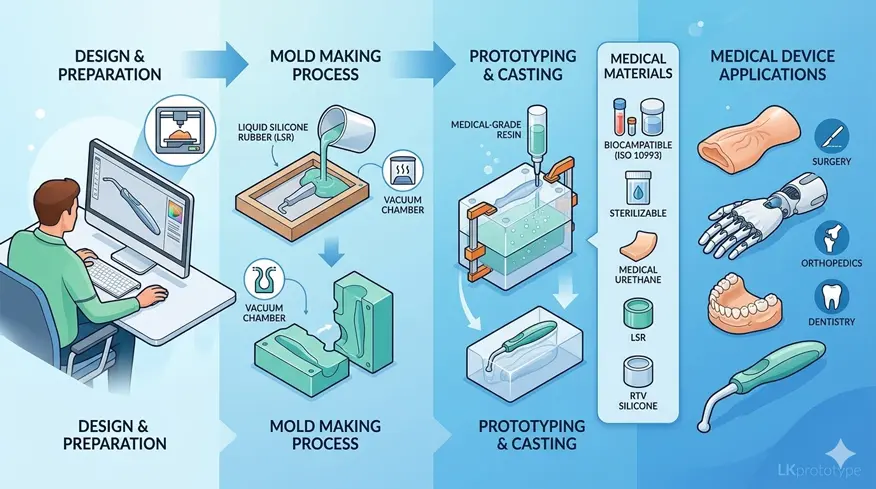
A silicone mold for medical devices helps you make products quickly. You use this method to build accurate prototypes and test new devices. Silicone is flexible and easy to shape. It shows small details well. Medical teams trust silicone because it is safe for people. Silicone molds give clear benefits:
Advantage | Description |
|---|---|
Enhanced Durability | Silicone molds are strong and resist impacts. They help devices last longer and handle stress. |
Protection Against Environmental Factors | They block moisture and chemicals. This keeps important parts safe. |
Cost Efficiency | They cut down on labor and parts. This makes manufacturing easier and lowers costs. |
Compliance with Regulatory Standards | Silicone is safe for patients. This is very important for medical devices. |
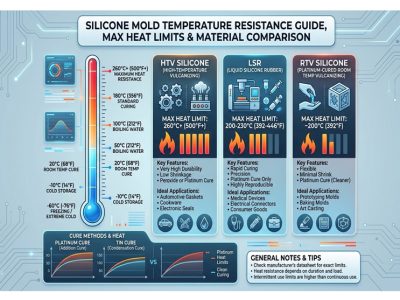
Liquid silicone rubber can handle high heat. This makes cleaning and sterilizing easier. Its stretchiness fills every part of the mold. This helps stop contamination. With 3D printing and better molding, you can pick materials and control each step for your medical devices.
Key Takeaways
Silicone molds help make medical device models fast and right. This saves both time and money for companies. Medical-grade silicone is safe to use in the body. It is bendy and strong. It meets tough FDA rules and biocompatibility standards. Clear silicone molds let people see small details easily. This helps find and fix design problems early. 3D printing with silicone molding allows quick design changes. It also makes custom parts that fit better. Picking the right silicone type is important. Following quality control steps keeps devices safe and high-quality.
WHAT IS A SILICONE MOLD FOR MEDICAL DEVICES AND WHY IT IS USED
DEFINITION OF SILICONE MEDICAL MOLDS AND KEY BENEFITS
A silicone mold helps make medical parts fast. This way, you can test new ideas and see if they work. Silicone molds are special because they have many good points:
Sterilization: You can clean silicone with heat or strong cleaners. It does not get ruined.
Biocompatibility: Silicone is safe to use with people’s bodies. Doctors trust it for safety.
Design Flexibility: You can make tiny shapes and details with silicone molds.
Cost Reduction: You can put parts together and spend less money.
Durability: Silicone fights off germs, sunlight, and heat. Your parts last longer.
Silicone works better and is safer than other mold materials. It does not break or lose shape, even after many uses.
TRANSPARENCY AND VISUALIZATION ADVANTAGES IN MEDICAL PROTOTYPES
Silicone molds can be clear, so you can see inside your parts. Clear silicone lets you look at small details and inside shapes. This helps you find mistakes and fix them before making lots of parts. You can use patient data to make molds that show tiny features. This makes your test parts more exact and better for checking.
Tip: Clear silicone lets you find problems early. This saves time and money.
BIOCOMPATIBILITY AND FDA COMPLIANCE IN MEDICAL SILICONE
You need to pick materials that are safe for people. Medical silicone follows strict FDA rules for safety. These silicones pass tests to make sure they do not hurt cells or cause problems. They also meet rules like USP Class VI and ISO 10993.
Standard | Description |
|---|---|
USP Class VI | Checks if the material is safe in living things. |
ISO 10993 | Helps you test if the material is safe for the body. |
You can clean medical silicone with steam, special gas, or radiation. It stays strong after cleaning. This is why it is a great choice for devices that touch the body or fluids.
MEDICAL DEVICE PROTOTYPING WITH SILICONE MOLDS
HOW SILICONE MOLDS ARE USED IN MEDICAL PROTOTYPE MOLD DEVELOPMENT
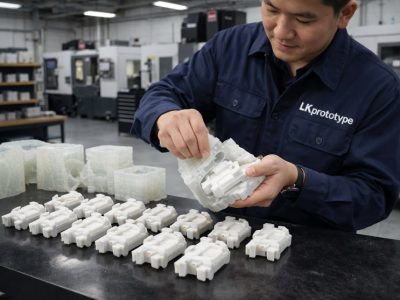
A silicone mold helps you make test parts fast. You can try out ideas before making lots of devices. You can build models for each patient and check if they fit. The silicone molding process gives you the right shapes and tiny details. These details are important for medical parts.
DESIGN AND 3D PRINTING FOR SILICONE MOLD CREATION
First, you design your device on a computer. 3D printing helps you make the first model quickly. You do not need old-style molds, so you save money and time. 3D printing lets you change your design fast. You can make custom parts for rapid silicone prototyping. This is good for prosthetics and devices that need updates often.
MOLD FABRICATION STEPS AND QUALITY CONTROL
You follow these steps to make a silicone mold:
Mix silicone and curing agent in a 10:1 ratio.
Use a vacuum chamber to remove air bubbles.
Pour silicone in small amounts to stop air pockets.
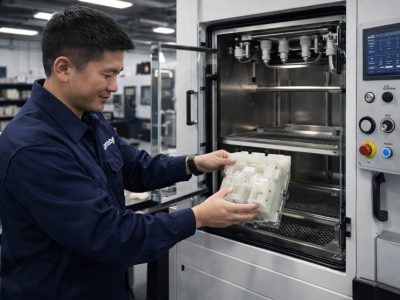
Let the mold cure for 48 hours at room temperature.
Put PVA parts in warm water with ultrasound to dissolve them.
Use CT scans to check your prototype against the design.
You check quality by looking at the parts and measuring them. You also test the materials. You write down each step to meet medical rules and help with audits.
Note: Quality control has steps like Installation Qualification, Operational Qualification, and Performance Qualification. These steps help you make safe and strong medical prototypes.
RAPID PROTOTYPING USING LSR, HCR AND RTV SILICONE
Silicone Type | Key Advantages | Applications |
|---|---|---|
LSR | Flows well, cures fast, safe for medical use | Catheter hubs, infant-care teats |
HCR | Strong, bends easily, good for batches | Heavy-duty seals, vibration mounts |
RTV | Hardens at room temperature, fills spaces | Onsite sealing, coatings |
You pick the best silicone for rapid silicone prototyping based on what your device needs.
COLLABORATION BETWEEN ENGINEERS AND OEMS IN MEDICAL PROJECTS
You work with engineers and OEMs to make your device better. This teamwork helps you build parts that are easy to make. If OEMs help early, you can go from testing to full production faster. Working together makes development quicker and helps your device succeed.
SILICONE MATERIALS FOR MEDICAL DEVICE MOLDS AND FDA REQUIREMENTS
TYPES OF SILICONE: LSR, HCR AND RTV FOR MEDICAL APPLICATIONS
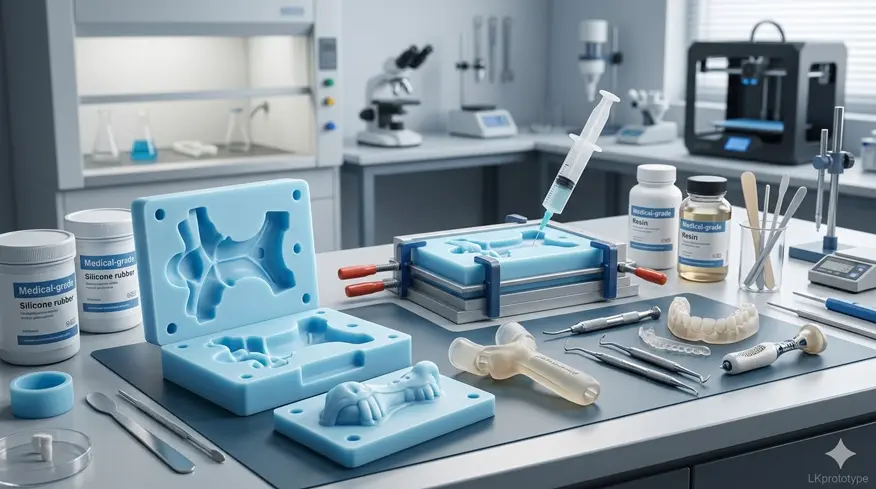
There are different silicone types for medical devices. The most used are liquid silicone rubber, high consistency rubber, and room temperature vulcanizing silicone. Each one works best for certain medical parts.
Liquid silicone rubber (LSR) will be about 45% of the market in 2024. LSR is good for liquid silicone molding. It gives fast and accurate results.
Solid silicone rubber is used more in implants and prosthetics.
RTV silicone hardens at room temperature. It helps make custom medical-grade materials for special needs.
When picking silicone, think about how it fits your device. Also, check the quality you need for your medical parts.
DUROMETER, BIOCOMPATIBILITY AND CHEMICAL RESISTANCE
You need to check durometer, biocompatibility, and chemical resistance for each silicone. These features help keep your medical device safe and high quality. The table below shows what to look for:
Attribute | Description |
|---|---|
Durometer Rating | A rating of 70 means the silicone is firm and flexible. This helps your device last longer. |
Chemical Resistance | Medical-grade materials can handle cleaning and sterilizing. They do not break down easily. |
Biocompatibility Standards | You need USP and FDA approval for safe skin contact over time. |
Application in Devices | These silicones are used in infusion pumps, ventilators, and dialysis machines. |
Sterilization Durability | These materials can survive many sterilization cycles. This saves money on replacements. |
Always check biocompatibility and chemical resistance before picking silicone.
FDA AND USP CLASS VI STANDARDS FOR MEDICAL GRADE SILICONE
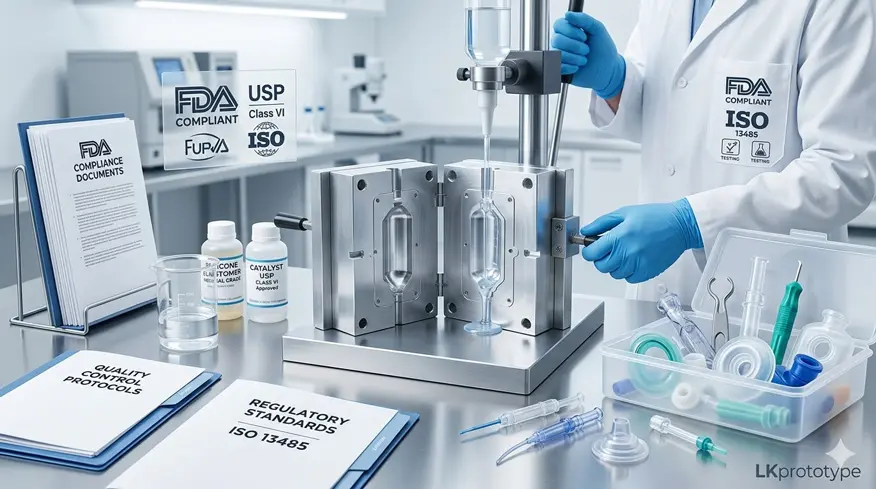
You must follow FDA and USP Class VI rules for medical-grade silicone. These rules help you make safe medical parts. Here are some important points:
FDA rules focus on food safety and skin contact. USP Class VI needs strict biocompatibility tests.
FDA does not approve materials directly. It checks if ingredients meet 21 CFR177.26000.
USP Class VI tests for toxicity and how the material acts in the body. This is the strictest rule.
Your silicone choice depends on how long the device touches the body and which rules you must follow.
USP Class VI silicones are good for short-term contact. FDA-approved silicones work for more uses.
The curing method, like peroxide or platinum, changes purity and extractables. This matters for USP and FDA and USP Class VI rules.
Tip: Always pick silicone that fits your device’s use and quality needs. This helps you pass biocompatibility tests and keeps patients safe.
MEDICAL APPLICATIONS OF SILICONE MOLDING AND PROTOTYPING
SILICONE MOLDS FOR IMPLANTABLE AND DISPOSABLE MEDICAL DEVICES
Silicone molds help make medical devices for many uses. You can make parts that fit each patient. This is important for orthoses and prosthetic interfaces. Customization lets you build devices fast and test them. Rapid prototyping helps check quality before making more parts. You must follow fda rules and biocompatibility standards like ISO 10993. These rules keep silicone products safe when they touch the body.
Custom orthoses and prosthetic interfaces help patients feel better.
Disposable devices, like catheters and wound dressings, use silicone for safety.
Biocompatibility testing keeps patients safe and meets fda rules.
CUSTOM MEDICAL PROTOTYPE MOLDS AND END-USE PARTS
You can make custom medical prototype molds to test parts. This helps you check quality and fix designs. You get feedback from prototype runs and bridge tooling. These steps help you improve part shape and efficiency. Low-volume molding saves money compared to old tooling.
Benefit | Description |
|---|---|
Early Validation | You test parts in real life to see if they work. |
Design Refinement | You change designs to make them better and easier to build. |
Cost-Effective Production | You spend less by making fewer molds and parts. |
Rapid Iterations | You can change prototypes fast to improve quality. |
Regulatory Approval Support | You check designs early to help with fda approval. |
CASE STUDIES AND INDUSTRY EXAMPLES IN MEDICAL DEVICE PROTOTYPING
Medical injection molding is used in many ways. Silicone molds help make custom surgical tools. These tools help doctors work more accurately. Prosthetics and orthopedic devices use rapid prototyping to fit better. This makes patients more comfortable. Medical simulation models use silicone for training. Diagnostic devices, like microfluidic chips, need silicone molds for accuracy. Advanced wound care products help healing and lower scarring.
MedTech Innovations uses silicone molding for implants, prosthetics, and diagnostic tools. This shows you can make complex shapes and keep high quality.
Medical simulation models help doctors practice and learn new skills.
Custom surgical tools and prosthetics help patients feel better and improve quality.
Tip: Silicone molds let you test and fix medical devices before making lots of them. This helps you meet quality standards and fda rules.
SILICONE MOLD VS INJECTION MOLDING FOR MEDICAL PROTOTYPES
DIFFERENCES BETWEEN SILICONE MOLDING AND MEDICAL INJECTION MOLDING
It is important to know how silicone molding and medical injection molding work. Silicone molding uses soft molds that are made fast. You pour or inject silicone into the mold to make your part. Medical injection molding uses hard metal molds. Melted plastic or silicone goes into these molds with high pressure. This makes parts strong and the same every time. Medical injection molding works for small and big parts. Silicone molding is good for quick changes and custom shapes. Medical injection molding gives you smooth finishes and high accuracy. Silicone injection molding is used for special medical parts needing flexibility and detail.
COST, LEAD TIME AND FLEXIBILITY COMPARISON
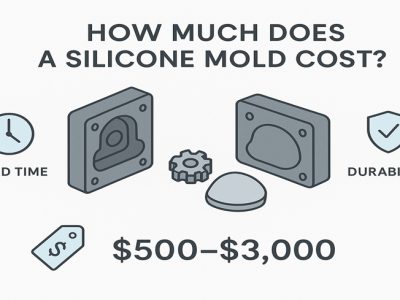
You want to save money and time when making prototypes. Silicone molding costs less at first. You do not need expensive tools. You can set up fast and change designs easily. This helps you test ideas quickly. Medical injection molding costs more at the start because you need hard molds. These molds last a long time and are good for big batches. When you make many parts, each part costs less. Medical injection molding is best for large runs. Silicone molding is better for small batches and fast changes. Silicone molds give you more flexibility. You can try new designs without waiting long.
Tip: Use silicone molding for quick tests and small batches. Choose medical injection molding when you need thousands of parts and want to save money over time.
WHEN TO USE VACUUM CASTING FOR MEDICAL DEVICE PROTOTYPING
Vacuum casting helps you make medical prototypes that look and feel real. You can use this method for small and medium batches. It works well for testing how your devices work and for checking designs. You can use vacuum casting for pre-production runs. This lets you see how your parts will work before making lots of them.
Scenario | Benefits |
|---|---|
Small to medium batches | High-quality prototypes with real material properties and durability |
Functional testing | Test how medical devices work before full production |
Design validation | Check if your design matches the final product |
Pre-production runs | Use prototypes in the first phase of production |
Vacuum casting is good for complex medical parts, imaging equipment, surgical tools, and patient-specific models for surgery planning. This method gives you strong and accurate prototypes for many medical uses.
HOW TO CHOOSE THE RIGHT MEDICAL PROTOTYPE MOLD AND PROCESS
MATERIAL SELECTION BASED ON MEDICAL DEVICE REQUIREMENTS
You must pick the best material for your medical mold. The right choice depends on what your device does. It also depends on how people will use it. When you choose a material, think about these things:
Biocompatibility: Make sure the material is safe for people. This matters if the device touches skin or tissue.
Sterilization Compatibility: The material must handle cleaning with heat or chemicals. It should not break or change.
Mechanical Properties: Look at how hard, bendy, or heavy it is. These things help your device work well and last longer.
Durability: The material should stay strong and keep its shape after many uses.
Silicone works for many medical devices because it meets these needs. Always match the material to what your device must do.
PROCESS OPTIMIZATION FOR COST AND LEAD TIME
You want to make your medical prototype quickly and not spend too much. You can do this by picking the right process and managing each step well. The table below shows ways to make your process better:
Strategy | Description |
|---|---|
Material Selection | Pick the best silicone to waste less and save money. |
Quality Control | Check your parts to lower mistakes and save on work and materials. |
Efficient Mold Management | Take care of molds so they last longer and cost less. |
Aligning Mold Choice with Needs | Pick the right mold for your batch size to save time and work better. |
Accelerating Prototyping | Use custom silicone molds to test designs faster and finish development sooner. |
Tip: Good planning helps you get your medical device ready faster and saves money.
SCALABILITY, QUALITY ASSURANCE AND REGULATORY COMPLIANCE
You need to think about how your process will grow from one part to many. Early prototyping lets you test and fix your design. Production molds help you make lots of parts that are all the same. Quality checks and validation steps keep your device safe and working right.
Validation Process | Purpose |
|---|---|
Installation Qualification | Checks if equipment is set up right |
Operational Qualification | Makes sure the process works well |
Performance Qualification | Checks if you get the same results |
Early checks help you find problems before making lots of parts.
Production molds help you work faster and make parts the same way.
Following these steps helps you follow medical rules.
Note: Always write down your validation steps. This helps you follow medical rules and pass checks.
FAQ
WHAT IS A SILICONE MOLD FOR MEDICAL DEVICES
A silicone mold for medical devices helps you make test parts fast. You use these molds to shape materials into the right forms. This lets you check if your design works before making many devices. Silicone molds are used a lot in medicine because they are bendy, simple to use, and safe for people.
HOW ARE MEDICAL DEVICE PROTOTYPES MADE USING SILICONE MOLDS
First, you design your part on a computer. Then, you make a master model, often with 3D printing. You pour silicone over this model to make a mold. When the silicone dries, you take out the master and pour your material into the mold. This way, you can see how your device will look and work. You can change your design and make new molds fast. This saves you time and money.
IS MEDICAL GRADE SILICONE SAFE AND BIOCOMPATIBLE
You can trust medical grade silicone because it is safe and works well with the body. Studies show it does not cause bad reactions when it touches tissues. It does not react much, so it lowers the chance of swelling or infection. Its smooth surface stops germs and fungi from growing, which helps stop infections in medical uses.
Medical grade silicone does not react with the body.
It helps lower the chance of infection and swelling.
Its smooth surface keeps germs and fungi away.
WHAT IS THE BEST PROCESS FOR MEDICAL DEVICE PROTOTYPING
You should pick your prototyping process based on what you need. Flexible materials help you meet different design needs. You can make changes and test new ideas quickly with rapid design. The way you use your device will help you choose materials and methods. You also need to check materials, measure parts, and test hardness to make sure your prototypes work well. Think about your time, money, and the shape of your parts when you plan your process.
Tip: Always follow fda rules and check that your materials meet fda safety standards.
You get lots of benefits from silicone molds for medical devices. These molds let you make test parts fast and exact. Silicone stands up to cleaning chemicals and keeps devices safe. You can follow tough medical rules like ISO 10993 and USP Class VI. Picking the right material helps your device work well and last longer. Making your process better gives you good quality and fewer problems. If you want results you can trust, try silicone molding for your next medical project. Getting help from experts lets you make smart choices.