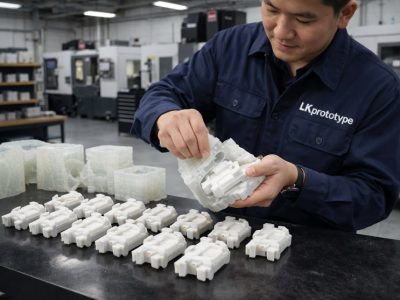
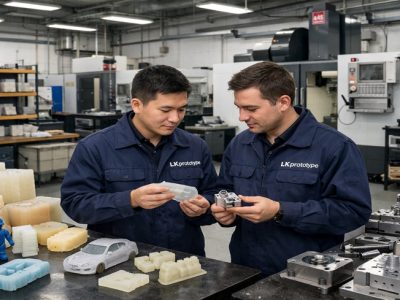
LKprototype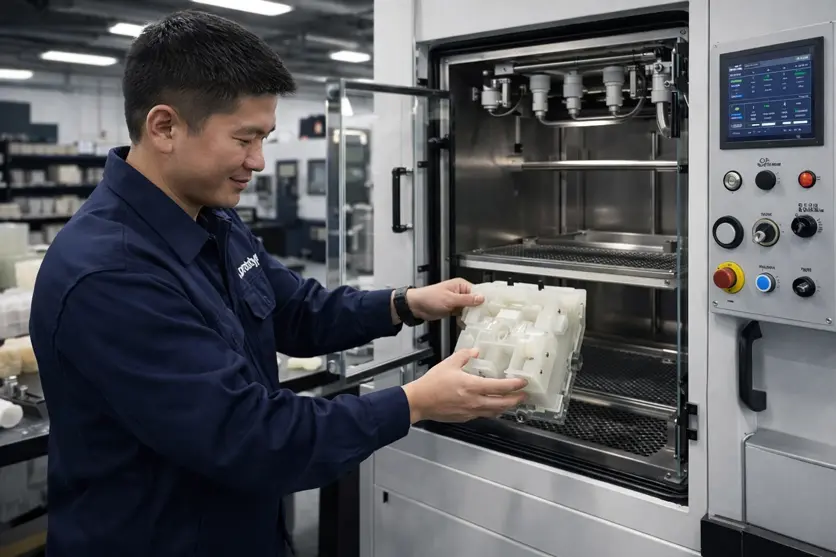
In the world of modern manufacturing, the silicone mold casting process has emerged as a powerhouse for creating high-quality prototypes. Also known as vacuum casting, silicone tooling casting bridges the gap between initial 3D printed models and full-scale injection molding. Whether you are looking for low-volume production runs or functional testing parts, understanding how this process works is essential for optimizing your product development cycle.
The silicone mold casting process helps you make detailed copies of a master part. It uses a flexible silicone mold. You can use this process to make prototypes and finished products. Many industries use silicone molds. They help make items for medical devices, automotive design, aerospace, industrial prototyping, jewelry, art, and household goods. Silicone is easy to use. It captures small details well. It works with many casting materials. This process is fast and reliable. It helps you create accurate molds.
Key Takeaways
Silicone mold casting is a cheap way to make prototypes. It helps create small batches fast. This saves both time and money. It works better than old methods.
Silicone molds help make prototypes quickly. You can test and change designs fast. This speeds up making new products.
Vacuum casting removes air bubbles. This makes parts look good and fit well. The surface is smooth and the size is correct.
Picking the right silicone and resin is important. It helps make strong molds. These molds last longer and can be used many times.
Taking care of silicone molds is important. Good care makes molds last longer. You can make more parts from each mold.
WHAT IS THE SILICONE MOLD CASTING PROCESS?
DEFINITION AND INDUSTRIAL SIGNIFICANCE OF SILICONE CASTING
The silicone mold casting process helps you copy parts with lots of detail. Silicone molds can show tiny features and tricky shapes. In factories, people follow steps to make parts using silicone casting. The table below explains how this process works in different industries:
Step | Description |
|---|---|
1 | You put silicone rubber into a heated mold cavity. |
2 | You close the mold with pressure so silicone fills the space. |
3 | You use heat and pressure for a certain time to cure it. |
4 | You take out the finished silicone part from the mold. |
5 | You trim or finish the part if needed. |
Silicone casting is important in many fields. It is used in cars, medicine, and products people buy. Silicone molds help make prototypes and small batches fast. You can try out ideas and change them before making lots of parts. This process saves both time and money.
Tip: Silicone mold casting (also called vacuum casting) lets you test your designs with real materials before spending money on expensive tools.
WHY SILICONE TOOLING CASTING IS VITAL FOR RAPID PROTOTYPING
When you make new products, you need tools that work fast and can change easily. Silicone casting gives you quick results. You can make silicone molds in only a few days. This lets you test ideas and change them fast. Here are some reasons to use silicone tooling casting for rapid prototyping:
You can develop products faster. You finish testing in days instead of months.
You can see if your prototype works in real life. For example, you can check if a sensor gasket fits in a car.
You can touch and look at your prototype. This helps you check its shape, size, and feel.
You spend less money on making prototype tools than on full production tools.
You can change and make new versions easily because silicone molds bend and stretch.
Silicone mold casting (also called vacuum casting) is a cheap way to test and improve your designs. You can go from an idea to a finished part much faster.
KEY BENEFITS OF THE SILICONE MOLD CASTING PROCESS
COST-EFFECTIVE BRIDGE PRODUCTION SOLUTIONS
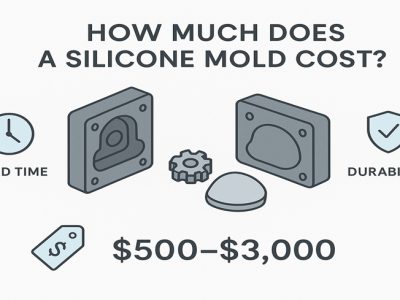
Silicone mold casting helps you save money. It is good for making prototypes and small batches. You do not need to buy expensive tools. Silicone molds let you make detailed parts for less money. The price depends on how you make the master model. It also depends on how complex the mold is and what materials you use. If you only need a few parts, silicone casting costs less than CNC machining or injection molding.
Here is a table to compare costs:
Method | Cost Considerations |
|---|---|
Silicone Molding | Cheaper for prototypes and small batches. Price changes with complexity. |
CNC Machining | Costs more for tricky shapes and high accuracy. |
3D Printing | Quick and cheap for complicated shapes. |
Tip: To save money, use simple designs and pick the best material for your mold.
RAPID LEAD TIMES AND SUPERIOR SURFACE QUALITY
Silicone molds help you finish projects quickly. You can make parts in days instead of weeks. The parts have smooth surfaces and sharp details. This lets you see and touch your design before making lots of them. The table below shows how silicone casting compares to other ways:
Process | Lead Time | Surface Quality |
|---|---|---|
Silicone Mold Casting | Quicker than injection molding | Keeps tiny features and tight tolerances |
Vacuum Casting | 5–10 business days | Great surface finish, copies fine details |
Cast Urethane Molding | Takes weeks | Works well for small batches |
You can count on silicone molds to give you a nice finish for your prototypes.
MATERIAL VERSATILITY FOR FUNCTIONAL TESTING
Silicone casting works with many materials. This lets you test how your part will act in real life. Silicone molds help you make prototypes that are like the final product. You can check if your part is tough, flexible, or handles heat well. This makes sure your design is ready before you make lots of parts.
Note: Silicone mold casting (also called vacuum casting) lets you try different materials and make your product better.
STEP-BY-STEP: HOW THE SILICONE MOLD CASTING PROCESS WORKS
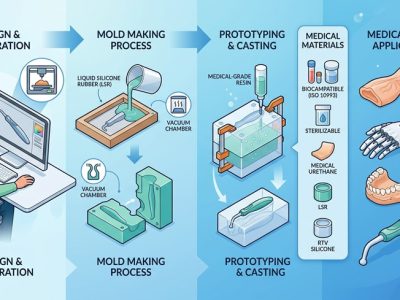
A critical factor in successful silicone tooling casting is the use of premium RTV silicone mold making materials. During the pouring phase, we prioritize air bubble elimination through a specialized vacuum chamber. This ensures the polyurethane casting resins fill every detail of the mold, maintaining the specific durometer of silicone rubber needed for complex geometries and ensuring the dimensional stability of the final parts.
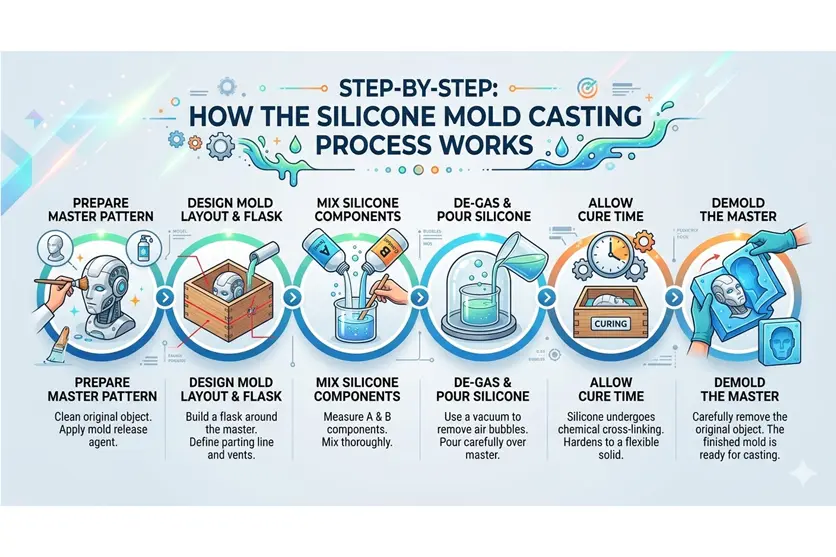
PREPARING THE MASTER PATTERN AND MOLD BOX SETUP
You start the silicone mold casting process by making a master pattern. You can create this pattern with 3D printing or CNC machining. Most people use resin, metal, or plastic for the master. Place your finished pattern inside a mold box. Make sure the box fits the pattern with enough space around it for the silicone. This setup helps you get a strong and flexible mold. Good preparation is important for high-quality silicone molds.
Steps to prepare your mold:
Create your master pattern with the right size and shape.
Put the pattern in the center of the mold box.
Seal any gaps so the silicone does not leak out.
Tip: A clean and smooth master pattern will give you better results in silicone mold making.
MIXING, POURING, AND DEGASSING THE SILICONE RUBBER
Next, you mix your silicone. Use a 1:1 ratio by weight for the two parts. Mix well for about 30 to 40 minutes. Keep the temperature between 69°F and 73°F. This helps the silicone cure the right way. After you mix your silicone, place it in a vacuum chamber. This step removes air bubbles that can cause weak spots or surface defects in your silicone molds.
When you pour the silicone, hold the container at least 18 inches above the mold box. Pour in a thin stream. This lets the silicone flow smoothly and fill every detail. Careful pouring is key in the silicone molding process.
CURING AND PROFESSIONAL DEMOLDING TECHNIQUES
Let the silicone cure fully before you remove the object from the mold. Patience here prevents damage. Once cured, gently break the vacuum seal at one edge. Work around the mold with soft tools. Do not use sharp objects. Support the mold from underneath as you flip it. If the part sticks, press gently on the bottom or soak the mold in warm water for a short time. These steps help you keep your silicone molds in good shape for many uses.
Note: Professional demolding keeps your silicone casting process safe and your molds ready for more projects.
Silicone mold casting (also known as vacuum casting) gives you a reliable way to copy parts with great detail. When you follow each step, you get strong molds and high-quality castings.
TYPES OF SILICONE MOLDS AND TOOLING METHODS
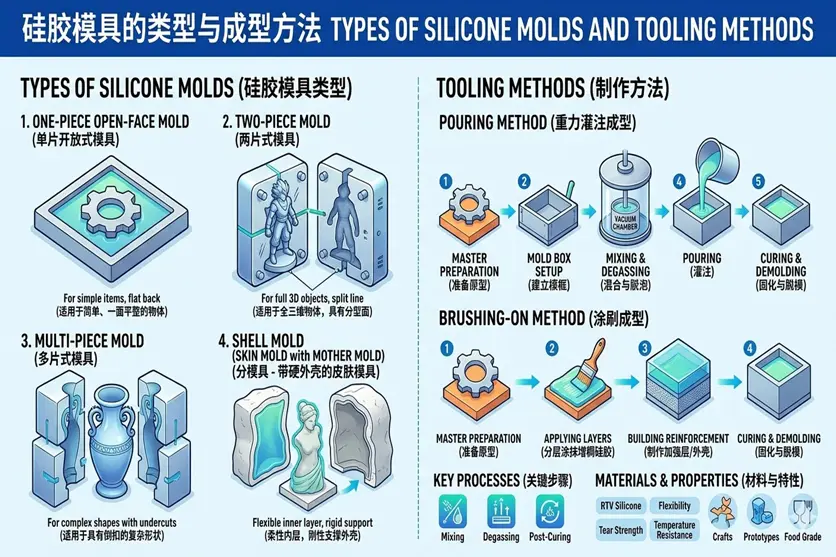
ONE-PART CUT MOLD METHOD FOR SIMPLE GEOMETRIES
The one-part cut mold method is good for easy shapes. It works best for things with a flat side or base. You put your item in a mold box. Then you pour silicone over it all at once. Figurines with flat bottoms are a good example. Make sure your item stays still. The silicone covers the item and makes a mold. The mold shows every detail. You can cut the mold open and take out your part. This method helps you learn how to make a silicone mold fast and with less work.
Tip: Use the one-part cut mold method for simple designs. You save time and get good results.
Silicone mold casting works well for these shapes. You can copy things like buttons, coins, or small toys. This method is great for making custom silicone molds at home or in a workshop.
TWO-PART PRECISION SILICONE TOOLING FOR COMPLEX PARTS
You need two-part precision silicone tooling for hard shapes. This method uses two halves to make a full mold. You can make silicone molds for items with deep holes or tricky details. You pour silicone in two steps. The mold fits together just right. This helps you get tight tolerances and high performance.
Precision and performance are important in healthcare device making. Patient safety must come first.
Silicone casting makes sure parts are safe for people and stable with chemicals. These features matter for complex parts.
You keep tight tolerances and steady performance. This meets strict clinical rules.
Chemical compatibility helps parts last longer.
Thermal properties change how your product works.
Mechanical features make parts work better and look nice.
Silicone mold casting lets you make silicone molds for advanced projects. You can use this method for car parts, medical devices, and prototypes with tough shapes. You get results you can trust and can test your designs before making lots of them.
Note: Two-part molds help you make silicone casting possible for parts that need lots of detail and strength.
Pick the right method for your project. One-part molds are best for simple shapes. Two-part precision silicone tooling is needed for complex parts. Both methods help you use silicone molds to get the results you want.
MATERIALS USED IN SILICONE TOOLING CASTING
SELECTING THE RIGHT RTV SILICONE RUBBER
You have to pick the right RTV silicone rubber for your project. RTV means "room temperature vulcanizing." This silicone hardens at room temperature. It makes flexible silicone molds. There are two main types: tin-cure and platinum-cure silicone. Platinum-cure silicone is better for custom silicone molds. It is strong and shows small details. It also does not get damaged by most casting resins. Tin-cure silicone is cheaper. But it does not last as long. It may not work with some resins.
Silicone Type | Tear Strength | Detail Reproduction | Mold Life | Resin Compatibility |
|---|---|---|---|---|
Platinum-cure | High | Excellent | Long | Broad |
Tin-cure | Medium | Good | Short | Limited |
Tip: Always read the instructions from the maker. This helps you mix and cure the silicone the right way. You will get better results and avoid mistakes.
COMPATIBLE POLYURETHANE AND EPOXY CASTING RESINS
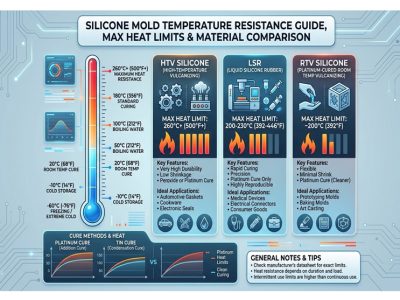
You can use polyurethane and epoxy resins with silicone molds. These resins help you make strong and detailed parts. Make sure the resin matches your silicone type. Some resins can stick to the mold or hurt it. Platinum-cure silicone works with most resins and keeps your mold safe. Some polyurethanes get very hot when they cure. High heat can damage silicone molds or your cast parts. Use heat-resistant silicone molds if your resin gets hot or needs an oven.
Match the resin with the right silicone.
Use release agents to protect your mold.
Make sure both the resin and mold can handle the heat.
Pick silicone molds that can take up to 200°C for hot resins.
Note: Silicone mold casting (also called vacuum casting) lets you try many materials. You can see how your parts work before making a lot of them.
Silicone casting is flexible. You can test different resins to find the best one. You get strong, detailed parts and your molds last longer.
ADVANCED TECHNIQUES: VACUUM CASTING WITH SILICONE MOLDS
THE ROLE OF VACUUM IN ELIMINATING AIR BUBBLES
Air bubbles can mess up your parts when you use silicone mold casting. They make the parts weak and less detailed. Vacuum casting uses a vacuum chamber to fix this problem. You put the liquid silicone or resin inside the chamber. The vacuum pulls out the trapped air. This helps the material fill every part of the mold.
Here is how the vacuum helps you get better results:
The vacuum is important for filling the mold and stopping air bubbles in both silicone and resin.
Keep the vacuum pressure between -0.09 and -0.1 MPa for 15 to 30 minutes when you remove air from the silicone. This step gets rid of leftover air.
Remove air from the resin for 15 to 20 minutes under the same vacuum. This makes sure your finished part has no bubbles.
The vacuum chamber helps you copy tiny details and sharp edges in your custom silicone molds.
If you skip the vacuum step, you might see holes or weak spots in your silicone molds. Using a vacuum gives you strong, smooth, and detailed parts every time.
Tip: Always use a vacuum when making silicone molds. This gives you the best quality.
HOW VACUUM CASTING IMPROVES DIMENSIONAL ACCURACY
Vacuum casting does more than just remove air bubbles. It also helps you make parts that match your design. When you use silicone casting with a vacuum, the material fills the mold evenly. This means your part has the right size and shape.
Vacuum casting fills the mold without trapping air, so every corner gets filled.
You can make complex shapes and fine details with high accuracy.
Silicone casting with a vacuum gives you tolerances as good as traditional methods like injection molding.
Silicone mold casting (also called vacuum casting) is the best choice when you need parts that fit together perfectly. You can trust this method for making silicone molds for prototypes, models, and even small production runs.
Note: Vacuum casting helps you get the most out of your silicone molds by making sure every part is accurate and bubble-free.
TROUBLESHOOTING THE SILICONE MOLD CASTING PROCESS
PREVENTING SHRINKAGE AND MAINTAINING TIGHT TOLERANCES
You may notice that parts from the silicone mold casting process sometimes shrink or lose their shape. Shrinkage can make your parts too small or cause them to not fit together. You want your silicone molds to give you parts with the right size every time.
Common causes of shrinkage in silicone casting include:
Trapped air inside the mold
Uneven wall thickness in your part
Poor thermal control during curing
To keep tight tolerances, you should:
Degas your resin well before pouring to remove air bubbles
Control the temperature during curing for even results
Plan your gate and vent locations so resin flows smoothly
You should also adjust your design for shrinkage. Submit your CAD models at the correct size. This helps the manufacturer make custom silicone molds that match your needs. Always check the material’s shrink rate and shape when you design your part.
Tip: If you want the best results, always talk with your manufacturer about the right dimensions for your silicone molds.
MAXIMIZING SILICONE TOOLING LIFE FOR MULTIPLE SHOTS
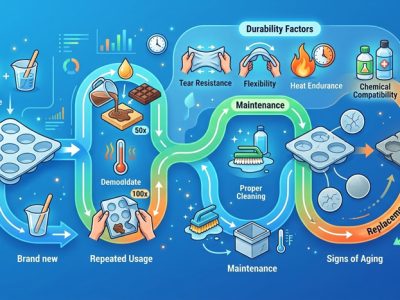
You want your silicone molds to last for many uses. Good care and the right steps help you get more parts from each mold. Silicone casting works best when you follow these tips:
Use a vacuum or pressure chamber to remove air bubbles. This keeps your molds strong.
Mix your silicone with the correct ratio and cure at the right temperature. This prevents weak spots.
Do not force parts out of the mold. Gently remove them to avoid stretching or tearing.
Clean your molds after each use. Store them in a cool, dry place.
If you see any damage, fix it before using the mold again. Silicone mold casting (also known as vacuum casting) gives you many parts from one mold if you take care of it. You can use silicone molds for prototypes, models, and small production runs.
Note: Careful handling and proper storage help your silicone molds last longer and keep your parts looking great.
COMPARING SILICONE CASTING TO OTHER MANUFACTURING METHODS
SILICONE MOLD CASTING VS. 3D PRINTING (SLA/SLS)
You might wonder how silicone mold casting compares to 3D printing like SLA and SLS. Both can make parts with lots of detail, but they do things differently. SLS makes molds with great detail and smooth surfaces. Vapor smoothing helps SLS prints look nice without extra coatings. This means you get a mold that works for short and long runs. SLS molds do not need support structures, so they last longer and work better.
Here is a table showing the cost for each technology:
Technology | Cost Range |
|---|---|
SLS | $10,000 - $650,000 |
SLA | $3,750 - $5,000 |
Silicone molds let you use different materials and copy tiny details. Silicone casting is good for prototypes and small batches. You can test different resins and see how your part looks and feels.
SILICONE TOOLING VS. TRADITIONAL INJECTION MOLDING
You may ask how silicone tooling compares to injection molding. Each method has its own strengths. Injection molding is best for making lots of parts. It costs more at first, but the price per part goes down as you make more. Silicone casting is better for smaller amounts. You spend less at the start and can change your design easily.
Aspect | LSR (Liquid Silicone Rubber) | SSR (Solid Silicone Rubber) |
|---|---|---|
Production Volume | Great for high-volume production with lower cost-per-unit over time | Better for low-volume production with simple designs |
Cost | Higher first investment but better long-term savings | Lower upfront costs but may have higher labor costs over time |
Material Properties | Works well for tricky shapes and biocompatibility | Good for thicker, tougher parts |
Silicone molds help you make complex shapes and try new ideas without spending too much. Silicone casting (also called vacuum casting) gives you a fast way to get working parts.
WHEN TO CHOOSE SILICONE CASTING FOR YOUR PROJECT
You should think about a few things before picking a method. Silicone casting is a smart choice when you need:
To save money and keep costs low
Fast results and quick curing
High detail and smooth surfaces
Flexibility with materials and design
Small to medium production runs
Silicone molds help you reach your project goals when you want to test ideas or need custom parts. You can pick eco-friendly silicone options. Many artists and companies use sustainable materials, which can cut environmental impact by up to 50%. Energy-efficient silicone manufacturing can save money and help the planet.
Tip: Pick silicone casting (also called vacuum casting) when you want speed, detail, and flexibility for your prototypes or small batches.
CONCLUSION: FUTURE TRENDS IN SILICONE TOOLING CASTING
Big changes are coming to the silicone mold casting process. New materials and smart technology are making silicone molds better. You will see faster production and higher quality. There will be more eco-friendly choices too. Silicone casting is getting quicker and more reliable for many industries.
Here is a table showing the latest trends and innovations:
Trend/Innovation | Description |
|---|---|
Material Performance in Different Environments | Silicone stands up to UV, aging, and heat. Eco-friendly silicone is now available. |
Speedy mold-making | New silicone cures faster and lasts longer. Production speeds up and molds stay strong. |
Cost-effectiveness | Silicone avoids high costs of steel tools. You can make short runs and test ideas quickly. |
Compatibility with new technologies | Silicone molds work well with automation and hybrid lines. |
Next-Gen Silicone Formulations | Faster curing and better performance help you finish projects sooner. |
Liquid Silicone Rubber Injection and Automation | Automated LSR molding gives you precise results and less variation. |
Vacuum Casting | This method reduces errors and makes casting more repeatable. |
Introduction of AI and IoT processes | Real-time monitoring keeps material consistent and cuts waste. |
You will gain from these new advances. Silicone casting will help you make parts with better detail and less waste. You can use silicone molds for rapid prototyping and small production runs. Silicone mold casting (also called vacuum casting) will keep getting better with new technology.
Watch for new silicone materials that work in tough places. Automation and AI will make the mold process faster and more accurate. Silicone casting will stay cheap and flexible for your projects. You can count on silicone molds as manufacturing changes.
Tip: Keep learning about new silicone casting methods. You will get better results and save time on your next project.
You now know that silicone mold casting is flexible, strong, and saves money. The table below shows the main benefits:
Key Steps and Benefits | Description |
|---|---|
Flexibility | Silicone molds are simple to use and do not break easily. |
Durability | Silicone molds can be used many times. |
Cost-effectiveness | Silicone casting costs less for prototypes and small batches. |
Silicone molds help you make detailed parts for cars, medicine, and everyday items. You should pre-treat molds and keep them clean for best results. If you want to learn more, read advanced mold making articles or join workshops.
FAQ
What is silicone mold casting (also known as vacuum casting)?
Silicone mold casting is when you pour liquid into a silicone mold. A vacuum pulls out air bubbles. This helps you make parts with lots of detail. You can finish parts quickly and they are very accurate.
How many times can I use a silicone mold?
Most silicone molds work for 15 to 25 uses. If you take care of your mold, it can last longer. Using the right materials also helps your mold stay strong.
What materials work best with silicone mold casting (also known as vacuum casting)?
You can use polyurethane, epoxy, and some waxes with silicone molds. Always check if your resin fits your silicone type. This gives you the best results.
Why should I use vacuum casting instead of 3D printing?
Vacuum casting makes smoother parts than most 3D printing. You get better detail on your parts. You can test different materials and make small batches faster.