Share a little biographical information to fill out your profile. This may be shown publicly.

Cast metal parts are essential components created by pouring molten metal into a mold, allowing it to solidify into a desired shape. This versatile manufacturing process is vital for producing complex and durable parts used in industries ranging from automotive to aerospace. In this article, we will explore the techniques and applications of cast metal parts, offering insights into their advantages and the various methods involved in their production. Key Takeaways Metal casting involves pouring molten metal into a mold to create durable, intricate parts and is widely used across various industries, including automotive, aerospace, and medical. The metal casting…
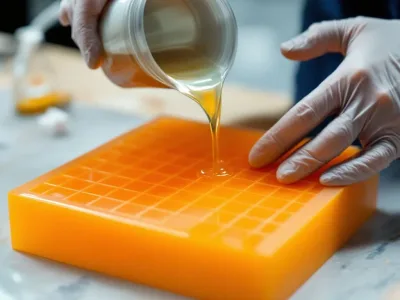
Wondering how to make a mold for silicone parts? This guide breaks down the process into simple steps. Learn how to pick the right silicone, gather your tools, design your mold, and go through the mixing, curing, and demolding phases. Get ready to create your own professional-grade silicone molds. Key Takeaways Select the appropriate silicone type (tin-cure for beginners and platinum-cure for high durability) based on project needs for successful mold making. Essential tools, materials, and a well-designed mold box are critical for creating precise and effective silicone molds. Proper mixing, curing, and maintenance techniques significantly enhance the quality and…
Are you looking to achieve low cost CNC machining without sacrificing quality? This guide offers valuable insights into reducing CNC machining expenses. You’ll learn about factors that impact costs, tips for cutting down expenses, and affordable CNC machine options for small businesses. Dive in to discover strategies that can optimize your CNC machining processes efficiently. Key Takeaways CNC machining costs are influenced by material selection, design complexity, machine setup time, and production volume. Key strategies to reduce CNC machining costs include optimizing material usage, simplifying designs, bulk ordering, and minimizing finishing operations. Low-cost CNC machining provides significant advantages like cost…
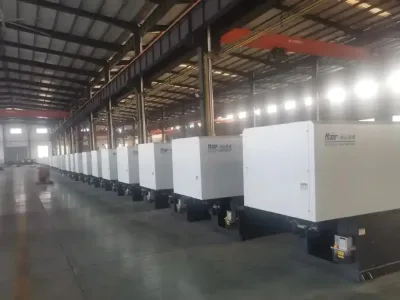
Die casting vs injection moulding: which is right for your project? This article breaks down the key differences in materials, precision, and production volumes. These insights will guide you in making the best choice. Key Takeaways Die casting is a high-pressure metal casting process. It is ideal for producing intricate parts with excellent dimensional accuracy. This method mainly uses nonferrous metals like aluminum and zinc. Injection moulding is a versatile plastic manufacturing method. It allows for rapid production of complex shapes but has higher initial tooling costs. It also has limited design flexibility. When selecting between die casting and injection…
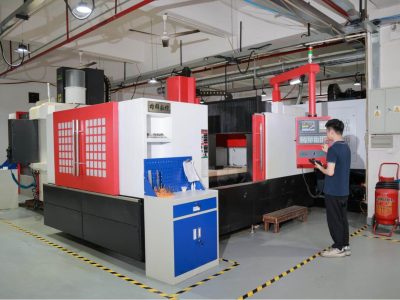
CNC machining 1. Introduction to CNC Machining Services What are CNC machining services? Precision engineering in CNC machining services, also known as precision machining, involves the use of computer-controlled machines to manufacture parts with high precision and accuracy. CNC machining processes are crucial in achieving precise manufacturing standards and certifications, highlighting operational advantages such as high accuracy and the ability to efficiently produce custom parts. These services are widely used across various industries due to their ability to produce complex and intricate designs. The cnc machining advantages include high accuracy, repeatability, and capability for continuous operation, making it ideal for…

Understanding Prototypes and Their Importance A prototype is a model or early version of your invention that helps you test and refine your idea. Creating basic prototypes using everyday materials is an essential step in refining designs before moving into mass production. Prototypes are essential for identifying and fixing design flaws, understanding user needs, and gathering feedback. The prototype development process can save time and money in the long run by ironing out production issues and rectifying problems before mass production. Creating a proof of concept can further validate the feasibility of your invention before moving to more advanced prototyping…
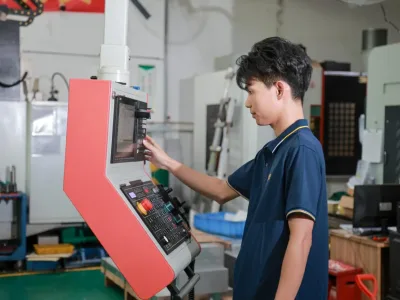
CNC machining prototypes utilize advanced computer-controlled machines to create precise prototypes rapidly, showcasing their versatility and precision across various industries, including military, medical, automotive, aerospace, oil, and energy. This process is crucial in product development, offering advantages like speed, accuracy, and material versatility. Read on to explore the benefits and applications of CNC prototyping in various industries. Key Takeaways CNC prototype machining accelerates product development by enabling rapid iterations and precise prototypes that closely match final product specifications. The versatility of CNC machining allows for the use of various materials like metals, plastics, and composites, making it adaptable to diverse…
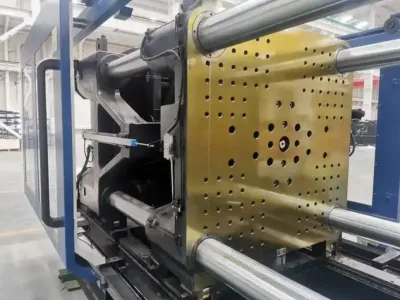
Plastic moulding techniques create the diverse plastic products we use daily. This article covers the main methods: injection, blow, compression, extrusion, rotational, and thermoforming. Learn about each method’s benefits and ideal applications to choose the best fit for your project, utilizing the plastic moulding technique that suits your needs. Key Takeaways Plastic molding encompasses several techniques, including injection, blow, compression, extrusion, rotational molding, and thermoforming, each suited for specific applications and materials. Injection molding is the most versatile method, allowing for high precision, consistent quality, and cost-effectiveness in mass production, while blow molding is ideal for creating hollow and thin-walled…

You can use the urethane casting process to make plastic parts fast. Urethane casting helps you build strong prototypes and small batches with good accuracy. Many industries use urethane when they need speed and quality. People pick this process because it costs less than injection molding. It works well for making a few parts. The global market for urethane casting services is about $500 million. Experts think it will grow by 4.8% each year from 2026 to 2033. Urethane casting lets you spend less money on molds. You get parts faster than with other methods. Urethane gives you strong parts…
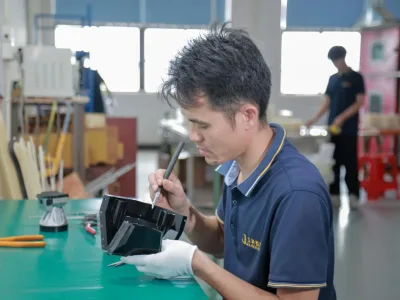
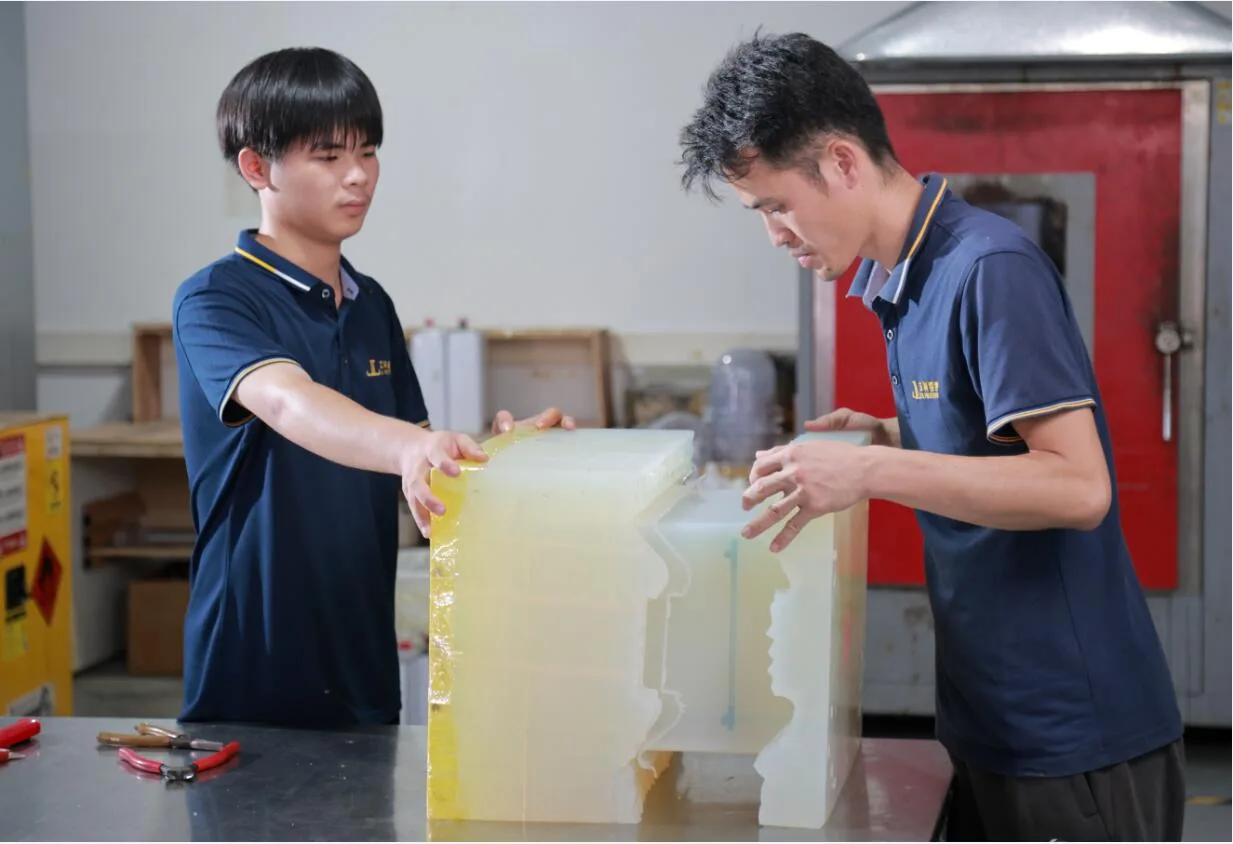
Need to create a reliable mold for silicone casting? This guide covers everything from selecting materials to step-by-step techniques. Learn how to choose the right silicone rubber, mix and pour, and solve common problems for high-quality molds. Key Takeaways High-quality, food-grade silicone rubber and proper mixing tools are essential for successful silicone mold making. Choosing the right silicone rubber type, such as HCR or LSR, is critical for achieving specific mold requirements. Implementing advanced techniques like vacuum degassing and using release agents significantly enhances the quality and longevity of silicone molds. Essential Materials for Silicone Mold Making Urethane Silicone Casting…
Want to convert your CAD design into a sample prototype or small-batch production? Upload your files and get a fast and accurate quote.