LKprototype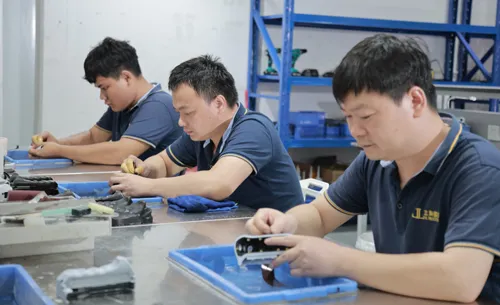
You can pick from many vacuum casting surface finishes. These include painting, polishing, texturing, manual sanding, vapor smoothing, dyeing, plating, clear coating, pad printing, silk screening, laser etching, custom color matching, and soft touch coatings. Each finish helps with different things. Some finishes stop rust or make parts last longer. Others help block electricity, lower outgassing, make surfaces smoother, or make parts look nicer. Picking the right finish helps your part work better and look how you want.
Key Takeaways
Look at different vacuum casting surface finishes like painting, polishing, and plating. These finishes can make your parts look better and last longer. - Think about what your parts need to do when picking a finish. Some finishes make parts stronger. Other finishes just make them look nicer. - You can use manual sanding and vapor smoothing. These help you get the right texture and smoothness for your prototypes. - Use custom color matching to get the colors just right. This helps your parts match your brand or product needs. - Talk to experts or prototype services to try out different finishes. They can help you find the best finish for your project.
Vacuum Casting Surface Finish Options
Vacuum casting gives you lots of ways to finish surfaces. These choices help you make parts that look and work how you want. Here is a list of vacuum casting surface finishes. You will see explanations and examples to help you pick.
Painting and Wet-Spraying
Painting and wet-spraying add color and protect your parts. You use spray guns to put paint on the surface. This works for shiny or dull finishes. You can match colors to your brand or product. For example, you can paint a phone case to try different colors. Painting is good for a custom look or extra protection from water and damage.
Surface Finish Option | Description |
|---|---|
Painting | Paint is used to make parts look nice and protect them. |
Polishing
Polishing makes surfaces smooth and shiny. You use tools to buff the part until it shines. Polishing takes away tiny scratches and makes the part feel smooth. This is great for clear parts like light covers or windows. Polishing is best when you want a fancy look or less friction.
Surface Finish Option | Description |
|---|---|
Polishing | A shiny, smooth finish made by polishing with tools. |
Manual Sanding
Manual sanding uses rough materials to smooth parts. You pick grit sizes to make the finish rough or soft. Big grits take off more material. Small grits make the surface soft and smooth. You can sand a part before painting or to remove mold lines. Manual sanding is good for clean-looking prototypes or testing surface textures.
Abrasive Material | Grit Size Range | Finish Quality Description |
|---|---|---|
Garnet | N/A | Makes a fine finish as it wears down, good for wood. |
Emery | N/A | Rougher, best for sanding and polishing metal. |
Aluminum Oxide | N/A | Lasts long, gets new sharp edges as it wears. |
Silicon Carbide | N/A | Removes material fast, good for wet sanding. |
Zirconia Alumina | N/A | Tough, used on wood, fiberglass, and metal. |
Ceramic Alumina | N/A | Very hard, lasts much longer than other types. |
Coarse Grits (40-60) | 40-60 | Takes off lots of material, shapes wood or metal. |
Medium Grits (80-120) | 80-120 | Used for general sanding, smooths after coarse grit. |
Fine Grits (150-180) | 150-180 | Used for final sanding, gets ready for painting. |
Very Fine Grits (220-240) | 220-240 | Used for polishing and fine finishing. |
Extra Fine Grits (320-400) | 320-400 | Makes very smooth finishes, used in cars. |
Super Fine Grits (500-600) | 500-600 | Used for polishing wood and metal. |
Ultra Fine Grits (800+) | 800+ | Used for the smoothest polishing and buffing, mirror finish. |
Vapor Smoothing
Vapor smoothing uses chemicals to melt and smooth surfaces. You put the part in a chamber and add vapor like acetone. The temperature and pressure are controlled. This makes the surface less rough and shiny. Vapor smoothing is good for 3D printed parts or water-resistant surfaces. For example, you can use it on a medical device to make cleaning easier.
Chemical Agent | Process Parameters | Surface Finish Improvement |
|---|---|---|
Acetone | 5 cycles, 6 s each | 0.144–0.519 µm |
Vapor smoothing can make roughness go from over 8 μm to less than 3 μm. This gives you a much smoother part.
Texturing and Replicating Master Model
Texturing copies surface details from a master model to your parts. Silicone molds pick up tiny patterns like leather, brushed metal, or shapes. You can pick from some VDI textures for different looks. Texturing is great for fast prototypes and small batches. For example, you can add grip to a tool handle or a frosted look to a light cover.
Silicone molds copy fine details and textures from the master model.
VDI textures give you different surface looks.
This is good for fast prototypes and small batches.
Matte, Gloss, and Frosted Finishes
You can pick matte, gloss, or frosted finishes for your parts. Matte and frosted finishes do not shine and hide fingerprints. Gloss finishes are shiny like a mirror. You choose the finish for how you want the part to look and feel. Matte is good for electronics. Gloss is good for display windows.
Finish Type | Reflectivity Level | Surface Gloss Characteristics |
|---|---|---|
Matte/Frosted | Low | Smooth finish; hides fingerprints; looks frosted for clear parts. |
Semi-Gloss | Medium | Some shine; smooth and easy to clean; between shiny and matte. |
High-Gloss | High | Very shiny; needs polishing; best for clear parts. |
Plating
Plating puts a thin metal layer on your parts. You can use chrome, nickel, or gold. Plating makes parts stronger and gives a metal look. For example, you can plate a car emblem to see how it looks. Plating is good for extra strength or a shiny finish.
Surface Finish Option | Description |
|---|---|
Metallization | Metal coating for stronger and better-looking parts. |
Clear Coating
Clear coating protects the surface and makes it shiny. It does not change the color. You spray or brush a clear layer on the part. This is good for scratch resistance or extra shine. For example, use clear coating on a display cover to keep it new. Clear coating is best for parts that need to stay clean and bright.
Dyeing
Dyeing adds color by soaking parts in dye. The dye goes into the surface and makes the color even. Dyeing is good for clear or see-through parts like light covers or buttons. You can test colors quickly with dyeing. Dyeing is best for coloring small batches cheaply.
Pad Printing
Pad printing puts ink on the surface with a soft pad. You can print logos, words, or patterns very accurately. Pad printing works for curved or bumpy surfaces. For example, print a logo on a remote control. Pad printing is best for small parts with detailed graphics.
Silk Screening
Silk screening uses a mesh stencil to put ink on the surface. You can make bold designs and solid colors. Silk screening is good for flat and big parts. For example, use silk screening to add labels to a panel. Silk screening is best for simple graphics and words.
Laser Etching
Laser etching uses a laser to mark or engrave the surface. You can make permanent words, logos, or patterns. Laser etching is good for parts that need names or branding. For example, etch serial numbers on a medical device. Laser etching is best for strong, precise markings.
Custom Color Matching
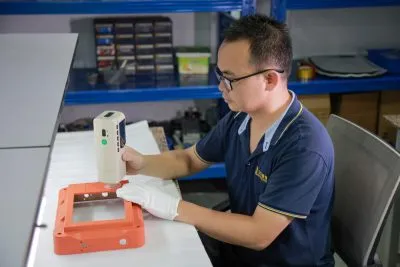
Custom color matching lets you match your part’s color to Pantone or RAL colors. You mix pigments to get the right shade. This is good for branding or matching other products. For example, match a prototype’s color to your company logo. Custom color matching is best for parts that need a certain color.
Custom color matching uses RAL and Pantone pigments for the color you want.
Soft Touch and Anti-Fingerprint Coatings
Soft touch and anti-fingerprint coatings make surfaces smooth and stop smudges. These coatings use special chemicals to keep the surface clean and easy to wipe. Soft touch coatings also help with grip and comfort. For example, use these coatings on a phone case or remote control. Soft touch and anti-fingerprint coatings are best for products that need to feel nice and stay clean.
Feature | Benefit |
|---|---|
Anti Fingerprint/Anti Smudge | Surface does not keep fingerprints or oil and wipes clean easily. |
High Lighting Transmission | Lets over 90% of light through; does not block light. |
Abrasion Resistance | Hard surface; does not scratch or wear easily. |
Chemical resistance | Stays safe from alcohol, cleaners, weak acids, and alkalis. |
Light Weight and Impact Resistance | Light and strong; does not break easily. |
Weatherability | Does not turn yellow or crack in sunlight. |
Tip: If you need help picking a vacuum casting surface finish, many companies have prototype services and experts. These services let you try different finishes to find the best one for your project.
You can use these vacuum casting surface finishes to make parts that look good and work well. Each finish lets you control how your part looks, lasts, and feels. Try different finishes to see which one is best for your needs.
Comparison of Vacuum Casting Finish Options
Key Features Overview
When you pick a vacuum casting finish, you should think about how it changes your part’s look and feel. Some finishes make the part shiny. Others give it a matte look. Some finishes add color. Others make the part last longer. The table below shows how finishes look, how strong they are, how much they cost, and what they are best for.
Finish Type | Appearance | Durability | Cost | Best Applications |
|---|---|---|---|---|
Mass-Dyeing | Even color throughout | Good for prototypes | Low | Buttons, light covers |
Painting | Custom colors, glossy/matte | Moderate protection | Varies | Consumer electronics, toys |
Mirror Polish | Very shiny, smooth | Shows scratches easily | High | Display windows, lenses |
Chrome Plating | Metallic, sleek | High wear resistance | Moderate-High | Automotive, emblems |
VDI Textures | Many surface patterns | Good for grip | Moderate | Tool handles, industrial parts |
Manual Sanding | Smooth or rough | Depends on grit used | Low | Prototypes, test pieces |
Clear Coating | Transparent, glossy | Scratch resistance | Moderate | Covers, screens |
Pad Printing | Precise graphics | Good for logos | Moderate | Remote controls, medical devices |
Silk Screening | Bold colors, flat | Good for labels | Moderate | Panels, signage |
Laser Etching | Permanent marks | High durability | Moderate | Serial numbers, branding |
Soft Touch Coating | Smooth, anti-smudge | Comfortable grip | Moderate | Phone cases, controllers |
Pros and Cons
Every vacuum casting finish has good and bad sides. You should think about what is most important for your project.
Mass-dyeing gives even color and works for simple parts.
Painting lets you pick colors but can chip off.
Mirror polish looks fancy but scratches fast.
Chrome plating makes parts tough and shiny but costs more.
VDI textures help you hold parts and hide marks.
Manual sanding lets you change the surface but takes time.
Clear coating keeps parts shiny and safe from scratches.
Pad printing and silk screening put logos and designs on parts.
Laser etching makes marks that last a long time.
Soft touch coatings make parts comfy and easy to clean.
Tip: For the best surface, use more than one finish, like polishing and clear coating together.
Typical Applications
Vacuum casting finishes work for lots of things. Mass-dyeing is used for buttons and light covers. Painting and pad printing are used for electronics. Mirror polish and clear coating are good for screens and windows. Chrome plating and VDI textures are used for cars and tools. Manual sanding and laser etching are used for test parts and medical devices. Soft touch coatings make controllers and phone cases feel better.
You can pick the finish that fits your part by thinking about how it looks, how smooth it is, and how strong it needs to be. This helps you get the best part from vacuum casting.
How to Choose the Right Vacuum Casting Surface Finish
Functional Requirements
First, think about what your part must do. Each vacuum casting surface finish changes how your part works. Some finishes help your part handle hits or heat. Others make the surface harder or smoother. If your part will be in tough places, pick a finish that protects it. The table below shows what you should think about:
Criteria | Description |
|---|---|
Product Requirements | Pick finishes for impact resistance, heat resistance, or hardness. |
Operating Environment | Think about temperature and humidity that may affect the surface. |
Cost | Balance quality and budget, especially for high-volume production. |
Appearance Goals
You want your vacuum casting parts to look nice. Many designers care about these things:
Get a perfect surface finish for a great look
Make sure the surface is smooth and has no marks
Make the part look better and make customers happy
A shiny or dull surface can change how people see your part. In fancy markets, a bright finish can help your part stand out and get noticed.
Durability Needs
Durability is important for short and long runs. If your part will be used a lot, you need a finish that lasts. Some vacuum casting finishes stop scratches or fading. Others protect from chemicals or sunlight. For small batches, you may want a finish that is easy but still strong. Always pick a finish that matches how long you want your part to last.
Cost Considerations
You need to think about your budget for every run. Some vacuum casting finishes cost more because they take longer or use special stuff. For big runs, you can save money by picking finishes that are quick and easy. For test parts or small runs, you might pay more to get the look you want. Always balance cost with how your part looks and how strong it is.
Tip: Write down your most important needs before you pick a vacuum casting surface finish. This helps you choose the best one for your project.
Real-World Examples of Vacuum Casting Finishes
Consumer Electronics
Vacuum casting helps make test parts for electronics. Companies use painting and pad printing for logos and colors. These finishes go on phone cases and remote controls. Soft touch coatings are used on controllers. They make products feel smooth and look clean. Laser etching adds serial numbers or brand names. Surface finishing services help your part match your design. Your part will feel nice in your hand.
Tip: Try matte or gloss finishes for screens. These finishes let you see how your product looks before making many.
Automotive Prototypes
Vacuum casting helps make detailed car parts. Blackout coatings make lights look the same. RFI/EMI coatings protect electronics from signals. Painting and laser engraving make parts look better. These finishes help your prototypes meet standards. They make parts strong for real tests. You can test dashboard pieces with different finishes.
Finish Type | Benefit |
|---|---|
Blackout Coating | Lights look the same |
RFI/EMI Coating | Keeps electronics safe |
Painting | Custom colors and looks |
Laser Engraving | Marks and branding that last |
Medical Devices
Vacuum casting helps make safe medical device prototypes. Medical-grade silicone is used for sensor housings. This material feels soft and does not cause allergies. The surface matches your CAD model for early tests. You can make wearable sensors with special shapes. These finishes help make devices comfy and safe.
Medical-grade silicone is safe and feels good.
Precision casting matches your design for early tests.
You can make special shapes for real prototypes.
Industrial Components
Vacuum casting makes strong industrial test parts. Companies test dashboard and lighting parts before making many. You can also make parts for medical tools and home devices. Surface finishing services help you pick the best finish. Polishing is used for clear covers. Texturing is used for tool handles. These finishes help your product work better and let you test your design.
Note: Picking a surface finish can help grip, strength, and looks for your industrial parts.
You can pick from lots of surface finishes for vacuum casting. Each finish can make your part look different or stronger. Think about what your project needs before you choose a finish. If your design is tricky, ask a vacuum casting expert for help. Vacuum casting lets you try finishes, make changes, and find the best one for your project.
Try different vacuum casting finishes to help your parts look cool and work well.
FAQ
What surface finishes can you use for vacuum casting parts?
You can choose painting, polishing, manual sanding, vapor smoothing, texturing, plating, clear coating, dyeing, pad printing, silk screening, laser etching, custom color matching, and soft touch coatings. Each finish gives your vacuum casting parts a different look and feel.
How do you pick the best finish for vacuum casting parts?
You should think about how your vacuum casting parts will be used. Consider how strong you want the parts to be, how they should look, and how much you want to spend. Try different finishes to see which one works best for your project.
Can you use vacuum casting for clear parts?
Yes, you can use vacuum casting to make clear parts. Polishing and clear coating help you get a smooth, shiny surface. These finishes work well for light covers, display windows, and other parts that need to be see-through.
Do vacuum casting finishes affect part strength?
Some finishes make vacuum casting parts stronger. Plating adds a metal layer for extra durability. Clear coating protects against scratches. Texturing can help you grip parts better. You should pick a finish that matches your strength needs.
How do you add color to vacuum casting parts?
You can add color to vacuum casting parts by painting, dyeing, or using custom color matching. Painting gives you many color choices. Dyeing works well for clear parts. Custom color matching helps you match your brand colors for your vacuum casting parts.