LKprototype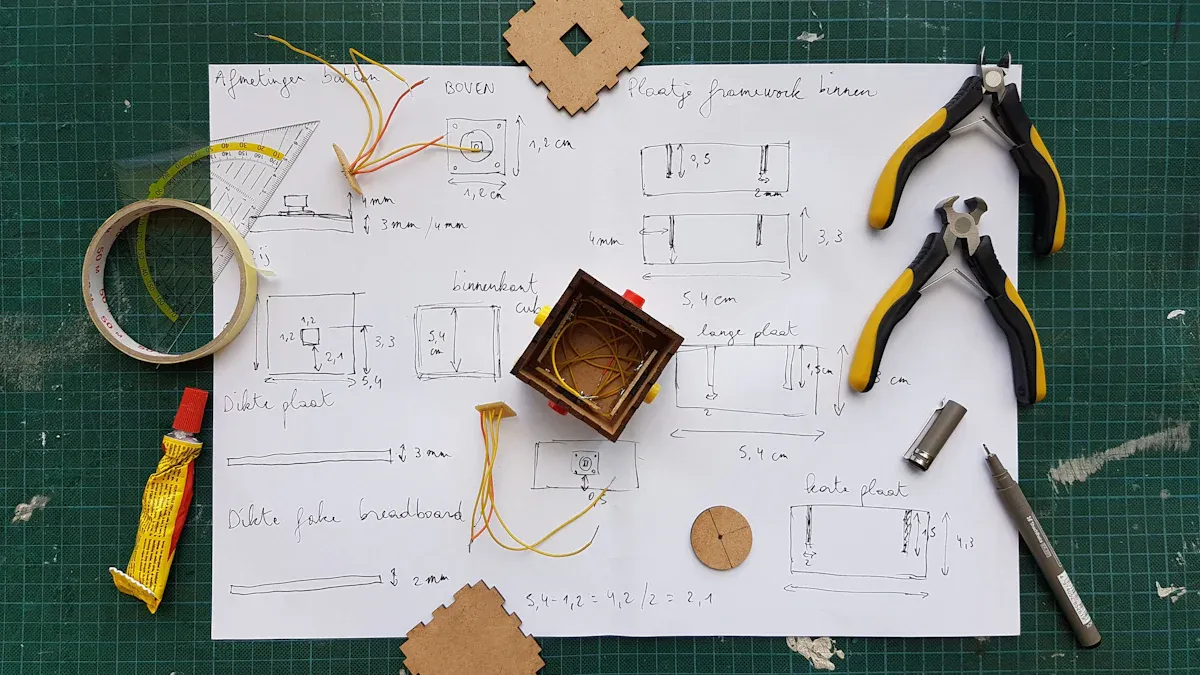
Vacuum casting lets you make a prototype that is strong and accurate, with a vacuum casting lead time that is shorter than many other methods. You can pick from many materials to fit your needs. The process uses silicone molds, so it costs less for small amounts. You get results fast, allowing you to test parts sooner. Vacuum casting lead time is a significant advantage, making it a preferred choice for many engineers. The table below shows why many engineers like casting for working prototypes.
Advantage | Description |
|---|---|
Precision | Can copy complex shapes and small details very well. |
Cost Efficiency | Cheaper for small batches because silicone molds cost less than old ways. |
Speed | Makes prototypes and small batches faster. |
Material Performance Benefits | Gives strong parts, smooth surfaces, steady strength, and clear resins look clear. |
Key Takeaways
Vacuum casting makes strong and exact prototypes fast. This helps you test and change designs quicker.
The process uses soft silicone molds. This saves money for small groups and tricky shapes.
You can pick from many materials. This helps the prototype look and feel like the real thing. It makes testing more real.
Remember wall thickness and design rules. This helps you get the best results and stops problems during casting.
Vacuum casting usually takes 10 to 20 days. This makes it a good choice for tight project deadlines.
Vacuum Casting Process Overview
How the Process Works
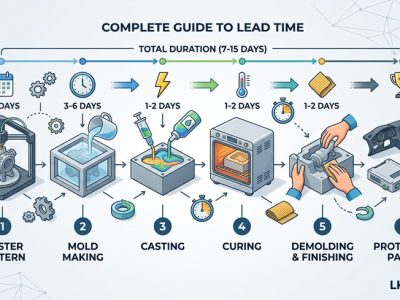
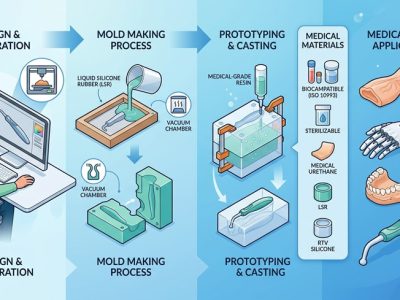
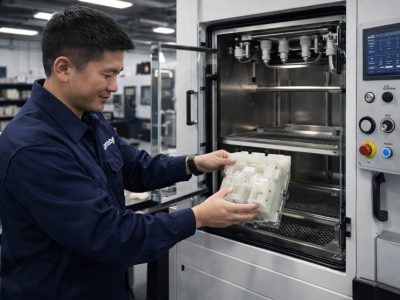
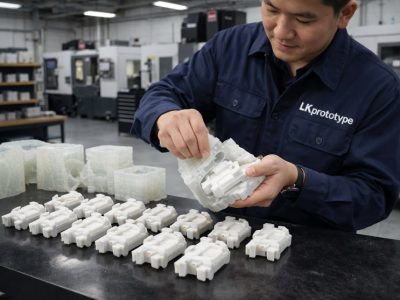
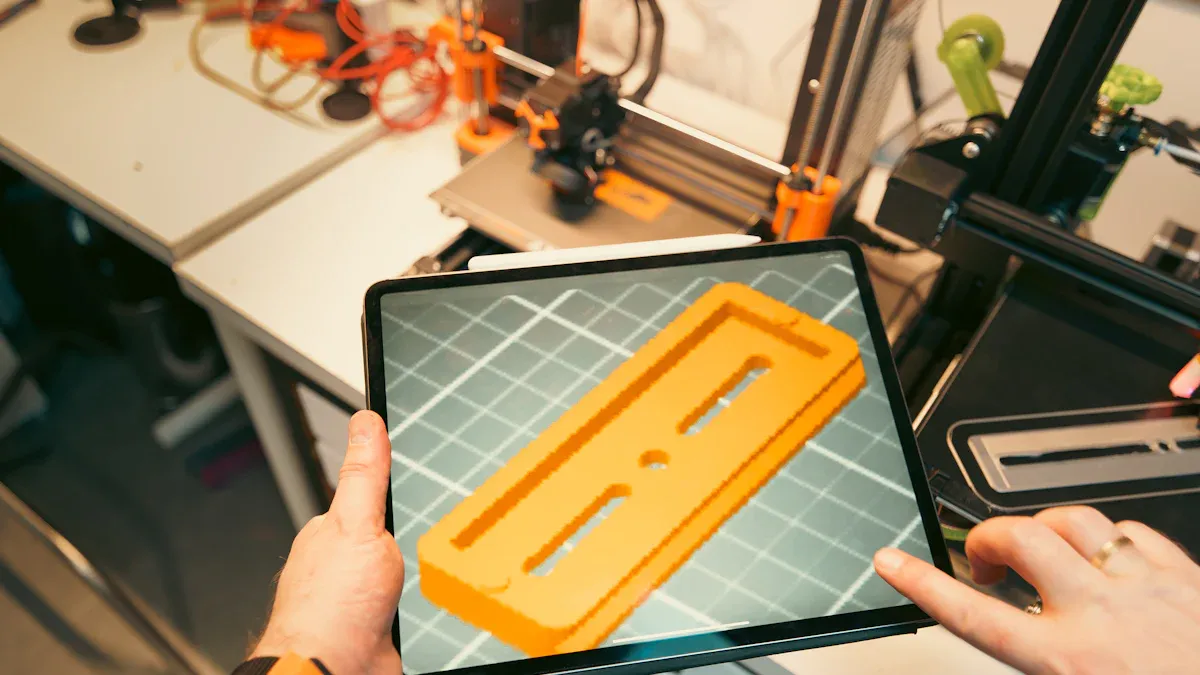
First, you make a master model. This model shows what your prototype will look like. You use it to make a silicone mold. The mold helps you create many copies. You pour liquid resin into the mold. Then, you put the mold in a vacuum chamber. The vacuum pulls out air bubbles. This makes the parts smooth and strong. After the resin hardens, you take out the part. You can use the mold again to make more copies.
Vacuum casting is different from other ways to make prototypes. The table below shows how it is not the same as 3D printing:
Process | Workflow Description |
|---|---|
Vacuum Casting | Needs a master model and silicone molds; makes many copies by casting. |
3D Printing | Makes parts straight from CAD models without molds. |
Vacuum casting can make parts with tricky shapes and undercuts. The silicone molds are flexible. This helps you make detailed designs. You get good results even with hard shapes.
Sometimes, air bubbles can form in the silicone mold. You can fix this by pouring slowly. You can also use compressed air or a vacuum chamber. Pressure helps push bubbles away from the mold surface.
Why Use Vacuum Casting for Prototypes
Vacuum casting is a good choice for prototypes because it has many benefits:
You get strong and detailed parts. The casting process makes high-quality results.
You can pick from many materials. This helps your prototype match the real product.
The process is quick. You get parts fast for testing.
Silicone molds are flexible. You can make shapes with undercuts and details.
To get the best parts, follow these tips:
Keep wall thickness between 0.75 mm and 1.5 mm for small and medium parts.
Bosses should be at least 1 mm tall and wide. Wall thickness should not be more than 60% of the main thickness.
Ribs should be less than 60% of the wall thickness.
Add draft angles of 1 to 2 degrees. This helps you remove parts easily.
Pick materials for flexibility, strength, and heat resistance.
Vacuum casting is a great way to make working prototypes. You get strong, detailed, and accurate parts for real tests.
Vacuum Casting Lead Time
Typical Lead Time for Prototypes
Vacuum casting lead time gives you a fast way to get working prototypes. You can expect most projects to finish in about 10 to 20 days. Some services may take up to 20 days, but many jobs finish sooner. If you need parts quickly, vacuum casting can help you meet tight deadlines.
You can see how vacuum casting compares to other methods:
Vacuum casting lead time often starts at nine days. This matches some polymer 3D printing technologies.
CNC machining usually needs more than 10 working days. You wait longer because of setup and tooling.
3D printing can deliver parts in 3 to 5 working days. This is the fastest option for simple shapes.
Tip: If you want to test your prototype soon, vacuum casting gives you a good balance between speed and quality.
Factors Affecting Lead Time
Many things can change how long you wait for your parts. You need to think about part complexity, volume, and finishing. Simple parts finish faster. Complex shapes or large sizes take more time. If you want a smooth finish or special colors, you may need extra days.
Here is a table that shows how part complexity affects output and time:
Part Complexity | Expected Output per Mold | Typical Lead Time |
|---|---|---|
Small, simple parts | 20–25 casts | 7–14 days |
Medium complexity | 15–20 casts | 7–14 days |
Large / intricate geometry | 10–15 casts | 7–14 days |
You also need to think about how many molds you need. More molds can speed up production, but each mold takes time to make. If you want a big batch, you may need extra molds and extra days.
Finishing steps like painting or polishing add time. If you want clear or colored parts, you may wait longer. You should plan for these steps when you set your project schedule.
Vacuum casting lead time gives you a faster way to get strong, detailed prototypes. You can test your ideas sooner and make changes before full production.
Strength and Materials
Mechanical Properties
You want your prototype to act like the real product. Vacuum casting helps you test how strong your parts are. You can check if parts bend, stretch, or break. These tests show if your part can handle force. Vacuum cast parts and injection molded parts act the same under stress. Both types break in the same places. You can trust casting to make parts like real ones.
Vacuum cast parts can break easier than injection molded parts. You should know this if your part needs to be very tough. Casting works well for most uses. Injection molding is better for parts that need extra strength.
Note: You can make big parts with vacuum casting. Some services let you make parts up to 2200 x 1200 x 1000 mm. You can also make parts with up to 10 liters volume. This helps you test large designs before making many.
Resin Types and Material Options
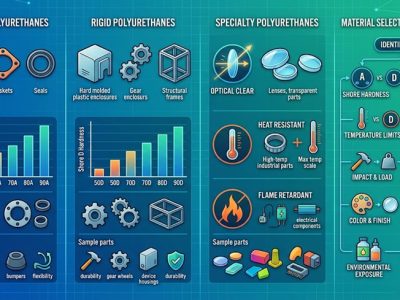
You can pick from many resins for vacuum casting. These resins copy the look and feel of real plastics. You can choose clear, tough, flexible, or heat-resistant materials. The table below shows popular resin types and their uses:
Resin Type | Key Features | Applications |
|---|---|---|
PMMA/Acrylic-like | High impact resistance, clear, heat resistant | Automobile windows, aquariums |
PP-like | Lightweight, durable, high heat resistance | Prototypes, complex parts |
ABS-like | Good toughness, rigidity, impact strength | Prototypes, hoses, gaskets |
PC-like | Durable, lightweight, excellent dimensional stability | High-quality products, complex shapes |
You can use special materials for parts that need extra strength or flexibility. The table below shows common choices:
Material | Properties | Applications |
|---|---|---|
Rubbers | Flexible, versatile, durable | Gaskets, seals, part replication |
Durable Polycarbonates | High strength, shock resistance, attractive appearance | Parts requiring durability and aesthetics |
Polypropylene | Affordable, durable, long-lasting | Utensils, toys, medical equipment |
Vacuum casting lets you match the feel of many plastics. You can make parts that look and feel like the final product. You can test your design with real materials.
You can make your parts better with post-processing. You can polish, sandblast, or brush the surface for a nicer look. You can use heat treatment to change strength or hardness. The table below shows common post-processing options:
Post-Processing Option | Description | Services | Applicable Materials |
|---|---|---|---|
Machined Surface | Economical finish left directly from CNC machining, visible tool marks remain. | CNC milling & turning | Metals, plastics |
Anodizing | Enhances corrosion and wear resistance; can be dyed, ideal for aluminum parts. | Type II & Type III anodizing | Aluminum |
Polishing | Achieves high gloss, reduces surface roughness, and improves metallic aesthetics. | Manual or mechanical polishing | Metals |
Sandblasting | Uses pressurized media to clean and texture the surface, creating an even matte effect. | Bead blasting / sandblasting | Metals, plastics |
Brushed Finish | Creates a unidirectional satin texture, reducing the visibility of scratches and marks. | Brushing | Metals, some plastics |
Powder Coating | Applies a thick, durable, wear-resistant layer with excellent color and texture options. | Electrostatic powder coating | Metals |
Electroplating | Bonds a thin metal layer to improve wear resistance, corrosion resistance, and surface conductivity. | Chrome, nickel, zinc plating, etc. | Metals |
Black Oxide | Conversion coating for ferrous metals that improves corrosion resistance and reduces light reflection. | Black oxide treatment | Steel, stainless steel |
Electropolishing | Electrochemical process to smooth and brighten the surface, enhancing corrosion resistance. | Electropolishing | Stainless steel, other metals |
Alodine | Chromate conversion coating providing corrosion protection and improved paint adhesion, mainly for aluminum. | Chromate coating (Alodine) | Aluminum |
Heat Treatment | Alters mechanical properties, increasing hardness, strength, or ductility. | Vacuum heat treatment, tempering | Metals (steel, aluminum, etc.) |
Tip: You can use casting to make parts with smooth surfaces or bright colors. You can also make parts that are strong, flexible, or heat-resistant.
Vacuum casting gives you many choices for materials and finishes. You can make a prototype that matches your final product. You can test your design and change it before making many.
Performance and Use Cases
Real-World Testing
Casting helps you make prototypes that act like real products. You can test these parts to see how they handle stress and heat. You can also check how they move. Casting lets you make up to 50 copies for small batches. You pick polyurethane materials with different strengths and flexibility. This helps you match your test needs. You can check color, finish, and texture. You can feel the soft grip and see the smooth surface. Your prototype looks and works like the final part.
Casting lets you do mechanical and thermal tests.
You pick materials for each casting to fit your project.
Casting gives results like real products, so you trust your tests.
You get parts with the right color and texture for real use.
Casting helps you find problems before you make many parts.
Tip: Casting lets you test your design in real life. You can see if it breaks, bends, or stays strong under pressure.
Common Applications and Industries
Casting helps many industries make better products. You see casting used in cars, medical devices, electronics, and more. Companies use casting to make car doors, medical housings, and phone cases. Casting helps you meet tight deadlines and budgets.
Here is a case study that shows how casting helps car makers:
Project | Front and rear car door sets (35 parts total) |
|---|---|
Issue | Needed first test parts in 8 days |
Solution | Used casting with several silicone tools |
Result | Met budget, timeline, and quality; casting matched injection molded parts |
You use casting when you need fast and high-quality results. Casting helps with product development, design changes, and market tests. You can make parts for fit checks, user trials, and safety tests. Casting lets you change your design before making lots of parts.
Automotive: Casting makes car parts for fit and function tests.
Medical: Casting helps test device housings and grips.
Electronics: Casting lets you check phone cases and remotes.
Consumer goods: Casting helps with product trials and feedback.
Casting gives you ways to test, learn, and improve your products. You get good results and save time.
You get lots of benefits when you use casting for prototypes.
Casting is fast, so you can test ideas soon.
You can use many materials and try new things.
Casting shows small details and makes smooth surfaces.
The process does not cost much for small groups of parts.
You can make tricky shapes and change designs easily.
Choose casting if you want quick parts, not many pieces, or good samples for testing. Casting helps you see if parts fit, work, or look right before making a lot.
FAQ
What is vacuum casting and how does it work?
You use vacuum casting to make copies of a master model. You pour liquid resin into a silicone mold. The vacuum removes air bubbles. This process gives you smooth, strong parts that match your design.
How many parts can you make with one casting mold?
You can make about 20 to 25 parts with one casting mold. The number depends on the size and shape of your parts. If you need more, you can create extra molds.
Can you use casting for prototypes that need to be strong?
You can use casting for prototypes that need strength. The process lets you choose materials that act like real plastics. You test your parts for bending, stretching, and breaking to see if they meet your needs.
Tip: Always pick the right resin for your casting project to get the best strength.
What materials can you use in casting?
You can use many materials in casting. You pick from clear, tough, flexible, or heat-resistant resins. Each type matches a different plastic, so your prototype looks and feels like the final product.
Is casting good for making parts with complex shapes?
Casting works well for complex shapes. Silicone molds are flexible, so you can make parts with undercuts and fine details. You get accurate results even for tricky designs.
Feature | Benefit |
|---|---|
Flexible molds | Complex shapes possible |
Smooth finish | High-quality surfaces |