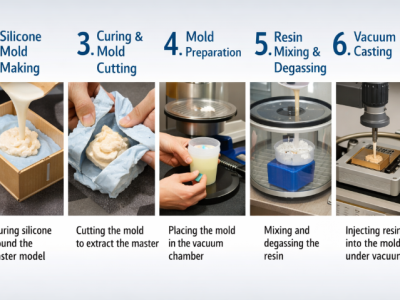
Estimated reading time: 22 分钟 You use the vacuum casting process to make exact parts from a master model. This method lets you change your design and use cheap tools. It is great for making prototypes and small batches. You get high-quality prototypes with smooth surfaces and tricky shapes. This happens because there are fewer air bubbles and you can use more materials. AdvantageDescriptionReduced Porosity and DefectsGets rid of air pockets so parts are stronger.Superior Surface FinishMakes smoother surfaces, so you do not need much extra work.Complex GeometriesLets you make detailed designs that other ways cannot do.Material VersatilityWorks with many…
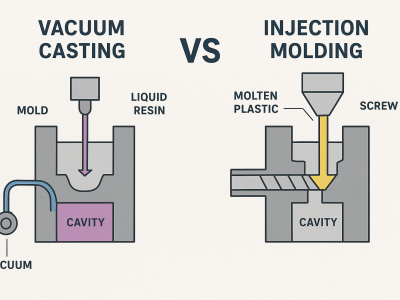
If you want to make a few parts or test ideas, vacuum casting is fast and costs less at the start. However, if you need to make many parts, injection molding is cheaper for each part and can produce millions. When considering your options, think about factors like price, the quality of the parts, how quickly you need them, the materials you want, and the complexity of the parts. Below is a comparison of Vacuum Casting vs Injection Molding: FactorVacuum CastingInjection MoldingTooling Cost$200–$1,000$10,000+Per-Part Cost$10–$100<$1 (at scale)Lead Time10–20 days4–12 weeksProduction Volume50 prototypes2 million unitsMaterial OptionsLimited resinsWide range of plastics This chart…
Want to convert your CAD design into a sample prototype or small-batch production? Upload your files and get a fast and accurate quote.