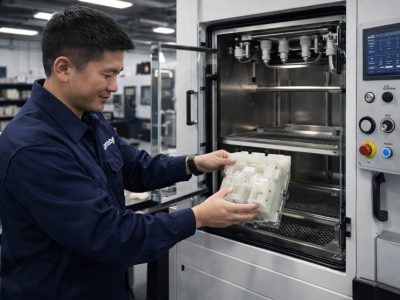
In the world of modern manufacturing, the silicone mold casting process has emerged as a powerhouse for creating high-quality prototypes. Also known as vacuum casting, silicone tooling casting bridges the gap between initial 3D printed models and full-scale injection molding. Whether you are looking for low-volume production runs or functional testing parts, understanding how this process works is essential for optimizing your product development cycle. The silicone mold casting process helps you make detailed copies of a master part. It uses a flexible silicone mold. You can use this process to make prototypes and finished products. Many industries use silicone…
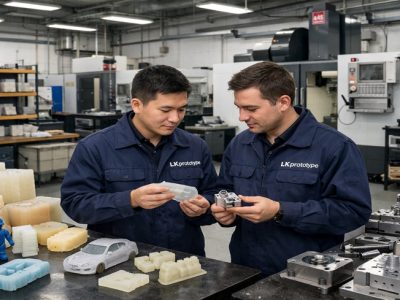
If you need a prototype fast and want to save money, a silicone mold is usually the best choice. Silicone molds cost between $500 and $20,000 at first. Injection molds, such as aluminum molds, cost more, but they last much longer. Silicone molds are good for making a few parts or for testing ideas quickly. However, they only last for about 20 to 25 uses before wearing out. In contrast, aluminum molds can make tens of thousands of parts. They are better for making large quantities at once. When you compare silicone mold vs aluminum mold, consider how many parts…
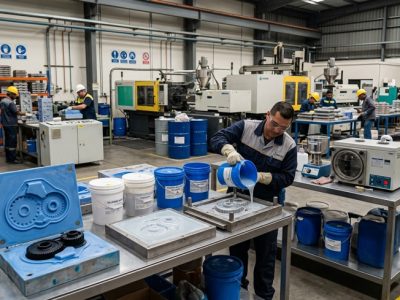
Silicone mold material helps you make and copy objects easily. Silicone is used in mold making because it shows small details and stays bendy. The main types are: Liquid Silicone Rubber (LSR) High Consistency Rubber (HCR) Room Temperature Vulcanizing (RTV) Silicone Each type has its own good points. Silicone costs less, works fast, and lets you change designs more than other molds. AdvantageExplanationCostSilicone molds need less money to start and cost less than injection molds.SpeedSilicone molds are made fast, sometimes in just a few days, so you can test ideas quickly.Design FlexibilitySilicone molds show tiny details, fit tricky shapes, and…

If you want to make a mold that shows every detail, you just need to pour RTV silicone over your original piece. Then let it cure. This material is flexible and strong. It stays tough even after many uses. Look at how RTV silicone compares to other materials: FeatureRTV SiliconeOther MaterialsFlexibilitySuperior elasticityLimited flexibilityDurabilityWithstands many usesWears out quicklyShrinkageLess than 0.1%Higher shrinkage People use RTV silicone mold making for car parts and crafts. You can try it with almost any casting material. Key Takeaways RTV silicone molds bend easily and last a long time. They are great for showing small details in…

You use silicone mold making to make prototypes that look like your designs. Silicone molds are very flexible and show small details better than most other ways. When you compare how accurate they are, you see their size stays the same. This is clear in the table below: Prototyping MethodDimensional StabilitySurface RoughnessDurability in Repeated Casting CyclesSLALow1–5 µmMediumSLSHigh1–3 µmHighFDMMedium10–25 µmLow You get the best results if you pick the right materials. You need to follow each step in the process. You should use methods that work well. Key Takeaways Silicone mold making helps you make prototypes fast. It lets you test…
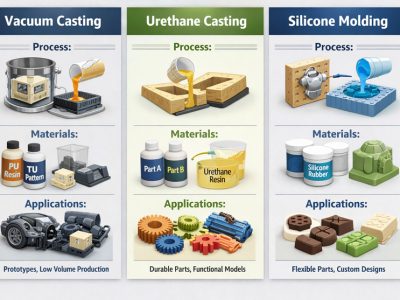
When you look at vacuum casting vs urethane casting, along with silicone molding, you have to make choices. These choices can change how fast you finish your product. Picking the right casting process can help you go from design to part faster. Mold design, material prep, and post-processing all change your schedule: FactorImpact on TimelineMold Design and CreationHard molds take more time to make and design.Material Selection and PreparationThe kind of metal and how you get it ready can change the timeline.Casting MethodEach casting method, including vacuum casting vs urethane casting, takes a different amount of time.Curing and Cooling TimeBigger…
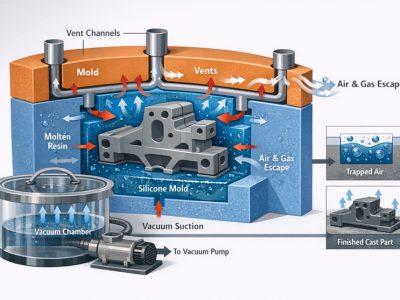
You can stop air bubbles and air traps in vacuum casting gate design by using simple steps that make mold setup and airflow better. These steps are: Mix the materials well so air does not get trapped. Use enough vacuuming to remove all the air. Make the mold with good gate placement and venting. Keep the casting temperature steady for smooth resin flow. If you follow these methods, you will have fewer air problems and get better results. For expert help, visit vacuum casting service. Key Takeaways Mix resin slowly and evenly. This helps stop air bubbles from forming when…
Want to convert your CAD design into a sample prototype or small-batch production? Upload your files and get a fast and accurate quote.