
Medical device prototyping involves creating early models of medical devices to test, refine, and perfect designs before mass production. By quickly identifying and resolving design flaws, prototyping ensures that the final product is safe, effective, and meets regulatory standards. In this article, we will explore the key stages and advanced techniques of medical device prototyping, offering insights for anyone involved in the development of innovative medical technologies. Key Takeaways Medical device prototyping is essential for transforming concepts into functional products, allowing for early design validation and risk reduction.The prototyping process involves key stages such as conceptualization, material selection, and iterative…

Before electronic devices enter mass production, innovators develop prototypes as initial models to examine and improve their concepts. This crucial stage allows for the testing and perfecting of design details. It helps to confirm functionality, reduce potential risks, and certify that product standards are met. By having the devices prototyped, it becomes possible to determine cost-efficiency and identify potential defects early. Consequently, this helps prevent higher expenses during manufacturing. We will delve into the fundamental phases of electronic prototyping in this article and provide valuable advice for efficiently advancing your projects. Key Takeaways Electronic prototyping validates design and functionality, minimizing…

Prototyping manufacturing helps you develop products efficiently. You create early test versions to spot and fix issues, saving time and money before mass production. This article explores best practices and techniques in prototyping manufacturing. Key Takeaways Prototyping manufacturing is essential for identifying design flaws early, reducing risks, and accelerating product development. The selection of the right prototyping method and materials significantly impacts the functionality, cost, speed of the product development process. Emerging trends, including advanced materials and automation, are enhancing prototyping efficiency and enabling the development of complex, high-quality prototypes. What is Prototypeing Manufacturing? Manufacturing prototypes involves the creation of…
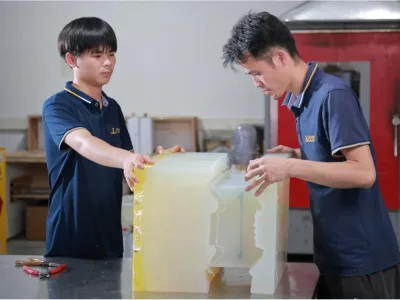
Curious about how silicone prototypes can enhance your product development? Silicone prototypes provide a quick and precise way to test and refine designs. This article covers the main techniques for creating silicone prototypes and their benefits, helping you make informed decisions for your projects. Key Takeaways Silicone rapid prototyping accelerates product development, significantly reducing time to market with over 95% accuracy. Key techniques such as LSR molding, compression molding, and RTV silicone casting each offer unique advantages for various prototype needs. Selecting the appropriate silicone grade is essential for performance and safety, with factors like budget, application environment, and durability…

Curious about how iPhone prototypes shape the final product? This article gives you an exclusive look at rare iPhone prototypes, revealing how Apple’s secretive testing processes influence the features and design of their iconic devices, including the iPhone prototype. Key Takeaways Apple’s iPhone prototypes have evolved significantly, reflecting a continuous pursuit of innovation that shapes the design and functionality of final products. The prototyping process involves meticulous stages of design, including the use of silicone molds and CNC technology, which ensure high precision and quality. Recent trends in iPhone prototyping include the use of advanced materials and the integration of…

Looking to bring your product idea to life? This guide on how to develop a product prototype breaks down the essential steps. From your initial concept to a refined, testable prototype, you’ll learn the process to create a tangible, user-ready product. Key Takeaways Prototyping helps visualize and test product ideas early, identifying potential flaws and saving time and money in development. User testing and feedback during the prototyping process are crucial for refining products to better meet user needs and expectations. Protect your intellectual property by using patents and non-disclosure agreements (NDAs) to secure your product ideas while collaborating with…
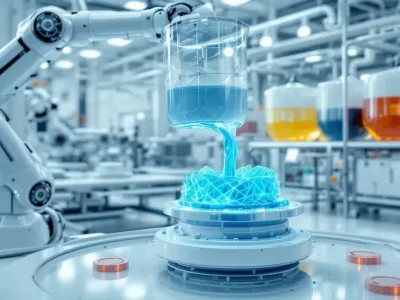
Looking to understand molding polyurethane? This essential process transforms liquid polyurethane into durable, precision parts. We’ll explore different techniques like open cast, compression, and injection molding to help you find the best method for your needs, whether it’s for intricate designs or cost-effective production. Key Takeaways Polyurethane molding employs various techniques, including open cast, compression, and injection molding, to create precise parts suitable for diverse industries such as automotive and medical. Mold preparation is critical, involving sealing agents and releasing agents to ensure successful molding and avoid adhesion issues, with the technique chosen based on part complexity. Polyurethane’s physical properties,…

Need to quickly convert your CAD designs into physical models? Rapid prototyping services offer a fast and reliable way to create prototypes for testing and validation. This article dives into the different technologies available, the materials you can use, and how these services can accelerate your product development. Key Takeaways Rapid prototyping is essential for quickly producing functional prototypes from CAD models, enabling early design testing and iterations. Key technologies in rapid prototyping, such as CNC machining, 3D printing, and injection molding, provide flexibility and efficiency for both low and high-volume productions. Selecting appropriate materials is crucial for prototype characteristics,…
Want to convert your CAD design into a sample prototype or small-batch production? Upload your files and get a fast and accurate quote.