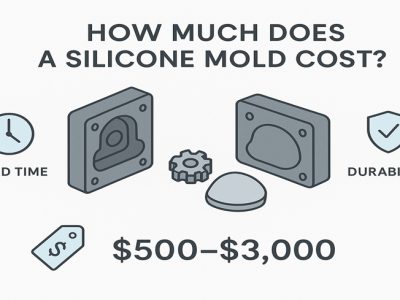
Introduction If you’re an engineer, product designer, or sourcing manager trying to validate a design or run a low-volume pilot, silicone tooling (often used for vacuum/urethane casting) can feel like the “fast middle ground” between one-off prototypes and full production tooling. This guide is written for US-based teams who need a realistic way to estimate: What a silicone mold cost typically looks like (in USD) How many parts you’ll actually get from one mold (yield) What lead time to expect When silicone tooling is the right call—and when aluminum tooling or 3D-printed molds make more sense How to use it:…
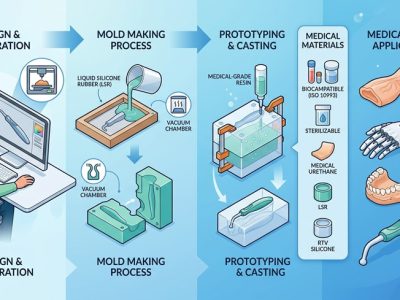
A silicone mold for medical devices helps you make products quickly. You use this method to build accurate prototypes and test new devices. Silicone is flexible and easy to shape. It shows small details well. Medical teams trust silicone because it is safe for people. Silicone molds give clear benefits: AdvantageDescriptionEnhanced DurabilitySilicone molds are strong and resist impacts. They help devices last longer and handle stress.Protection Against Environmental FactorsThey block moisture and chemicals. This keeps important parts safe.Cost EfficiencyThey cut down on labor and parts. This makes manufacturing easier and lowers costs.Compliance with Regulatory StandardsSilicone is safe for patients. This…
Want to convert your CAD design into a sample prototype or small-batch production? Upload your files and get a fast and accurate quote.