LKprototype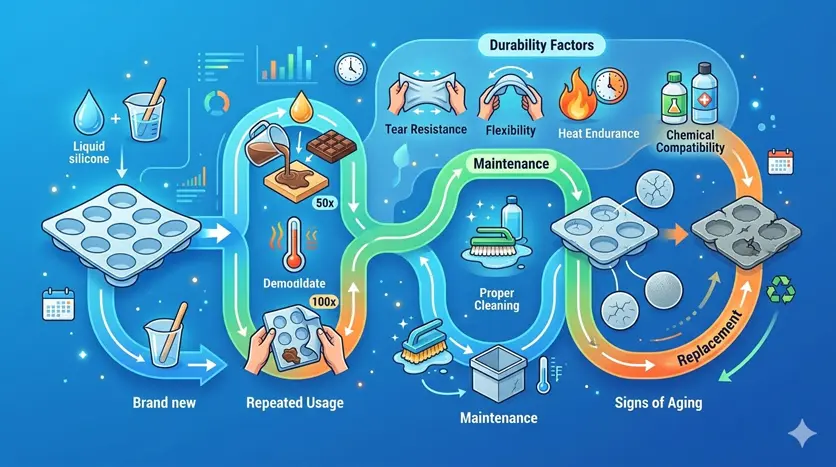
You might ask how long silicone mold life is when you use molds. People use molds for baking, crafts, or big projects. Most silicone molds last between 200 and 3,000 uses. Basic peroxide silicone molds last about 200 times. High-quality platinum silicone molds last over 3,000 times. The chart below shows how different silicone types affect mold life and strength:
Mould Range | Type of Silicone | Lifespan (Baking Cycles) | Recommended Usage |
|---|---|---|---|
Entry-level | Basic peroxide silicone | 200-500 cycles | Sometimes used at home |
Standard | Improved peroxide silicone | 500-800 cycles | Used often at home |
Upper Intermediate | Platinum silicone | 1,000 (hot) / 3,000+ (cold) | Used by serious hobby bakers |
Silmaé (Maé Innovation) | 100% Premium high-quality silicone | 3,000+ cycles | Used by professionals in factories |
If you take care of your molds and choose the right kind, you can see how long silicone mold life lasts in your work.
Key Takeaways
Silicone molds can last from 200 to 3,000 uses. The type of silicone affects how long they last. Pick high-quality molds if you want them to last longer.
Check your molds often for damage like cracks or stickiness. This helps you use them safely and keeps them working well.
Clean and store your molds the right way. Rinse them with warm water and use mild soap. Keep molds flat in a cool, dry place.
Do not let molds touch high heat or strong chemicals. This stops them from bending and helps them last longer.
Use a mold release agent when you take things out. This protects your molds and makes removal easier.
WHAT IS SILICONE MOLD LIFE AND WHY IT MATTERS
When you use silicone molds, you want them to last. Silicone mold life is how many times you can use a mold before it stops working well. This is important because it affects your results, your money, and your time. If you know how long your molds last, you can plan better and avoid problems.
Knowing about silicone mold life is important for people in many jobs. It affects how much work you can do, how much money you spend, and how good your products are. Taking care of your molds helps them last longer and keeps things running smoothly. It also means you won't have to fix or replace them as often.
HOW LONG DOES SILICONE LAST IN DIFFERENT APPLICATIONS
Silicone molds are used in many ways. You might use them for baking, making soap, casting resin, or in factories. How long a silicone mold lasts depends on what you use it for. Baking molds can last hundreds of times. Resin molds may wear out after 20 to 30 uses. The kind of silicone, the heat, and the materials you use all change how long your mold lasts. If you use sharp or rough materials, your mold wears out faster. Softer things like chocolate or soap help molds last longer.
SILICONE MOLD LIFE VS SILICONE MOLD DURABILITY
You may wonder what mold life and durability mean. Mold life is how many times you can use a mold before it breaks. Durability is how well the mold handles stress and keeps its shape. Here are some key points:
Silicone molds can make up to 25 good parts before they start to break down.
Durability is affected by chemicals, heat, and how much you use the mold.
Durability means the mold can handle use without wearing out, while lifespan is how many parts you can make before it fails.
After about 25 parts, molds might bend or tear, which makes parts less accurate.
You should always think about things like heat, material, and cleaning. These help you get the most use from your silicone molds.
SILICONE MOLD LIFESPAN: HOW LONG DO SILICONE MOLDS LAST
AVERAGE SILICONE MOLD LIFESPAN
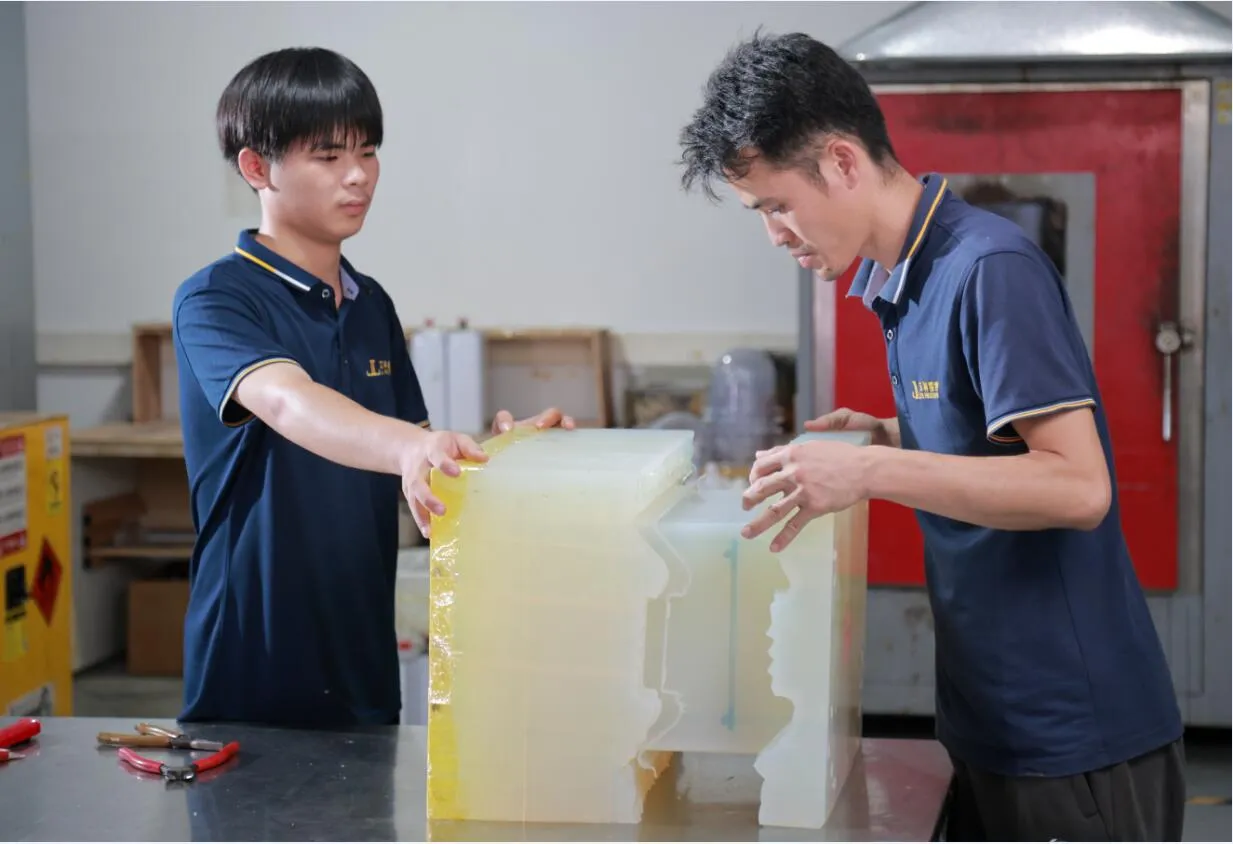
You want your silicone molds to last a long time. Most companies say you can use them for 2 to 3 years if you care for them. You should check your molds often for problems. Look for things like stickiness, tears, or weird smells after cleaning. These signs mean you need new molds. If you use your molds two times a week, they might last up to five years. Checking your molds often keeps your baking safe and your results the same.
"Silicone mats do not last forever. Even if you take good care of them, using them in hot and cold over and over makes them break down a little. After about two years of regular use, look at them closely." — Dr. Lena Patel, Materials Scientist & Kitchen Safety Consultant
HOW MANY TIMES CAN A SILICONE MOLD BE USED
You can use silicone molds many times before they wear out. Some molds last for hundreds of uses. Others can last for thousands. How long they last depends on how you use them and how well you care for them.
Most companies say molds last 2 to 3 years if you take care of them.
One study found silicone mats started to get weak after about 500 oven uses, which is like using them twice a week for five years.
Get new molds if you see stickiness, color changes, tears, or a strange smell after cleaning.
Check your molds often for damage to keep baking safe and working well.
TIN VS PLATINUM CURED SILICONE MOLD LIFE
You might wonder about tin-cured and platinum-cured silicone molds. Tin-cured molds usually last about five years. Platinum-cured molds can last much longer, sometimes your whole life. The table below shows the difference:
Silicone Type | Lifespan |
|---|---|
Tin-Cured Silicone | About 5 years |
Platinum-Cured Silicone | Can last a lifetime |
HOME USE VS PROFESSIONAL SILICONE MOLD DURABILITY
If you use silicone molds at home, you may not need them to be as strong as professionals do. People who bake at home use molds less often. Professional kitchens use molds every day. Using molds a lot can make them wear out faster. Pick the right mold for what you need. Good molds last longer and work better. Always clean and store your molds the right way to help them last longer.
FACTORS AFFECTING SILICONE MOLD LIFE AND DURABILITY
FREQUENCY OF USE AND PRODUCTION VOLUME
How much you use your silicone molds changes their lifespan. Using molds every day in a busy place wears them out faster. Heating and cooling over and over puts stress on the molds. You should clean and check your molds often to keep them working well. If you use molds less at home, they last longer.
Using molds a lot makes them wear out faster.
Cleaning and checking molds helps them last longer.
Molds in busy places need to stay strong so work does not slow down.
MATERIALS USED IN MOLDING PROCESS (RESIN, FOOD, CHEMICALS)
What you put in your molds matters a lot. Silicone molds can be used with food, resin, or soap. Always check if your materials are safe for silicone before using them. Some chemicals or resins can break down silicone faster. Using gentle things like chocolate or soap helps molds last longer. For resin or chemicals, pick molds that can handle heat and chemicals.
Tip: Always follow the instructions for your molding material. Do not use strong chemicals or harsh cleaners that can harm your molds.
SILICONE QUALITY AND GRADE (RTV VS HIGH PERFORMANCE SILICONE)
Not all silicone is the same. High-quality silicone, like platinum-cured, lasts longer and handles heat better. Lower-grade silicone can tear or lose shape faster. The table below shows how different silicone types compare:
Type | Detail Accuracy | Durability | Heat Resistance | Best Application |
|---|---|---|---|---|
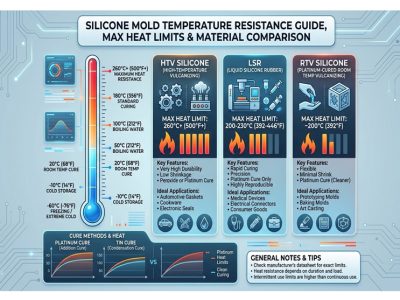
Condensation-Curing | Good | Fair | Up to 350°F | Beginner projects, short-term |
Platinum-Curing | Excellent | Excellent | Up to 400°F | Medical models, jewelry, effects |
If you want your molds to last, pick high-performance silicone that can handle heat.
CARE, MAINTENANCE AND CLEANING METHODS
How you take care of your molds is important. Clean your molds after you use them and let them dry. Store them flat and away from sunlight or cold. Do not use strong cleaners or put molds in the dishwasher. Cleaning often helps you find damage early and keeps molds working well.
Clean molds after each use.
Store molds in a cool, dry place.
Do not turn molds inside out or use harsh cleaners.
TEMPERATURE AND ENVIRONMENTAL EXPOSURE
Where you keep and use your molds affects how long they last. High heat can make silicone hard and less bendy. Humidity can make the surface break down. Sunlight can also damage molds over time. Store molds in a cool, dry place to protect them.
Environmental Factor | Effect on Silicone Mold Life |
|---|---|
High Temperature | Makes silicone harder and less stretchy |
High Humidity | Speeds up surface damage and loss of flexibility |
UV Radiation | Breaks down surface and weakens the mold |
If you control the environment, your molds will last longer.
SILICONE MOLD LIFESPAN BY APPLICATION
SILICONE MOLD LIFE FOR BAKING AND FOOD USE
Silicone molds are used for baking because they bend easily and clean up fast. These molds can last from half a year to many years. How long they last depends on how much you use them, how you wash them, and what kind of silicone they are made from. Platinum-cure silicone molds last longer than tin-cure molds. If you store them right and clean them gently, you can use food-safe molds hundreds or thousands of times.
Application | Typical Lifespan |
|---|---|
Food & Beverage | 200–1000+ uses |
Do not scrub your molds hard or use strong cleaners. Keep your molds away from sunlight and heat. These steps help your molds last longer and show real-life examples of silicone lifespan.
SILICONE MOLD DURABILITY FOR RESIN CASTING AND VACUUM CASTING
People use silicone molds for resin casting to get tiny details. You can use these molds many times, but how long they last depends on the size and texture of your project. Most people say molds last for 30 to 50 parts before they start to wear out.
Durability | Factors Affecting Durability |
|---|---|
30 - 50 parts | Surface textures, features, size, roughness |
Always take your parts out gently and clean your molds after each use. This helps you see how long silicone molds last and keeps your projects looking good.
SILICONE MOLD LIFE FOR SOAP AND CANDLE MAKING
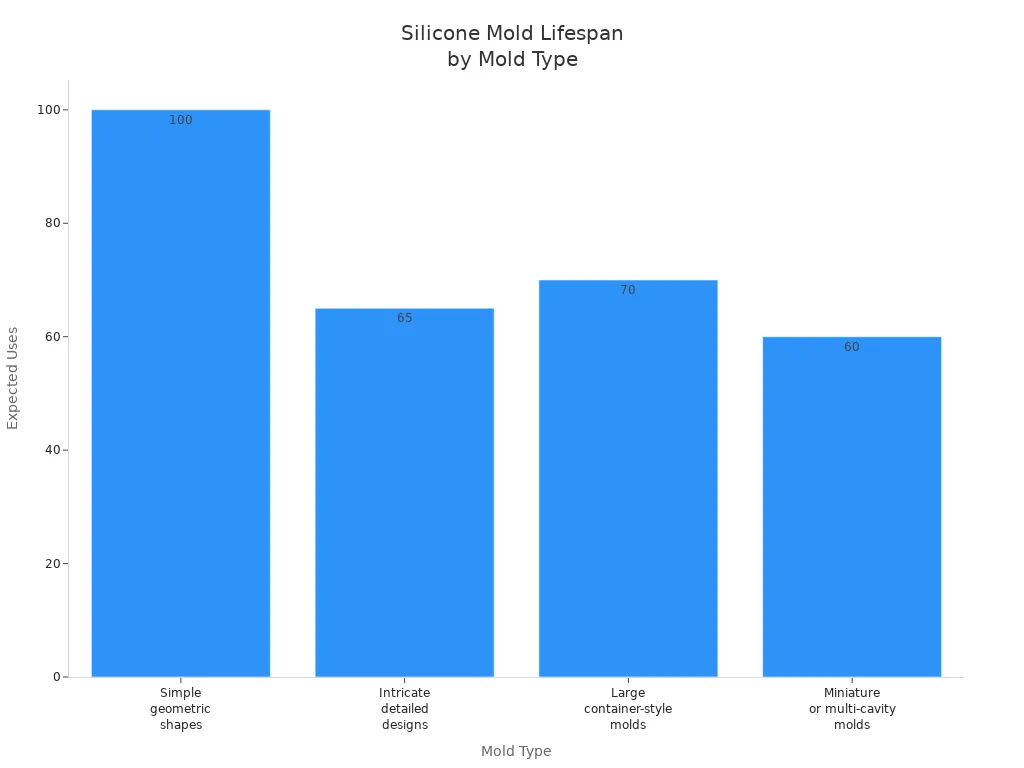
Silicone molds work well for soap and candle making because they are safe for food and can handle heat. How long they last depends on the shape and detail of the mold. Simple shapes can be used more than 100 times. Fancy designs last about 50 to 80 times. Big molds and tiny molds need special care.
Mold Feature | Best For | Lifespan (Uses) | Care Tips |
|---|---|---|---|
Simple geometric shapes | Beginners, bulk | 100+ | Wipe clean; store flat |
Intricate detailed designs | Artisan, gifts | 50–80 | Demold gently; use heat gun |
Large container-style molds | Centerpieces | 70+ | Avoid thermal shock; cool slowly |
Miniature or multi-cavity | Sets, crafts | 60+ | Use soft brush for cleaning |
Clean your molds gently and store them the right way to help them last longer.
INDUSTRIAL AND PROTOTYPING SILICONE MOLD APPLICATIONS
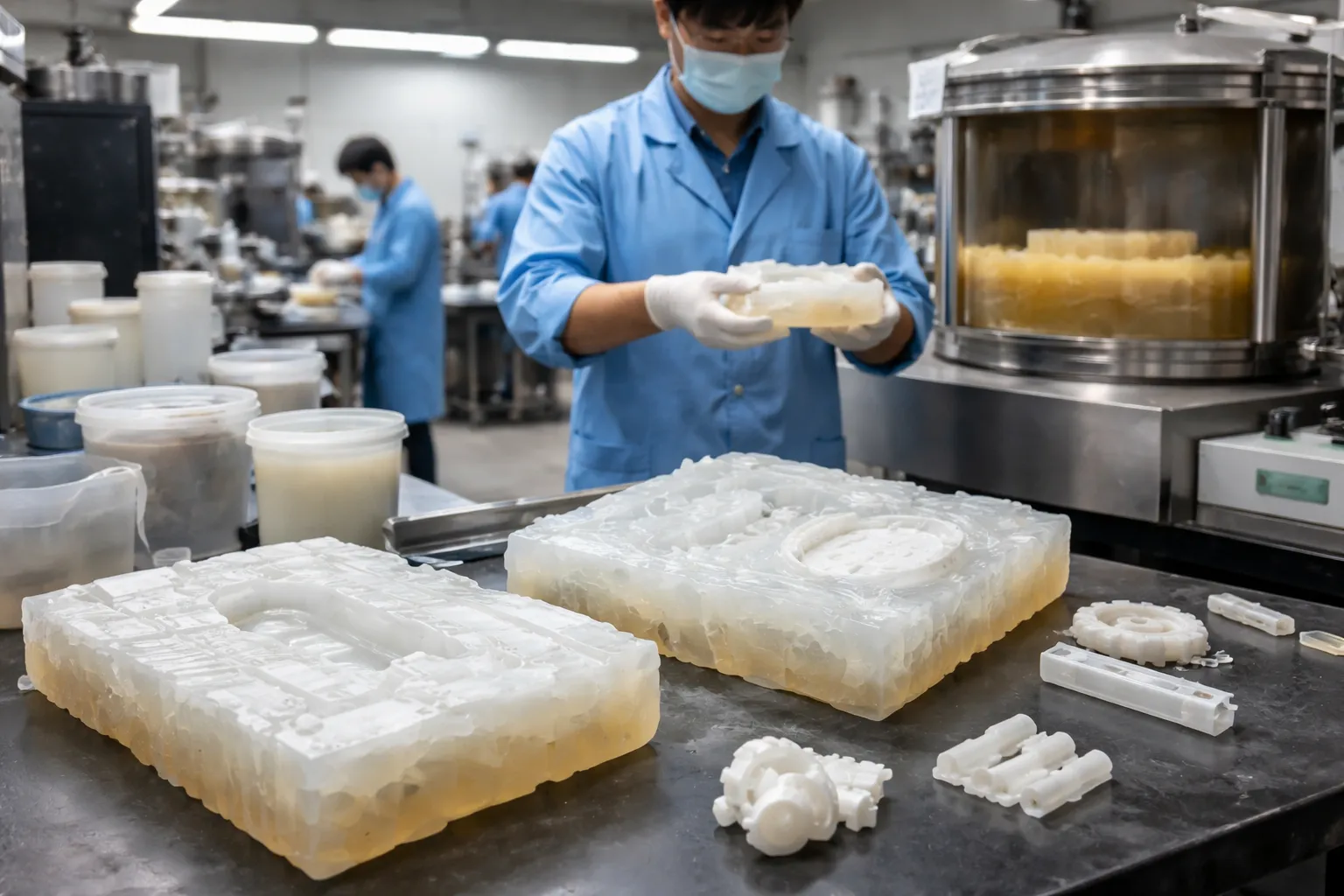
Factories and labs use silicone molds to make parts fast. These molds usually last for 15 to 30 castings before they lose quality. Check your molds often and get new ones if you see cracks or missing details. This keeps your work safe and your results correct.
Tip: Always use food-safe silicone for anything that touches food. For other projects, pick the right silicone grade for your needs.
SIGNS A SILICONE MOLD NEEDS REPLACING
When you use silicone molds often, you need to know when to replace them. Old or damaged molds can affect your results and even your safety. Here are the main signs silicone has reached end of life.
CRACKS, TEARS AND STRUCTURAL DAMAGE
You should check your molds for cracks, tears, or missing pieces. These problems show that the silicone is breaking down. Damaged molds can trap bacteria, which is not safe for food or crafts. Small pieces of silicone may break off and get into your products. You need to inspect your molds often for thin spots or peeling. If you see these issues, it is time to get a new mold.
Cracks and tears let moisture in and cause more damage.
Missing pieces mean the mold cannot hold its shape.
Mold and mildew can grow if the surface is broken.
WARPING OR DEFORMATION UNDER HEAT
If your mold changes shape when you use it, this is a warning sign. Warping or bending can make your projects look wrong or fail. High heat can cause silicone to lose its form. You should always use molds made for the right temperature. If you notice your mold does not fit right or looks bent, replace it. Regular checks help you spot these problems early.
Tip: Always follow the temperature guidelines from the manufacturer to avoid warping.
LOSS OF NON-STICK SURFACE PERFORMANCE
A good silicone mold lets you remove your project easily. When the non-stick surface wears out, your items may stick or break. This is one of the clear signs silicone has reached end of life. You may notice that cleaning becomes harder or that food and resin do not come out smoothly. Keeping your molds clean and dry helps, but once the surface is gone, you need a new mold.
Sticking or tearing when removing items
Surface feels rough or sticky after washing
More time needed to clean the mold
DISCOLORATION, ODOR OR MATERIAL DEGRADATION
You should look for changes in color, strange smells, or soft spots. Discoloration often happens from sunlight or strong chemicals. Odors can stay in the silicone, making it less safe for food. If you see mold growth or peeling, the mold has lost its waterproof seal. These are all signs silicone has reached end of life. Old molds may also become stiff and crack more easily.
Problem | What It Means |
|---|---|
Discoloration | UV or chemical damage |
Odor | Absorbed smells, not safe for food |
Peeling | Loss of waterproof seal |
Mold growth | Lost ability to keep out moisture |
You should replace your silicone molds every five years, even if you do not see damage. This keeps your projects safe and high quality.
HOW TO EXTEND SILICONE MOLD LIFE AND DURABILITY
CLEANING TIPS TO EXTEND SILICONE MOLD LIFE
You can help your silicone molds last longer by cleaning them the right way. First, rinse your mold with warm water after you use it. This stops things from sticking to the mold. Next, wash the mold with mild soap and a soft sponge or cloth. Do not use rough scrubbers because they can scratch the mold. Always rinse your mold well and let it dry in the air before you put it away. Be gentle when you handle your molds so they do not stretch or tear. Cleaning your molds right away and using soft tools are both important for keeping them in good shape.
Steps for effective cleaning:
Rinse your mold with warm water after each use.
Wash with mild soap and a soft sponge.
Rinse again and let the mold air-dry fully.
STORAGE BEST PRACTICES FOR SILICONE MOLDS
Storing your molds the right way keeps them safe. Put your molds flat with the detailed side facing up. Do not stack heavy things on top because this can bend or mark the mold. Keep each mold apart, or use parchment paper between them so they do not stick together. Store your molds in a cool, dry cabinet away from sunlight and heat. This helps stop damage from UV rays and high temperatures.
Storage Method | Why It Matters |
|---|---|
Store Flat | Prevents warping and keeps details sharp |
Don’t Stack Heavy Items | Avoids pressure that can deform the mold |
Keep Molds Separate | Stops molds from bonding or sticking together |
Avoid Sunlight & Heat | Protects from UV and heat damage; keeps silicone flexible |
PROPER USAGE METHODS AND TEMPERATURE CONTROL
Using your molds the right way helps them last longer. Always follow the temperature limits from the manufacturer. Keeping the temperature steady stops cracks or bends. Try not to heat or cool your molds too quickly. Slow changes in temperature help keep your molds strong. If you use a mold release agent, it makes taking out your project easier and helps the mold last longer. Good temperature control means fewer repairs and better results.
Tip: Keep your workspace clean and wear gloves for safety. A flat surface helps your molds cure evenly.
COMMON MISTAKES THAT REDUCE SILICONE MOLD LIFESPAN
Some mistakes can make your molds break faster. Using the wrong silicone for your project can cause problems. Putting molds in strong resins or high heat can hurt them. Skipping post-curing or mixing wrong can make the mold weak. Not using a mold release agent or taking items out too soon can also make mold life shorter. Always match your silicone to your casting material and follow all care instructions.
Using the wrong silicone type for your material
Exposing molds to too much heat or harsh chemicals
Skipping post-curing steps
Not using release agents when needed
Demolding before the project is ready
If you follow these tips and avoid mistakes, your silicone molds will last longer and work better every time.
FAQ
HOW LONG DO SILICONE MOLDS LAST IN RESIN CASTING
You can expect silicone molds for resin casting to last between 20 and 50 uses. The number depends on the type of resin, the detail in your mold, and how you handle the mold. Softer resins and gentle demolding help your mold last longer. If you use strong chemicals or pull parts out roughly, your mold will wear out faster.
Tip: Always use a mold release spray. This helps you remove your resin pieces easily and protects your mold from tearing.
WHAT IS THE AVERAGE SILICONE MOLD LIFESPAN
Most silicone molds last from 2 to 5 years with regular use and good care. Some high-quality molds can last even longer. You should check your molds often for cracks, tears, or sticky spots. If you see these problems, it is time to get a new mold.
Mold Quality | Average Lifespan |
|---|---|
Basic Silicone | 1–2 years |
High-Quality Silicone | 3–5 years or longer |
HOW MANY TIMES CAN YOU REUSE A SILICONE MOLD
You can reuse a silicone mold many times. For baking, you might get 200 to 1,000 uses. For crafts like soap or candles, you can expect 50 to 100 uses. Resin molds usually last 20 to 50 uses. The number depends on how you use and clean your mold.
Baking: 200–1,000 uses
Soap/Candle: 50–100 uses
Resin: 20–50 uses
DOES HIGH TEMPERATURE REDUCE SILICONE MOLD LIFE
High temperatures can make your silicone molds wear out faster. If you use your molds above their recommended heat limit, they can warp, crack, or lose their non-stick surface. Always check the temperature guidelines from the manufacturer. Keeping your molds at safe temperatures helps them last longer.
Note: Most silicone molds can handle up to 400°F (204°C). Do not go above this unless your mold says it is safe.
You can make your silicone molds last for years with the right care. Most molds give you hundreds of uses when you follow smart habits. Check out these key steps:
Step | Best Practice |
|---|---|
Clean | Warm water, mild soap, soft sponge |
Dry | Air-dry flat, avoid high heat |
Store | Cool, dark place, keep flat |
Use | Stay within safe temperature limits |
Demold | Use release agent, be gentle |
Stick to these tips. You will get the best results and enjoy your molds for a long time! 😊